 Pressmediaofindia
Related Articles



New Delhi, Oct 11 – In a significant diplomatic development, India on Friday announced the upgrading of its Technical Mission in Kabul to a full-fledged Embassy, marking a turning point in its engagement with Afghanistan’s Taliban-led administration.
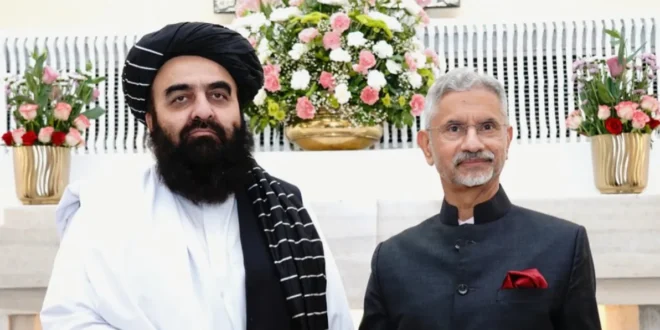
The announcement was made by External Affairs Minister Dr. S. Jaishankar during a high-level meeting with Afghanistan’s Acting Foreign Minister Amir Khan Muttaqi, who is on a landmark visit to India—the first by a senior Taliban official since the group seized power in August 2021.
“India is fully committed to the sovereignty, territorial integrity and independence of Afghanistan,” said Jaishankar. “This upgrade reflects our intent to deepen cooperation for Afghanistan’s national development and regional stability.”
Diplomatic Reboot Amid Security Concerns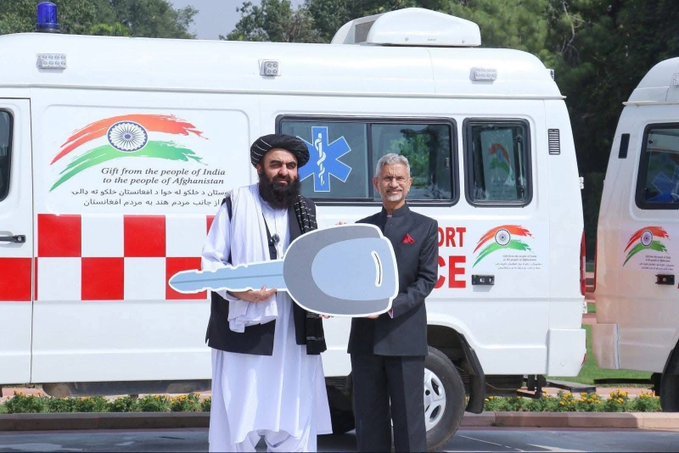
Muttaqi’s visit, cleared under a special UN travel ban exemption, signals a strategic recalibration of India’s Afghanistan policy. While New Delhi has yet to formally recognize the Taliban regime, the visit indicates growing backchannel and now overt diplomatic exchanges.
Initial contact began in late 2024 when Indian diplomat J.P. Singh held talks in Kabul. This was followed by a meeting between Foreign Secretary Vikram Misri and Muttaqi in Dubai earlier this year, and regular communication after key events such as the Pahalgam terror attack in April and a devastating earthquake in Afghanistan in August.
During the meeting, India appreciated Afghanistan’s strong condemnation of the Pahalgam attack, and reiterated its concerns over terrorism originating from Afghan territory. Muttaqi, in turn, reaffirmed Kabul’s commitment that Afghan soil will not be used to threaten other nations.
Tensions with Pakistan Add to Regional Complexity
The visit comes amid increasing hostilities between Pakistan and Afghanistan, with Islamabad accusing Kabul of sheltering Tehrik-e-Taliban Pakistan (TTP) militants responsible for deadly attacks on its forces. In August alone, Pakistan witnessed over 140 terrorist incidents, according to Islamabad-based think tanks.
The situation worsened after a Pakistani airstrike on Afghanistan’s Paktika province, which reportedly killed 46 people. Kabul has denied harboring the TTP, but the episode has strained ties.
Observers see India’s outreach to the Taliban as a move to counterbalance Pakistan’s influence in the region and assert India’s independent foreign policy amid shifting geopolitical alignments.
India’s Development Footprint Expands
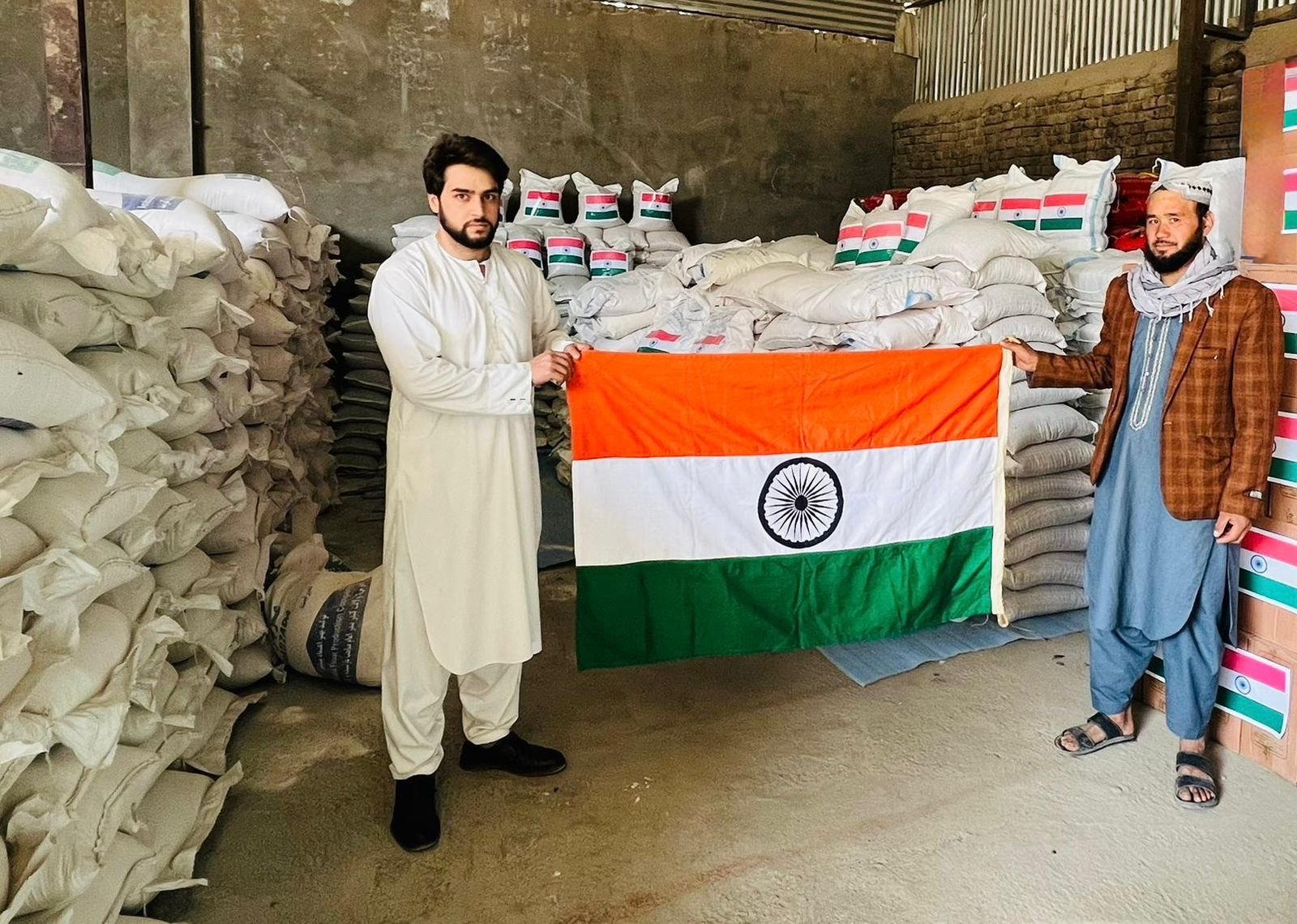
India has long maintained a deep developmental and cultural relationship with Afghanistan, having invested over $3 billion in more than 500 projects across sectors such as infrastructure, health, power, and education.
During Muttaqi’s visit, India announced:
-
Six new development projects
-
Donation of 20 ambulances, MRI/CT machines, and medicines
-
Plans to complete stalled infrastructure projects and maintain existing ones
-
Support for Afghan refugees forcibly repatriated by Pakistan, including construction of homes and aid for livelihoods
-
Collaboration on water resource management
Jaishankar also highlighted India’s readiness to support Afghanistan in healthcare and capacity-building, including the expansion of medical cooperation through new clinics and diagnostic centres.
Soft Diplomacy: Education and Cricket
As part of its people-to-people outreach, India has committed to:
-
Increasing student, business, and medical visas for Afghan nationals
-
Expanding higher education opportunities in Indian universities
-
Continuing support for the Afghan national cricket team
“The ties between our peoples are built on mutual respect, history, and shared aspirations,” Jaishankar noted. “India will continue to support the people of Afghanistan in this challenging time.”
A Delicate but Decisive Step
While India remains cautious in extending formal recognition to the Taliban administration, Muttaqi’s visit and the decision to upgrade the diplomatic mission signal a new phase in bilateral ties.
As geopolitical dynamics evolve in the region, India appears committed to pursuing a balanced approach—focusing on regional security, humanitarian support, and long-term stability in Afghanistan.(pressmediaofindia.com