 Pressmediaofindia
Related Articles


28-06-2026
By SJA Jafri + Agencies
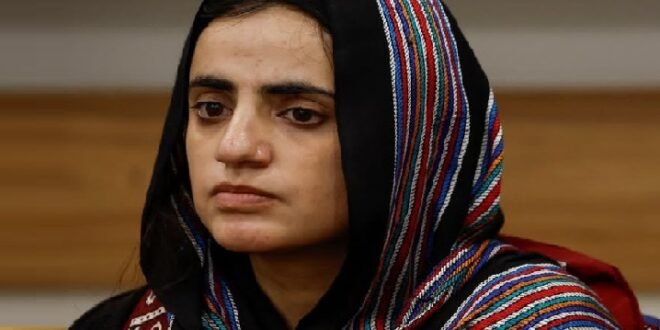
QUETTA/ KARACHI: When Dr Mahrang Baloch was a teenager, she joined hundreds of families across Pakistan’s south-western province of Balochistan to search for her father, who was allegedly arrested by security forces and later killed.
 Years on, the doctor-turned-activist became one of the most recognizable faces of a movement demanding answers about enforced disappearances in the province.
Now, she faces life behind bars.
A Pakistani anti-terrorism court sentenced Mahrang and fellow activist Sibghatullah Shah to life imprisonment yesterday after convicting them of terrorism, sedition and murder in connection with the death of a paramilitary soldier during a protest in the town of Gwadar in 2024.
The pair deny the charges and are expected to appeal.
Speaking to media after the ruling, Mahrang’s sister Nadia Baloch said the family remained defiant.
“We will challenge this decision in the higher courts,” said Nadia, who is also part of her sister’s legal team.
Asked whether she had visited her sister in prison, Nadia paused.
“I don’t have the courage to see her,” she said, because she feels she has failed her by not getting Mahrang justice.
For Mahrang, 33, the issue of enforced disappearances is not merely political. It is deeply personal.
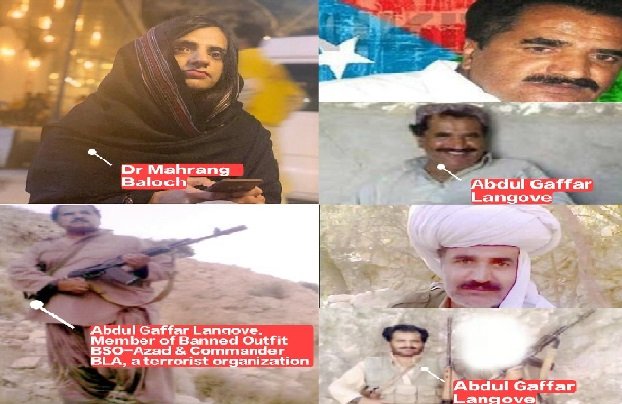
Her father, Abdul Ghaffar Langove, who was also a political activist, disappeared in 2009, when she was 16.
Nearly three years later Mahrang’s family received a phone call informing them that his body had been found in Lasbela district, in the south of the province.
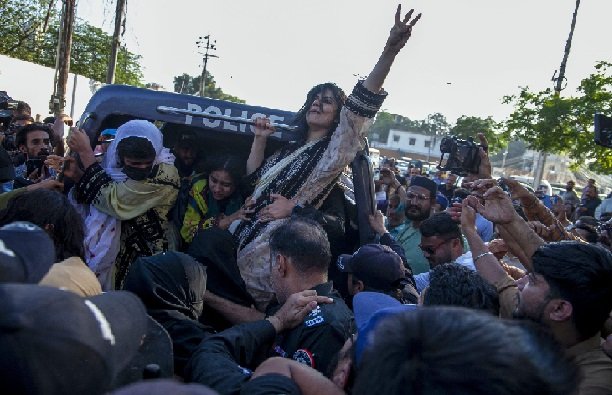 “When my father’s body arrived, he was wearing the same clothes, now torn. He had been badly tortured,” she told mediain her last interview before her arrest in 2025.
The circumstances of her father’s death would shape much of her life.
In the following years, Mahrang became involved in campaigns demanding information about missing persons in Balochistan. Activists and rights groups say thousands of ethnic Baloch people have disappeared over the past two decades, alleging many were detained by security forces without due process or abducted, tortured and killed as part of operations against a long-running separatist insurgency.
The Pakistan government denies the allegations, insisting that many of the missing have joined separatist groups or fled the country.
Some come back after years, traumatized and broken but many never return. Others are found in unmarked graves that have appeared across Balochistan, their bodies so disfigured they cannot be identified.
And then there are the women across generations whose lives are defined by waiting. Their grief and the search for their relatives, became a central focus of Mahrang’s activism.
Nominated for the Nobel Peace Prize last year, she has become one of the movement’s most prominent leaders over the past decade.
Balochistan’s struggle
In 2025, media documented the stories of Baloch women who had spent years searching for missing fathers, husbands, brothers and sons. Some travelled from morgue to morgue, hoping to find answers. Others described the anguish of identifying bodies recovered from remote areas.
Balochistan is the largest of Pakistan’s provinces, covering about 44% of its national territory. The land is rich with gas, coal; copper and gold but Balochistan has been locked out of progress.