 Pressmediaofindia
Related Articles



30-05-2026
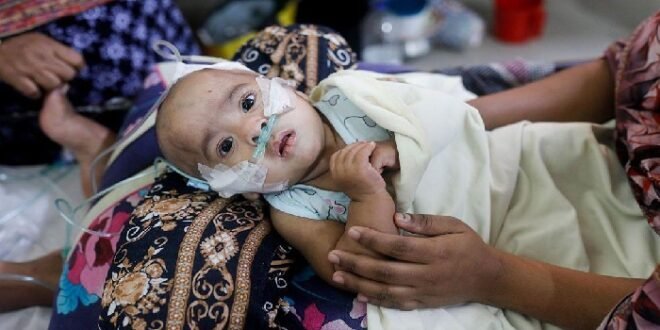
DHAKA: Akira was always a fast learner, her father Al Amin says with pride.
At 6 months she was already saying her first words. At just over 4 years old, she had started to say some words in English.
 He stops, his voice catching.
“She was never short of love from both families. She was the crown of all.”
Al Amin, who lives with his family in the Bangladeshi capital of Dhaka, says his daughter had all her vaccines, apart from measles.
They took her four times to get it; twice she was turned away because she had a cold. “Don’t stress,” he says the health care worker told them; “the vaccine can be administered up until she reaches 5.” The third and fourth time, he says, they were told the vaccine was unavailable.
On 8 March Al Amin took Akira to hospital, suffering with what he thought was a normal fever. She improved, went home and then started developing a rash, a high fever and sores in her mouth. She was discharged and readmitted to hospital a total of five times, Al Amin says; only on the fifth occasion did a doctor tell him she was suffering from measles.
Akira was put on life support. She died 27 days after she was first admitted.
Over 500 children with suspected and confirmed cases of measles have died in Bangladesh since March, according to the country’s health ministry.
The health minister said last week that doctors and nurses treating those with the virus have had their Eid holiday leave cancelled and the government has been running a mass vaccination campaign to slow the spread and save lives.
 Al Amin says he and his wife still torture themselves, thinking that their daughter may have picked up the virus in the hospital.
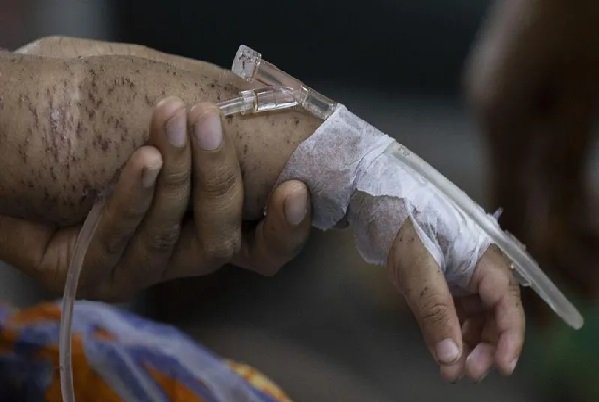
“From the ticket counter line to the x-ray room, there was a measles patient everywhere,” he says.
He is angry; that his child couldn’t get a vaccine, that her symptoms were missed, that he feels the hospitals failed to keep patients with measles apart from others.
In just over two months, the number of suspected cases of measles have reached over 60,000 in Bangladesh, according to the health ministry. The exact number has not been confirmed, as many are waiting for results from the laboratory.
Highly contagious, measles spreads quickly through coughs and sneezes and is particularly dangerous for unvaccinated young children under the age of 5.
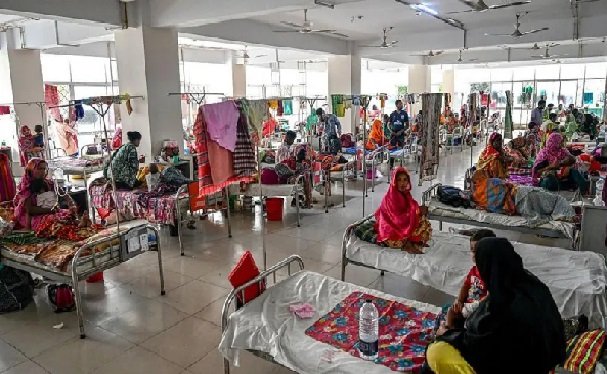
There are multiple reports of parents struggling to find space for their sick children in Bangladesh’s hospitals.
UNICEF told media that during field visits the hospitals they went to were overwhelmed. They say that their staff are helping to isolate and triage children arriving at hospitals where such measures are lacking.
Where local health clinics can’t help, many people are travelling to the cities, hoping the hospitals there will be able to.
“Poor people do not usually come to government hospitals until the last moment, as they have to buy medicine and tests,” Dr Mushtaq Husain, former Principal Scientific Officer at the Institute of Epidemiology Disease Control and Research says.
If healthcare were better resourced at a local level, he adds, fewer would need emergency hospitalization.
“It feels like a bit of a perfect storm,” Rana Flowers, Bangladesh country head for UNICEF said during a press conference.
Flowers explained that the agency had identified several factors which increased the risk of infection, including pockets of cases since 2023 where children were missing out on routine vaccination, high population density in certain areas especially Dhaka or Cox’s Bazar and big population movements for holidays. (Int’l News Desk)