 Pressmediaofindia

Related Articles


14-05-2026
By SJA Jafri
KARACHI: Farhat Qureshi had been cooking most of her life without watching the clock. Now, at 60, her mornings begin with one question; how much can she finish before the gas in her kitchen disappears once again?
 The cooking gas at her Karachi home comes in short windows in the morning, afternoon and evening. If she misses a window, the cooking is delayed, food is reheated, plans are changed, and the kitchen waits.
“I don’t think I have ever seen this happening in my whole life,” Qureshi told media. “My whole morning revolves around gas.”
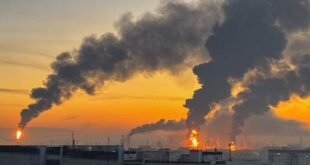
Pakistan’s energy crisis has intensified since the United States and Israel attacked Iran on February 28, turning a recent surplus of liquefied natural gas (LNG) into a looming shortage. Pakistan’s LNG imports had already fallen from 8.2 million tons in 2021 to 6.1 million tons by late 2025.
The US-Israel war on Iran put further pressure on a system already strained by years of declining domestic production. Pakistan meets most of its daily gas needs from domestic gas-fields, which have been in slow decline for years. Imported LNG, supplied mainly under long-term contracts, fills part of that gap when shipments flow normally. Almost all of Pakistan’s LNG comes from Qatar and the United Arab Emirates, and imported LNG powers roughly a quarter of the country’s electricity.
With the onset of the war, LNG shipments dropped drastically. Monthly cargo data from Pakistan’s Oil and Gas Regulatory Authority (OGRA) shows that the country received between eight and 12 LNG shipments a month in 2025 and early 2026. In March, only two shipments arrived. Over the weekend, however, a Qatari LNG tanker crossed the Strait of Hormuz on its way to Pakistan, the first such transit since the start of the war.
Pakistani households are experiencing the energy crisis differently; through the unpaid labor of women who wake up earlier, cook more quickly, rearrange meals, delay rest and plan their entire days around the prospect of getting gas in their stoves.
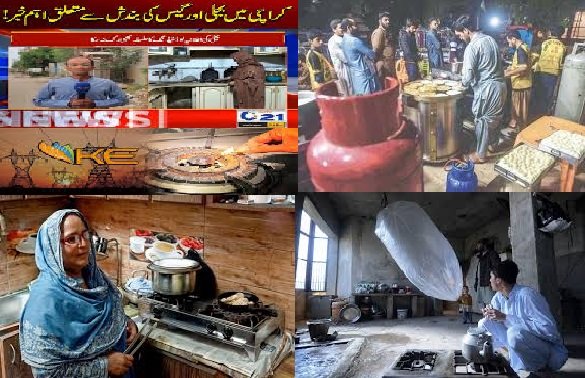 The timetable has altered the manner in which Qureshi navigates her house or life. She cooks for four people, including her husband and two children, without any help, making the gas schedule central to how she plans the day.
For her, cooking is a chore now broken into forced shifts. The gas in most Karachi households is first available between about 6am and 9:30am, for about two hours starting around noon and again from 6pm to about 9:30pm. While it appears to be a manageable schedule, the supply is erratic, with low pressure making cooking a lengthier process.
“It is very irritating that when it is time, the gas does not come. It is tiring to live like this,” she said.
“In the evening, I want to give time to my family and home, or I have other things to do,” Qureshi said but “the gas comes only at 6pm. So I do whatever I have to do quickly.”
According to a 2024 policy brief by the Pakistan Institute of Development Economics and the United Nations Population Fund (UNFPA), unpaid care work in the country is done mostly by women, with day-to-day chores such as cooking and cleaning often treated as noneconomic work. It says women spend approximately three hours a day on unpaid, nonmarket work, with the longest time spent in the kitchen.
‘Not getting a proper meal’
Laiba Zahid, a 24-year-old teacher, says her days are now divided into the windows of breakfast, lunch and dinner that are defined by the gas supply.