 Pressmediaofindia
Related Articles

26-05-2026
By SJA Jafri + Bureau Report
ISLAMABAD/ NEW DELHI: Earlier this month, as Indian television channels and government leaders were celebrating the anniversary of the war against Pakistan in May 2025, one of the most influential ideologues of the political movement that Prime Minister Narendra Modi leads struck a discordant note.
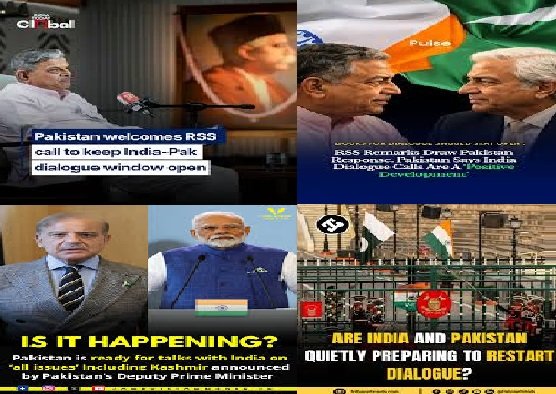 In an interview with an Indian news agency, Dattatreya Hosabale, general secretary of the Rashtriya Swayamsevak Sangh (RSS), the mothership of the Hindu majoritarian philosophy of Hindutva that guides Modi’s Bharatiya Janata Party (BJP), said New Delhi should explore dialogue with Pakistan.
“We should not close the doors. We should always be ready to engage in dialogue,” he said.
His comments instantly stirred up a political storm in India, with the opposition questioning the RSS position and pointing out how it was in stark contrast to Modi’s.
Indeed, Modi and his government have repeatedly said “terror and talks can’t go together”, arguing against any dialogue with Pakistan, which India accuses of sponsoring and arming fighters that have attacked Indian-administered Kashmir and Indian cities for decades. The four-day 2025 war which Pakistan and India both insist they “won” followed an attack by gunmen in the resort town of Pahalgam in Indian-administered Kashmir in which 26 tourists were killed.
Pakistan welcomed Hosabale’s comments, with Foreign Ministry spokesperson Tahir Andrabi saying Islamabad would wait to see whether there was “an official reaction” from India to calls for talks.
More than a week later, the Modi government is yet to formally respond to Hosabale’s call for dialogue, but other prominent voices in India have backed the RSS leader, leading to suggestions that New Delhi might be preparing the ground to restart formal engagement with Pakistan.
Analysts say, however, that while there’s a growing rationale for the neighbors to re-engage diplomatically, and that they have already quietly taken baby steps in this direction, resurrecting a full-fledged dialogue will not be easy.
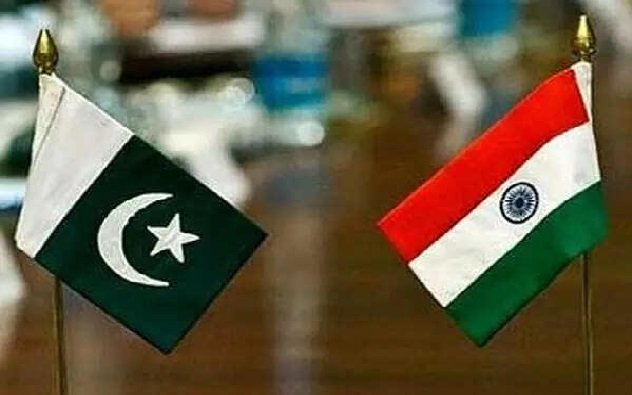 Voices from the margins or testing the waters?
The push for talks didn’t end with Hosabale.
Former Indian army chief General Manoj Naravane publicly backed the RSS leader’s position, also telling an Indian news agency on the sidelines of a book launch in Mumbai that the “common man has nothing to do with politics” and that friendship between peoples naturally helps improve relations between states.
Across the border, Andrabi responded: “We hope that sanity will prevail in India and warmongering will fade away and pave the way for more such voices.”
While the RSS is the same as the BJP and is not itself in government, most senior BJP leaders, including Modi, have served for years in the group, which plays a critical role in building grassroots support for the governing party.
Irfan Nooruddin, a professor of Indian politics at Georgetown University, said the signals for talks were emerging from the RSS and retired generals like Naravane for a reason.
Below the surface
The calls for dialogue aren’t coming in a vacuum, point out analysts.
Jauhar Saleem, a former Pakistani diplomat, told Al Jazeera that roughly four meetings involving former officials, retired generals, intelligence figures and parliamentarians from both sides had taken place over the past year, since the May 2025 war that ended in a ceasefire that United States President Donald Trump insists he mediated.