 Pressmediaofindia
Related Articles

26-05-2026
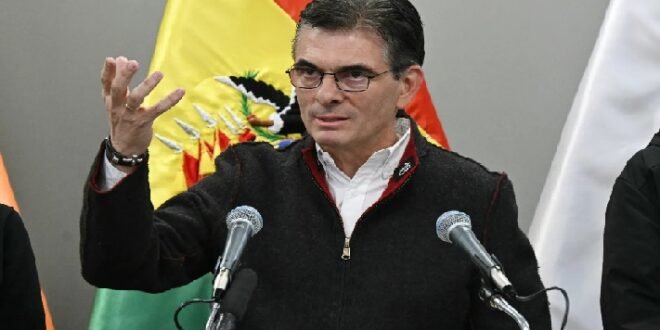
SANTA CRUZ, BOLIVIA: A spiraling political conflict is threatening social stability in Bolivia.
Just six months after the new administration took office, President Rodrigo Paz is facing a wave of demonstrations, highway blockades and growing calls for his resignation.
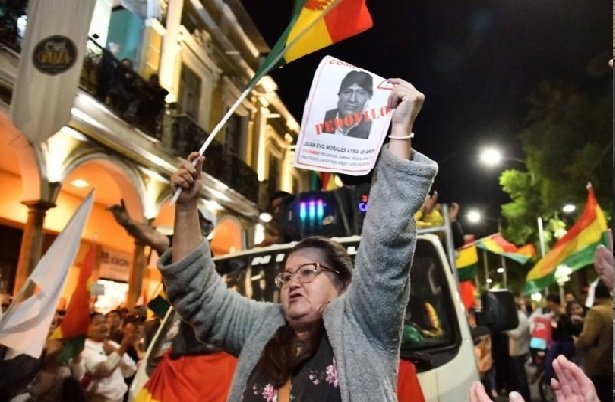 The unrest began a little more than a month ago with the convergence of several sector-based demands. Some organizations were calling for wage increases, others complained about contaminated fuel that had damaged thousands of vehicles, while additional groups protested against a law authorizing changes to land classifications, which, its critics said, favored land concentration among big business owners.
Although the government managed to ease some of the disputes by conceding to certain demands, including repealing the land law and offering a financial bonus for teachers, as well as speeding up compensation for some vehicles damaged, Indigenous groups from the highlands decided to push the protests to the limit by blocking roads in an effort to force the president to step down.
On May 6, hundreds of protesters began erecting barricades that have since surrounded the city of La Paz, the seat of government, maintaining an average of 20 simultaneous pickets each day. They have also secured the support of other organizations that have historically exerted pressure over government decision-making, including the Bolivian Workers’ Union.
“The demand is for the president to resign due to his inability to solve the country’s structural problems; he is leading us adrift … he is mortgaging the country. What future awaits our children and grandchildren?” Mario Argollo, union leader of Central Obrera Boliviana, told reporters.
The Andean cities of La Paz and El Alto, two of the country’s most populous urban centers and that are adjacent to each other, are facing food shortages, the suspension of classes in some schools and disruptions to public transportation as hundreds of protesters block roads.
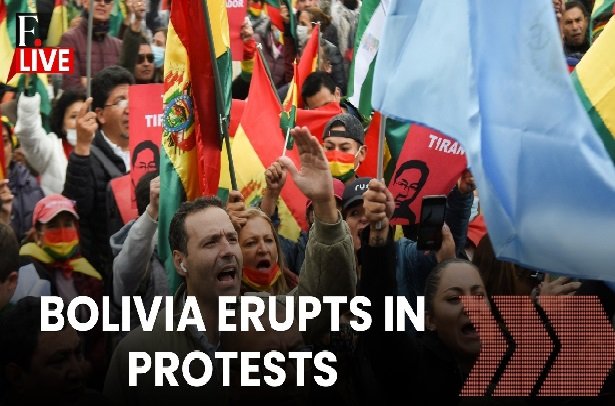 Although many residents affected by the protests have demanded a tougher response against demonstrators in order to restore order, the government has so far ruled out declaring a state of emergency.
Despite the differing motivations of the social groups taking part in the protests, many analysts believe there is a deeper issue behind the unrest: growing discontent among Indigenous and working-class sectors.
‘Political and strategic shift’
Rodrigo Paz was a centrist senator who, despite having a long political career, was not a nationally known figure and managed to present himself as a “new” candidate. He became Bolivia’s first president after the era of the Movement for Socialism (MAS), which governed the country for nearly 20 years with record-breaking electoral victories and congressional majorities. Due to poor administrative management and corruption, MAS left the country facing a deep economic crisis and received just 3 percent of the vote in the 2025 elections.
During the election campaign, Rodrigo Paz adopted a moderate, centrist discourse and rose to power largely thanks to former MAS voters.
Now, six months into the presidency, those voters are not only disenchanted, but also feeling excluded from the government, as Rodrigo Paz did not appoint Indigenous people or working-class individuals to the cabinet or to key positions within the government.
These groups, which had governed alongside MAS for the past two decades now perceive the administration as aligned with business elites and governing in their favor. (Int’l Monitoring Desk)