 Pressmediaofindia
Related Articles



23-04-2026
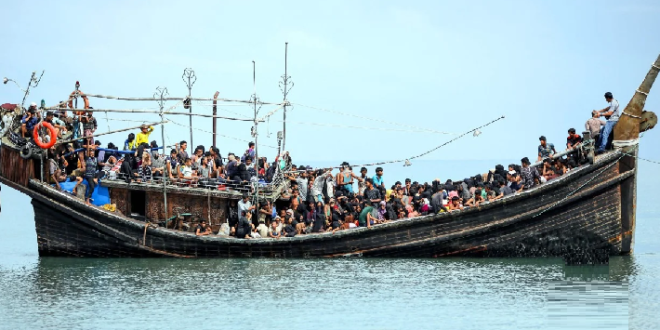
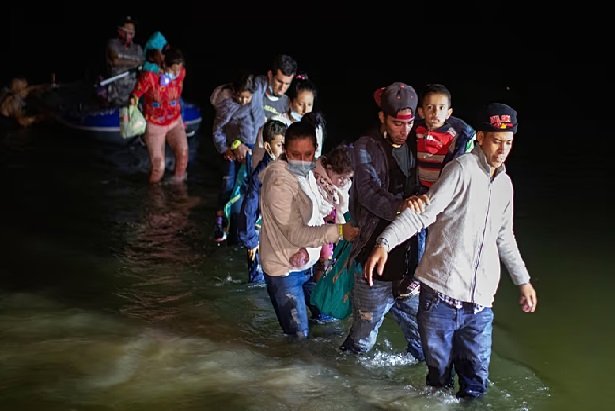
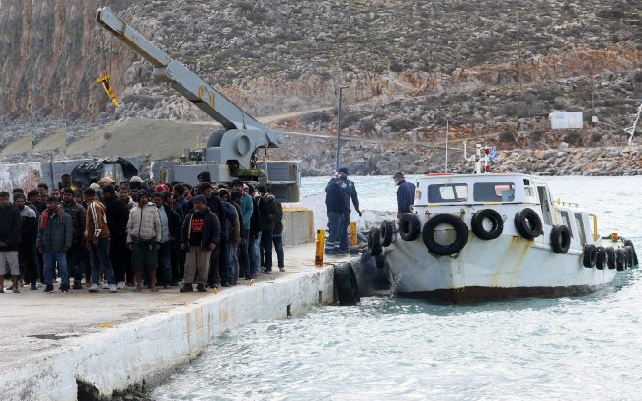
GENEVA/ COX’S BAZAR: Nearly 8,000 people died or disappeared on migration routes last year, with sea routes to Europe the most deadly and many victims lost in “invisible shipwrecks”, a UN agency said on Tuesday.
 “These figures bear witness to our collective failure to prevent these tragedies,” Maria Moita, who directs the International Organization for Migration’s humanitarian and response department, told a Geneva press briefing.
Though the 7,904 people dead or missing was down from an all-time high of 9,197 in 2024, the IOM said that was partly due to 1,500 suspected cases that went unverified due to aid cuts. More than four in every 10 fatalities and disappearances came on sea routes to Europe. Many cases were so-called “invisible shipwrecks” where entire boats are lost at sea and never found, the IOM said in a chilling new report.
The West African route northwards accounted for 1,200 deaths, while Asia reported a record number of fatalities, including hundreds of Rohingya refugees fleeing violence in Myanmar or misery in crowded refugee camps in Bangladesh.
“Routes are shifting in response to conflict, climate pressures and policy changes, but the risks are still very real,” said IOM Director General Amy Pope in a statement. “Behind these numbers are people taking dangerous journeys and families left waiting for news that may never come?”
Rohingya refugee Rahila Begum spent two days adrift in the Andaman Sea this month, clinging to a wooden shard after her overcrowded boat capsized, one of the few survivors of a disaster that left 250 missing and feared dead.
She was among the thousands of Rohingya Muslims who brave hunger and accidents on rickety boats each year to flee desperate conditions in camps in southeastern Bangladesh for countries such as Indonesia and Malaysia.
 Hundreds die en route from hunger or accidents at sea, but the numbers keep growing as shrinking food rations caused by dwindling international aid push yet more to make the dangerous crossing.
“I never thought I would survive,” said Begum, her voice thread from fever and aches as she sat, wrapped in a blanket, on a thin mat in her parents’ shack thrown together from tarpaulin sheets. “It felt like the end of my life.”
The 26-year-old was rescued by a passing Bangladeshi oil tanker after her boat, with nearly 300 aboard, sank this month on its way to Malaysia, and later handed to the country’s Coast Guard.
Bangladesh’s coastal district of Cox’s Bazar is home to nearly 1.2 million Rohingya, many of whom fled persecution and fighting in Buddhist-majority Myanmar, where they are accused of being outsiders.
Trapped for years, denied the right to work, receiving only limited education and shrinking food aid, few see a future in Bangladesh and cannot risk returning to Myanmar. UN refugee agency UNHCR says nearly 900 Rohingya were reported missing or dead in the Andaman Sea and Bay of Bengal in 2025, making it the deadliest year on record for regional sea crossings, with more than 6,500 attempted.
Between January and mid-April this year, more than 2,800 Rohingya attempted such journeys, the agency says.
“The Rohingya population is very young and aspires to a better life, but that hope is increasingly turning into desperation,” said Astrid Castelein, a UNHCR official.
“That is why youths and families are deciding to take these dangerous boat journeys.” Authorities have stepped up coastal patrols and surveillance of the camps to curb trafficking networks, a Bangladesh official said, speaking on condition of anonymity, but acknowledged that the scale of desperation made enforcement difficult. (Int’l Monitoring Desk)