 Pressmediaofindia
Related Articles


02-06-2026
TEHRAN/ WASHINGTON: The United States and Iran have reached an agreement to extend a ceasefire, allow shipping through the Strait of Hormuz and lift a US blockade and some sanctions on Iran but the deal has not been finalized.
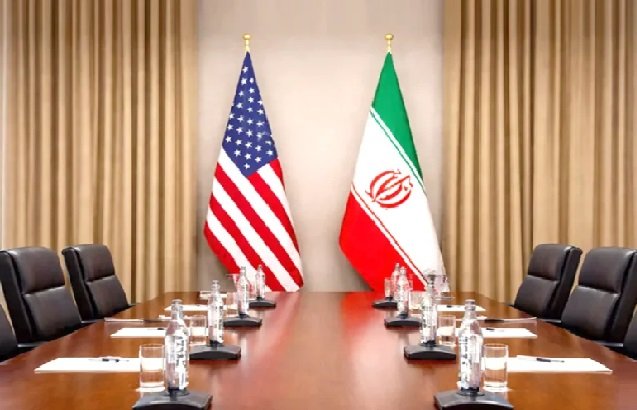 On Friday, US President Donald Trump said he would make a decision soon, although both countries still appeared to differ on significant issues central to the conflict.
Trump met in a secure White House room to make a “final determination” on the proposal, which would extend an early-April truce for another 60 days, giving negotiators time to forge a permanent end to the war.
A White House official said the meeting in the Situation Room lasted about two hours but did not address whether Trump had made a decision.
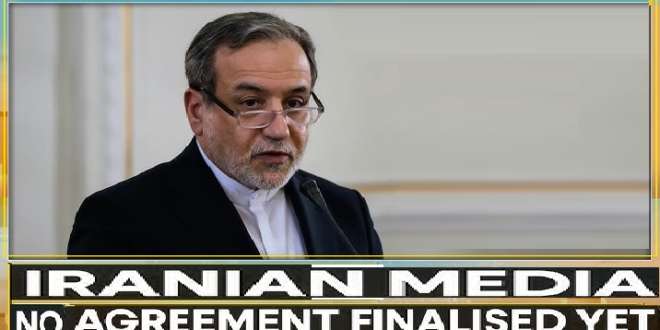
A senior Iranian source told media an agreement was close but had not yet been approved.
Trump also said Iran would have to end its chokehold on the Strait of Hormuz and dismantle its capacity to make a nuclear weapon two conditions that Tehran has not agreed to.
An agreement would represent a big step towards ending a war that has pushed the world towards an energy crisis, though the underlying dispute over Iran’s nuclear program would only be thrashed out in talks over subsequent weeks.
Where is the discussion at?
Following a ceasefire in early April, the two sides have remained at odds on issues including Iran’s nuclear ambitions, Israel’s war in Lebanon with the Iranian-backed Hezbollah militia and Tehran’s demands for the lifting of sanctions and the release of frozen assets.
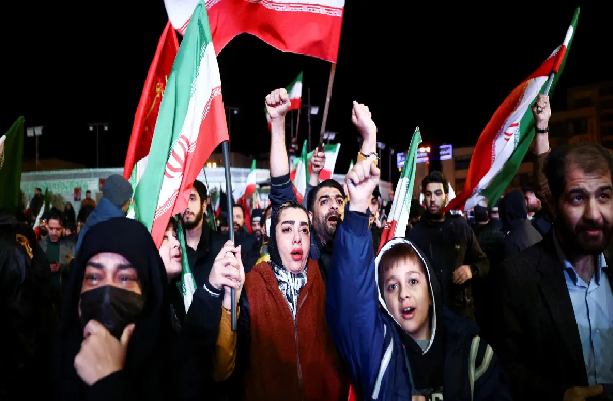 After weeks of mainly indirect talks, four sources familiar with the matter said on Thursday that the US and Iran had agreed on a memorandum of understanding that would halt the war and give negotiators 60 days to reach a final deal.
However, both sides have said several times before that they believed an agreement was close but none has been reached. The position of Israel, which launched the war on Iran on 28 February alongside the US, is central to any deal but its role in the agreement is unclear.
Trump has not yet approved the deal, according to the sources. Vice President JD Vance said on Thursday: “We’re not there but we’re very close and we’re going to keep working on it”.
Iran has not yet formally commented, but the semi-official Tasnim news agency cited a source close to the negotiating team as saying the text of the agreement had not yet been finalized or confirmed.
Iranian sources have previously said a framework deal is only about ending the war on all fronts, establishing a 30-day framework for international and Iranian movement through the Hormuz strait and possibly providing some financial relief.
There would then be negotiations on the more difficult issues, such as the status of Iran’s highly enriched uranium and details concerning the strait, and the sequencing of the many points in the preliminary deal such as sanctions relief and security.
The last deal over the nuclear program struck in 2015 and torn up by Trump in 2018 took years of negotiations between large teams of technical experts.
So, what are the main issues and roadblocks?
Iran’s closure of the Strait of Hormuz, the conduit for a fifth of global supplies of oil and liquefied natural gas, has pushed up oil prices. Reopening the strait is the US’ priority and Iran’s main point of leverage, but it could take time.
Many vessels are stuck in the gulf and Iran says it has laid some sea mines that could be difficult to locate. (Int’l Monitoring Desk)