 Pressmediaofindia
Related Articles

02-06-2026
Bureau Report
NEW DELHI: Thumping his fist on a lectern, Indian Prime Minister Narendra Modi issued a direct challenge to the leaders of Pakistan.
“India has been successful in isolating you and we will intensify those efforts,” he said, addressing a large rally of supporters in the southern Indian state of Kerala, as dusk set in. “We will make sure that you are isolated around the world.”
 It was September 2016, and Modi was responding to an attack by armed fighters in Indian-administered Kashmir days earlier, in which 18 Indian soldiers had been killed. “The leaders of Pakistan should listen: The sacrifice of our 18 soldiers will not go in vain,” the Indian leader said.
Yet a decade later, Pakistan stands far from isolated: It is a close strategic ally of China, where the Pakistani Prime Minister, Shehbaz Sharif, visited this week, and has reemerged as a trusted partner of the United States under President Donald Trump.
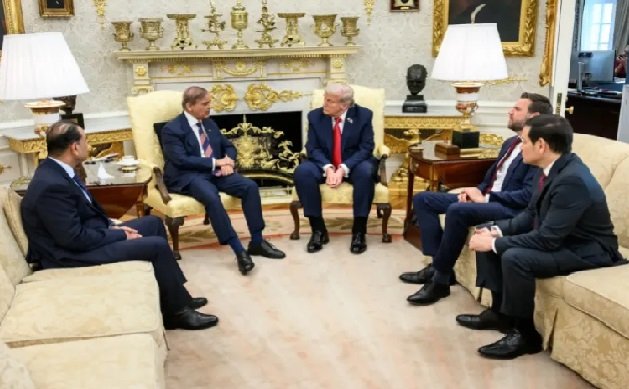
Pakistan’s army chief Asim Munir and Sharif have both visited Trump at the White House over the past year. Islamabad is the principal mediator between the US and Iran amid their ongoing war. Trump has also frequently praised the Pakistani leadership.
In part, say analysts, that’s a reflection of Pakistan’s success in wooing Trump and in capitalizing on key geopolitical events to make itself an important diplomatic player for superpowers and regional players alike but equally, say analysts, Pakistan’s growing diplomatic stature underscores missteps by Modi’s administration.
“Certainly, India’s strategy of undercutting and indeed isolating Pakistan, regionally and globally, has backfired in a big way,” Michael Kugelman, a senior fellow on South Asia at the Atlantic Council think tank, told media.
On May 10, 2025, Trump announced that he had secured a ceasefire between nuclear-armed India and Pakistan.
 “After a long night of talks mediated by the United States, I am pleased to announce that India and Pakistan have agreed to a full and immediate ceasefire,” he posted on his Truth Social platform.
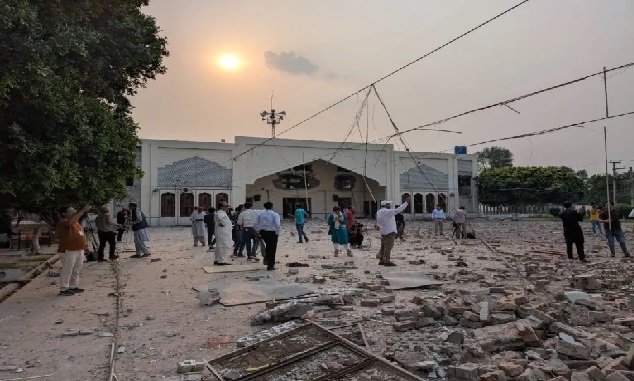
Shortly after, Sharif, the Pakistani PM, thanked Trump’s “leadership and proactive role” in securing the truce that ended four days of intense fighting involving ballistic missiles, fighter jets and drones. It was the worst fighting between India and Pakistan in decades: Dozens of people were killed on both sides of their heavily militarized border.
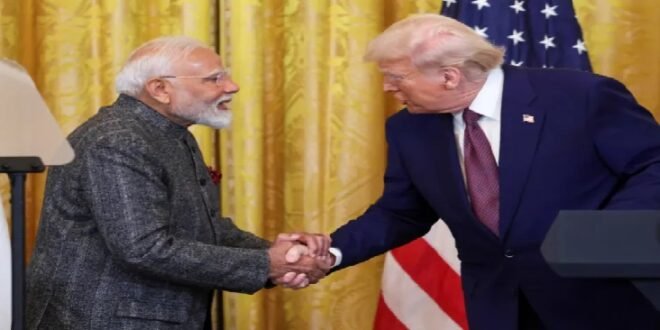
The conflict erupted after the Indian military carried out attacks on “terror” sites deep inside Pakistani territory, in response to an attack by gunmen who killed 26 tourists in Indian-administered Kashmir but unlike Sharif, Modi, who had cultivated a personal rapport with the US president whom he had met just months earlier in the Oval Office chose to remain silent, even as India’s foreign secretary confirmed the ceasefire.
Days later, the US president offered to work with the two arch foes to find a solution to the Kashmir issue, which has defined India-Pakistan relations since 1947, the year the two South Asian nations achieved independence from British colonial rule.
For India, Trump’s attempts to portray himself as a peacemaker between New Delhi and Islamabad were troubling: India has long insisted that its disputes with its neighbor were strictly bilateral, for the two countries to resolve among themselves though US former President Bill Clinton had played a role in ending the 1999 Kargil War.
In June, Modi was visiting Canada when Trump asked him to also fly over to Washington.