 Pressmediaofindia
Related Articles



01-06-2026
ROME: Historic messages and documents obscured by incomprehensible ciphers can be found in libraries and archives all over the world. Artificial intelligence is helping historians crack open these mysterious texts.
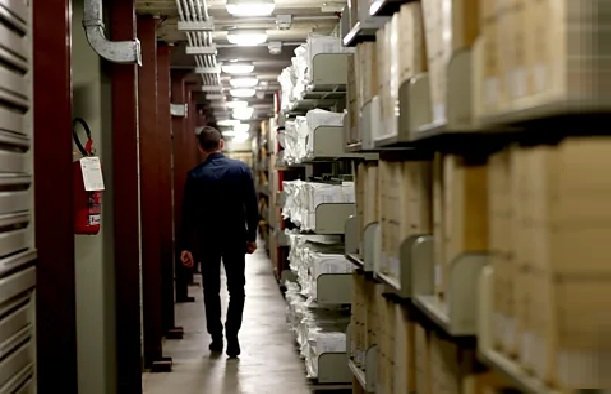 Deep in the archives of the Vatican library, a mysterious hand-written book, scrawled with strange symbols, had lain unread for more than 400 years. Its cryptic pages apparently concealed secret remedies “for affections of the human body”, according to some text scratched inside the cover. Such healing practices were kept under wraps at the time since they could attract suspicion or even accusations of witchcraft.
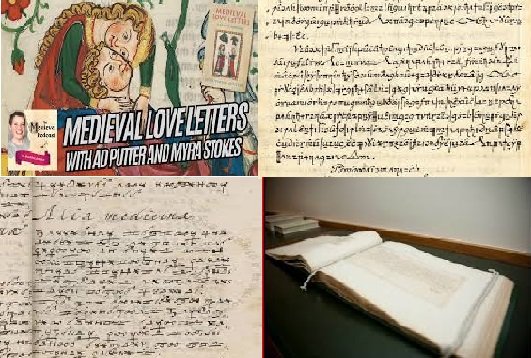
Known as the Borg cipher, the 408-page-long manuscript is mostly incomprehensible coded using 34 obscure symbols with a few Roman letters and a front page written in Arabic. There was no known key to reveal what was encrypted. Some of the pages are also damaged due to their age, making the code even more challenging to read but with the help of machine learning, a form of artificial intelligence researchers were able to unravel the code. They discovered the text was filled with thousands of bizarre treatments such as drinking several glasses of high-quality red wine or fermenting a nutmeg in some dough to combat dysentery.
“It is like detective work where every symbol, pattern and partial solution may bring us closer to someone’s secrets and to a lost historical world,” says Beata Megyesi, a professor in computational linguistics at Stockholm University in Sweden, who was part of the team who decoded the text. Even with the help of AI, the process of unlocking the cipher key was painstaking.
Now Megyesi and her colleagues are leading efforts to harness the power of AI to crack historic ciphers, potentially unlocking a wealth of coded information from the past that has previously been uncrackable.
“This opens up exciting possibilities for rare and non-standard writing systems Beata Megyesi”
According to some estimates, around 1% of the material in archives and libraries around the world is fully or partially encrypted. Some of the earliest known ciphers date back to Ancient Greece and Rome.
 Decoys, dead languages and bad handwriting
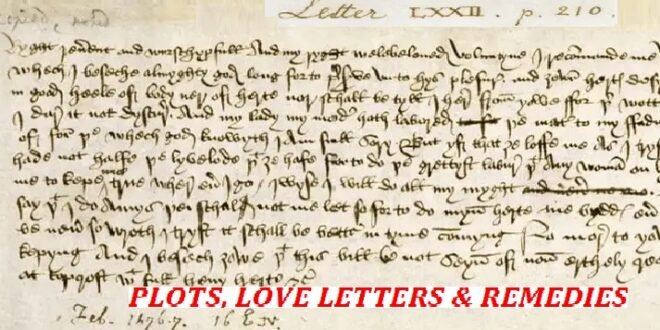
Together, coded historic documents conceal diplomatic intelligence, the rituals of secret societies, medical knowledge, love affairs or everyday details that people wanted to keep secret. This is information currently missing from historical narratives. In some cases, decoding these documents has the potential to rewrite what we know about a famous individual or an entire period of history. (One recent cipher to do this were a collection of coded letters that were found to have been written by Mary Queen of Scots during her long imprisonment in England. They revealed her involvement in plots to regain her throne and her tense relationship with her son, James VI of Scotland and future King James I of England.)
Historic ciphers can be relatively simple: the Borg cipher, for example, uses a substitution cipher, meaning that each symbol was swapped with a single Roman letter to hide what was written. Others, however, can be difficult to unravel. In some cases, nothing is known about the original language the uncoded text was written in. Extra, meaningless symbols can also be inserted as a decoy to throw off anyone hoping to snoop on the text. In other cases, several signs can be used to represent the same letter.
This can mean a huge amount of work often involving trial and error to decode even a small amount of text. It took Cecile Pierrot, a cryptologist at the French National Institute for Computer Science Research (INRIA) in Nancy, France. (BBC)