 Pressmediaofindia
Related Articles



06-06-2026
Warning for Aboriginal and Torres Strait Islander readers; this article contains references to and images of someone who has died. This note has been added to respect cultural beliefs of these readers during mourning.
DARWIN: In the past few weeks, flowers, messages and cuddly toys have grown like a creeper on the chain link fence at the entrance of Old Timers town camp in Australia’s Northern Territory.
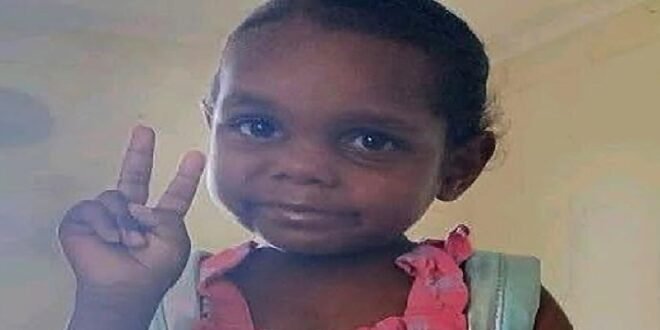
 A little girl gets out of a car with her brother and mother to add to the pile, laying a bright pink cuddly toy on the ground, a tribute to Kumanjayi Little Baby, the five-year-old who went missing in April from this Aboriginal community and whose body was found five days later.
An Aboriginal man was subsequently charged with murdering her.
“The whole community is numb,” another mourner says. This is a sentiment felt by much of this small town of fewer than 30,000 people, many of whom joined the search for Kumanjayi Little Baby, as she’s now known for cultural reasons, in the days after she disappeared.
“In some ways you could say we’ve actually seen some of the best of the community in the absolute worst of times,” says Asta Hill, the mayor of Alice Springs.
As well as bringing the town together, Kumanjayi Little Baby’s death united Australians across the country in grief and outrage.
Condolence motions were passed in parliament, and even Prime Minister Anthony Albanese weighed in, saying “it breaks your heart”.
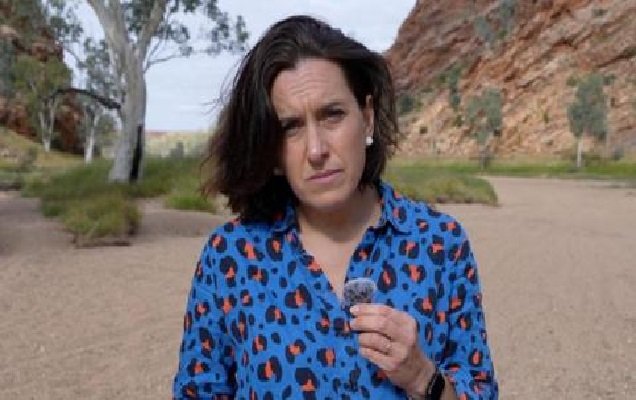
“For the very first time this story brought to the surface how deeply Aboriginal and Torres Strait Islander people love and care for their children,” says Catherine Liddle, CEO of SNAICC, a peak body that represents Aboriginal and Torres Strait Islander children and their families but the circumstances of Kumanjayi Little Baby’s alleged murder also laid bare the deep inequalities that still exist in one of the world’s wealthiest countries with many asking how this could happen, and prompting authorities to promise a review into the territory’s child protection system.
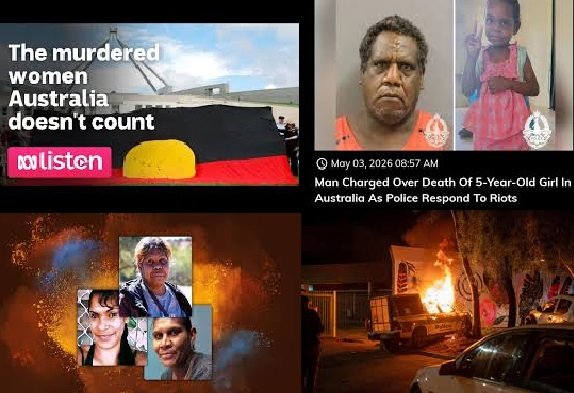 Faced with a painful, often traumatic history of policies that have targeted generations of Aboriginal communities and their children, navigating the aftermath of this tragedy is fraught with sensitivities.
A beloved little girl
Kumanjayi Little Baby was a Warlpiri girl whose traditional lands are in the northwest of Alice Springs, in the Tanami Desert. Her mother described her as a “princess” in a statement read out at a vigil held for her at Alice Springs.
She painted a picture of a beloved little girl that felt relatable to parents everywhere. A five-year-old who loved cartoons and computer games. A little sister who liked hanging out with her brother. A young student excited about starting school.
“My heart is broken into a million pieces,” her mother wrote to those attending. “I want you to know that I am having trouble knowing how I can repair it and how I can live without my little baby.”
This part of Australia is remote, the nearest city is Darwin, a 15-hour drive north. All around it is arid desert.
Aboriginal people make up about 3% of Australia’s population. In Alice Springs, that number is closer to 20% but since colonization, communities have been kept apart.
The Old Timers town camp, also known as Ilyperenye, where Kumanjayi Little Baby was put to bed by her mother the night she went missing, is a few kilometers south of Alice Springs, one of 16 around the town. They first sprang up in the 1880s when Aboriginal people were displaced from their traditional lands by European settlers, but were only formalized in the 1970s after their residents asked for proper homes and basic services like electricity and piped water. (Int’l News Desk)