 Pressmediaofindia
Related Articles



04-05-2026
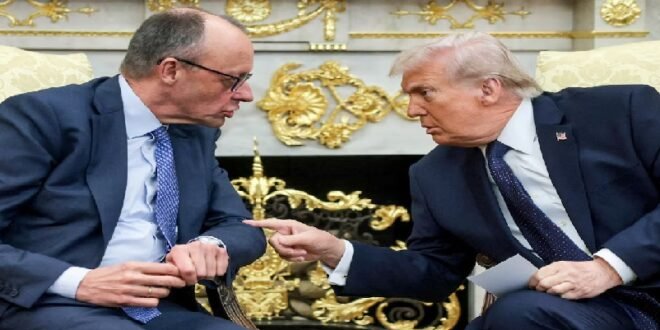
WASHINGTON: The past weeks have not been reassuring for those who thought Europe could navigate its tricky relationship with US President Donald Trump.
 Trump this week lashed out at German Chancellor Friedrich Merz over his criticism of the Iran war, calling him “totally ineffective,” and threatened to cut the 36,400 US troops based in Germany.
He has taken aim at British Prime Minister Keir Starmer in strikingly personal terms, saying that he is “not Winston Churchill,” and threatening to impose a “big tariff” on imports from the UK.
More worrying for Europe, Trump’s Defense Department has floated punishing NATO allies that it believes are not supporting US operations in the war with Iran, including suspending Spain as a member and reviewing US recognition of the Falkland Islands as a UK possession.
“It’s unnerving to say the least,” said one European diplomat. “We are braced for anything, anytime.”
The latest US broadsides, fired over disagreements about the Iran war, have seemingly turned US-Europe relations back to the early days of the second Trump administration and raise fresh questions about the best way to handle a mercurial ally. A second European diplomat said former German Chancellor Angela Merkel, who had a rocky relationship with Trump during his first term, had modeled the right approach.
“We’ve all learned a bit how to handle Trump by now. You must not react immediately, you must let the storm pass, while standing firmly on your positions,” the diplomat said.
Even those who attempted flattery have faced Trump’s ire, the diplomat said. “All those who tried that got their volley of insults, like the others. So everybody realizes now that flattery doesn’t work either,” the diplomat said.
The White House had no immediate comment.
Last year, US tariffs, Trump’s push to acquire Greenland and a cut in US aid to Ukraine deeply unsettled transatlantic relations.
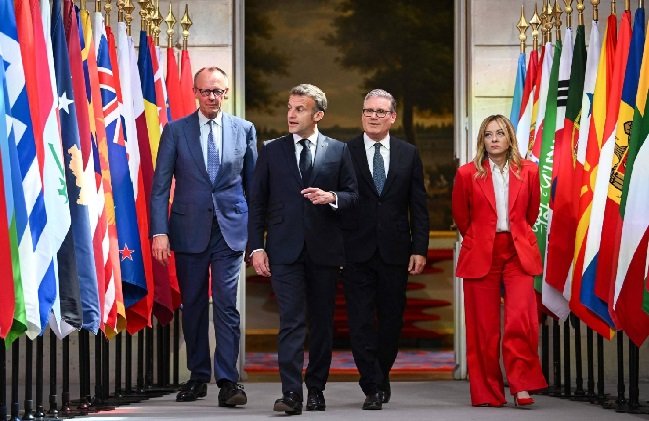 Some leaders, including Starmer, Merz and Italian Prime Minister Giorgia Meloni, worked to stabilize ties through regular visits, trade deals and policy shifts, including some that have been unpopular domestically, only to find themselves in the crosshairs again following the start of the Iran war in February.
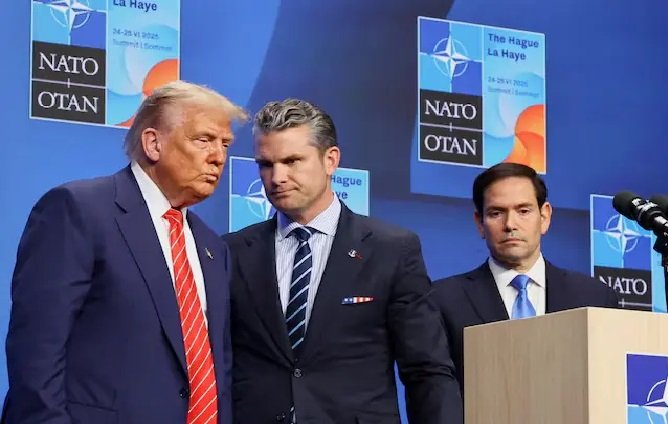
Even NATO Secretary General Mark Rutte, known in Europe as a “Trump whisperer”, faced a scolding from Trump during a White House meeting this month. Trump also blasted Meloni, once his favorite European leader after she criticized the Iran war and chided Trump for what she called an “unacceptable” verbal assault against Pope Leo.
While many members of the US administration are deeply skeptical of Europe, not all members of the president’s Republican Party support Trump’s approach.
“The continued attacks on NATO allies are counterproductive, the comments hurt Americans,” wrote Republican Representative Don Bacon on social media on Thursday, following Trump’s threat to cut troop levels in Germany.
“The two big airfields in Germany give us great access in three continents. We are shooting ourselves in our own feet.”
Some of Trump’s social media posts this week caught European officials off guard.
Less than two hours before the post about US troop levels in Germany, Berlin’s top general, Carsten Breuer, told reporters that he got a thumbs up for Germany’s new military strategy when he met with Defense Undersecretary Elbridge Colby at the Pentagon earlier in the day. He gave no indication that any troop reductions were discussed. (Int’l News Desk)