 Pressmediaofindia

Related Articles



25-05-2026
NEW DELHI/ Brazzaville/ KAMPALA: Next week’s India-Africa Forum Summit has been cancelled due to the Ebola crisis in the Democratic Republic of Congo and Uganda.
 The fourth edition of the summit, which fosters diplomatic interactions between India and countries of the African continent, was set to be held in Delhi from 28-31 May after more than a decade.
On Thursday, India and the African Union said in a joint statement that the summit was being postponed due to the “emerging public health situation in the continent” and that a new date would be announced later.
The move comes days after the World Health Organization (WHO) declared the latest Ebola outbreak a public health emergency of international concern.
According to WHO, there have been 600 suspected cases of Ebola so far and 139 suspected deaths.
The cases have been confined to the African continent so far but experts say the latest outbreak is challenging because it involves a rare species of Ebola for which there is no vaccine, and the epicentre is in an area affected by conflict.
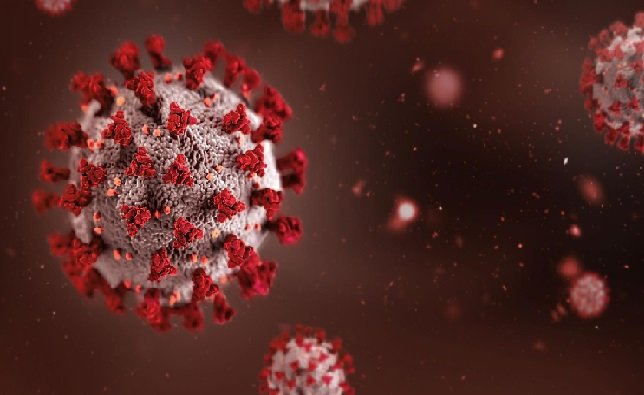
Ebola is a rare but deadly disease caused by a virus.
Ebola viruses normally infect animals, typically fruit bats, but outbreaks among humans can sometimes start when people eat or handle infected animals.
It takes two to 21 days for symptoms to appear. They come on suddenly and start like the flu or malaria, with fever, headache and tiredness.
As the disease progresses, vomiting and diarrhea develop and it can lead to organ failure. Some, but not all, patients develop internal and external bleeding.
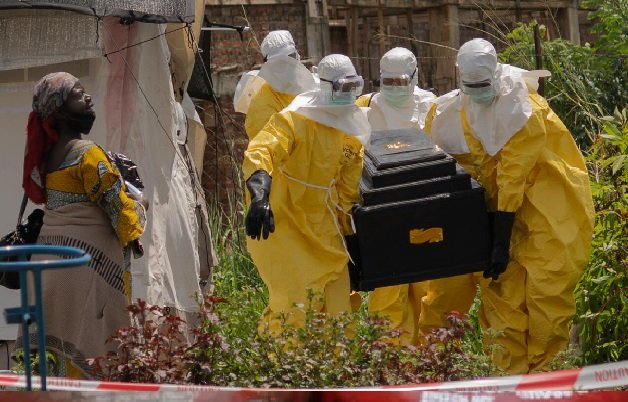 The virus spreads from one person to another by contact with infected bodily fluids such as blood or vomit.
Ebola outbreaks used to be small and contained to remote rural areas. However, urbanization is pushing larger populations closer to these natural reservoirs of Ebola and increasing the risk of transmission.
Though no Ebola cases have been reported from India, on Thursday, the Directorate General of Health Services issued a health advisory for passengers arriving from or transitioning to Ebola-affected countries.
Travelers were advised to immediately report to airport health authorities and seek medical care within 21 days if they show symptoms such as fever, vomiting, diarrhea or bleeding or if they had direct contact with infected persons.
Ebola disease is caused by a group of viruses, known as orthoebolaviruses (formerly ebolavirus) 1. These viruses can cause serious illness that, without treatment, can cause death. Orthoebolaviruses were discovered in 1976 in the Democratic Republic of the Congo and are found primarily in sub-Saharan Africa.
Someone with Ebola disease may start getting sick 2 to 21 days after contact with an orthoebolavirus. However, on average, symptoms begin 8 to 10 days after exposure.
People with Ebola disease may experience “dry” symptoms early in the course of illness. These symptoms may include fever, aches, pains, and fatigue. As the person becomes sicker, the illness typically progresses to “wet” symptoms and may include diarrhea, vomiting, and unexplained bleeding.
Healthcare providers and family members caring for someone with Ebola disease without proper infection control methods have the highest risk of infection.
The viruses that cause Ebola disease pose little risk to travelers or the general public.
People can get Ebola disease through contact with the body fluids of an infected sick or dead person. A person is only contagious once they begin showing symptoms of the disease. (Int’l Monitoring Desk)