 Pressmediaofindia
Related Articles


19-05-2026
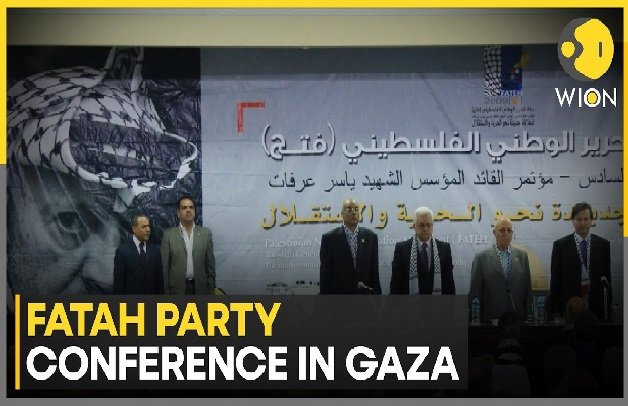
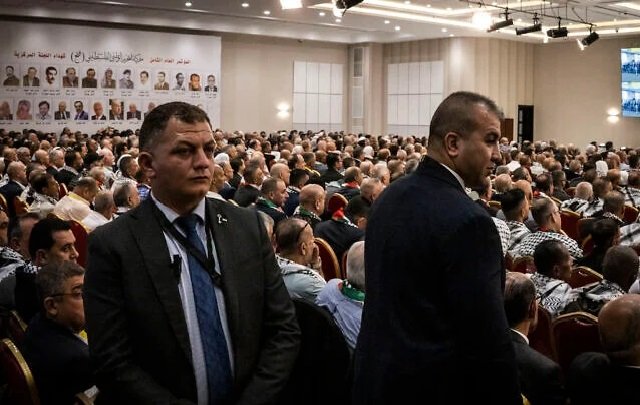
GAZA STRIP: Top leaders of the main Palestinian political faction, Fatah, are electing its highest decision-making body, at its first major conference in a decade.
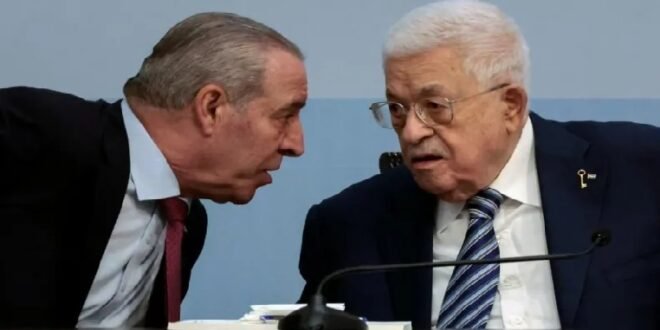
 The 90-year-old Palestinian President, Mahmoud Abbas who rules by decree was re-elected as head of Fatah on Wednesday.
Leading figures are promising unity and a political refresh but ordinary Palestinians complain that this meeting, coming at a critical time for their nationalist cause, is showcasing the opposite.
Palestinian opinion polls indicate profound dissatisfaction with Abbas, with most wanting him to resign.
There is also disquiet that his eldest son, a businessman is on the ballot for a senior party position for the first time.
Addressing the conference on its opening day on Thursday, Abbas promised the first presidential and parliamentary elections in 20 years without giving a timeline.
“We renew our full commitment to continuing work on implementing all the reform measures we pledged,” he said. He declared that holding the gathering “on our homeland’s soil confirms our determination to continue on the democratic path”.
The president and the Palestinian Authority (PA) are under increasing pressure from the US, European Union and Arab countries to carry out reforms and hold elections. They face claims of corruption and political stagnation as well as declining legitimacy.
The Palestinian reality has drastically changed since the last general conference at the end of 2016.
In 2023, the deadly Hamas-led assault on Israel triggered the brutal Gaza war. Palestinians have been “slaughtered, displaced and devastated”, Abbas said in his opening address to the conference, leaving an “unprecedented humanitarian catastrophe”. At the same time, a key Israeli minister has pledged “to bury the idea of a Palestinian state”. Palestinians in the occupied West Bank and East Jerusalem increasingly face being pushed from their homes and land as Jewish settlements grow faster than ever. Settlements are illegal under international law.
 This is further weakening the PA dominated by Fatah which governs parts of the West Bank.
On top of that, Israel is withholding tax transfers that it collects for the PA deepening its economic woes because of an ongoing dispute about Palestinian school texts which Israel claims incite violence, and stipends to the families of those jailed or killed by Israel, including attackers.
The PA says it is now owed some $5bn (£3.7bn; 4.3bn euros), meaning it pays most civil servants only part of their salaries and restricts some public services.
President Abbas, an architect of the breakthrough 1993 Oslo peace agreement with Israel, originally came to power promising to use non-violent means to work towards creating a Palestinian state, in the West Bank and Gaza Strip, with East Jerusalem as its capital.
However, Palestinian opinion polls indicate profound dissatisfaction with their leader. In a survey late last year, 80% wanted him to resign. At a party level, Hamas was more popular than Fatah. Many Palestinians believe Fatah has lost its way.
There is anger over cronyism and corruption and the PA’s continued security co-ordination with Israel which involves sharing information about Palestinian armed groups and is seen as benefiting the occupying power.
“When we talk about Fatah, we’re talking about the backbone of the Palestinian national movement, at least since the 1960s,” says political analyst, Xavier Abu Eid, in Ramallah and “it’s a movement that’s going through a deep crisis.” (Int’l Monitoring Desk)