 Pressmediaofindia
Related Articles



17-06-2026
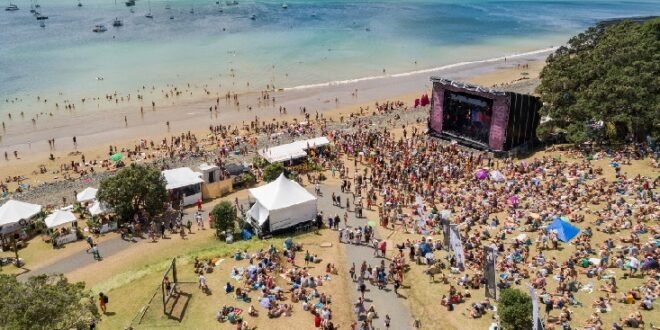
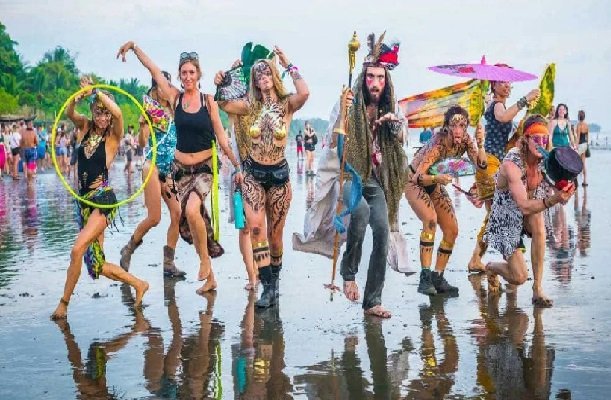
AUCKLAND: On New Year’s Eve 1998, a few hundred people gathered for a dance party on a clifftop above the black sands of Karioitahi beach, south of Auckland. It was wild and lo-fi. Inspired by outdoor raves in Goa, India, and New Year’s Eve parties in the hills of the South Island, there were stilt walkers and fire performers and all kinds of dance music. It was called Splore, a Scottish word meaning merrymaking and frolicking.
 Fat Freddy’s Drop played their first ever festival show at Splore, and have gone on to become a festival favorite in Europe. Other acts followed that path. For nearly three decades, Splore was an unofficial Launchpad where a band or DJ used to playing to a hundred people could suddenly be on a main stage in front of thousands. People came back year after year, they brought their children. Their children brought their own friends but Splore is no more. Its final event was held in February. In a sad sign of the times for music festivals in New Zealand, dozens of festivals have ended in the past two years, including The Others Way, JuicyFest, One Love, the Timeless Summer Tour and more. Womad and Bay Dreams are on hiatus and Twisted Frequency has warned its next edition may be its last. Local music magazine Newzician has estimated up to half of the 70 music festivals held in the summer of 2023-2024 had been cancelled, shut down or postponed.
Music festivals have been a mainstay of New Zealand’s summers for decades and, for many, a cultural rite of passage. Up-and-coming local artists cut their teeth on the festival circuit and larger events draw international acts to the isolated country but the music community is becoming increasingly alarmed as it watches the country’s local independent festivals buckle under the weight of tough economic conditions, dwindling funding and the rise of international promoters, whose big budget events are difficult to match.
Ben Howe, a festival founder and co-owner of local record label Flying Nun, is shocked by how rapidly festivals are shutting down
“Culturally (music festivals) are really important” he says, adding the success of artists such as Lorde and Aldous Harding was buoyed by their early-career appearances at local festivals. “The changes just mean less diversity and less opportunities for local artists, and less interesting stuff going on.”
 No one understands that narrowing better than John Minty, 74, who ran Splore from 2006 before he made the painful decision to shut it down. In 2024, for the first time under his watch, Splore lost money, approximately $320,000 ($188,000). The festival took a year off in 2025, with Minty hoping conditions would improve but when the 2026 event went on sale, for $385 ($225) with camping, “it was crickets,” he says. “Tickets just didn’t move at all.”
At the same time, international acts and promoters are finding fans in New Zealand, as concert giants such as Ticketek, Live Nation and its Ticketmaster subsidiary gain a strong foothold.
The annual Laneway festival, which has been in a partnership with Ticketek since 2021, keeps growing. In 2026, more than 35,000 people attended the Auckland event, a record number, said David Benge, who worked on the festival’s first edition in Melbourne in 2005 and has recently returned to focus on its Auckland leg.
“We’re not trying to hit a number,” he says of the booking philosophy, “we’re trying to hit an identity.” It helps, Benge acknowledges, that Laneway has buying power nobody else in the market can match: six dates across Australia and New Zealand mean agents take the calls.
Even then, the festival would be “more profitable” if New Zealand was cut out of the schedule, Benge says. That said, music festivals in Australia have also struggled with poor ticket sales and cancellations in recent years. (Int’l Monitoring Desk)