 Pressmediaofindia
Related Articles



12-07-2026
JAKARTA: Indonesian President Prabowo Subianto’s signature free meals program is escalating into one of Indonesia’s biggest corruption scandals in years as officials struggle to rein in the $15bn initiative amid allegations of graft and mismanagement.
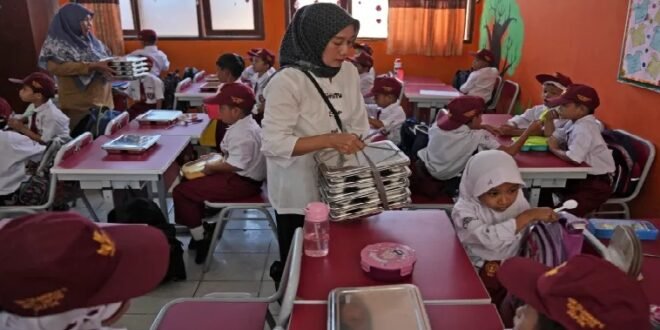
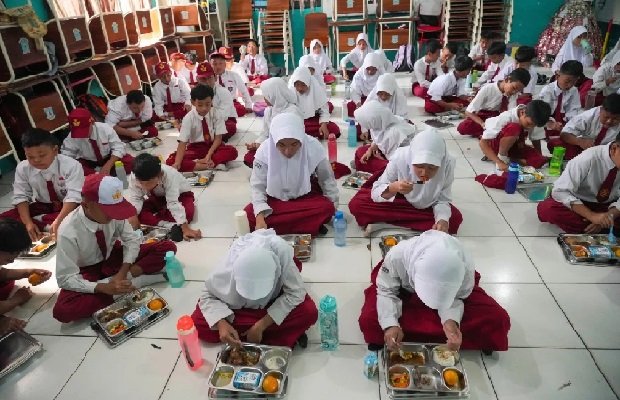 Launched in 2025, the “Free Nutritious Meals” program aims to address the chronic issue of stunting among children, improve their focus in school, and stimulate the local economy.
Indonesia nearly halved the prevalence of stunting over the past decade to around 20 percent of children nationwide, according to the World Bank, but it remains stubbornly high in many of the archipelago’s eastern provinces and outer islands.
Over the past 18 months, the program has rolled out nearly 28,000 kitchens, each supplying schools and communities with up to 3,000 meals a day.
Critics say the program is too large and unwieldy to be effective, while the initiative has also been plagued by thousands of cases of food poisoning.
The initiative has also drawn global scrutiny since authorities arrested the head of Indonesia’s National Nutrition Agency and two of his deputies in early June for alleged procurement fraud amounting to $56m.
Authorities have since expanded their investigations to seven people, including an active-duty police officer and a military officer.
After spending $2.8bn getting the program off the ground in 2025, the government in May cut this year’s budget from $18.4bn to $14.7bn following a directive from Prabowo to use funds “more effectively and efficiently” but critics like Ronny Sasmita, a senior analyst at the Indonesia Strategic and Economic Action Institution, a Jakarta-based think tank, say that Indonesia cannot afford even a downsized version of the scheme, which is being partly funded by spending reallocated from the health and education budgets.
Worse, Samsmita said, the government has created a massive opportunity for corruption.
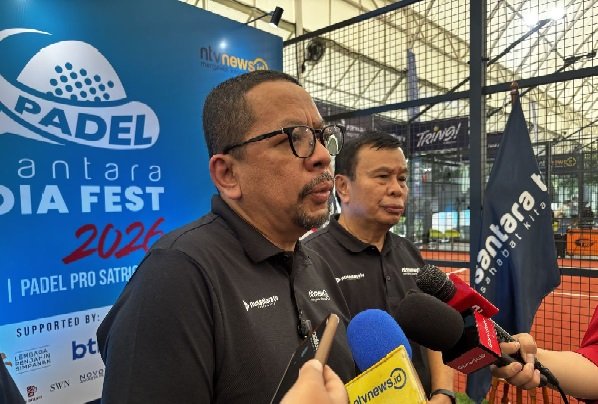 “From an economic governance perspective, the alleged corruption in the ‘Free Nutritious Meals’ program stands out as one of the most significant cases Indonesia has seen in recent years, both in scale and systemic impact,” Sasmita told media.
“What makes it particularly striking is not only the size of the budget involved, given that the program is designed as a nationwide social intervention, but also the breadth of its implementation across regions, which creates multiple entry points for leakages,” he said.
While kitchens established under the program are funded by the government, they are operated franchise-style by a network of foundations rather than through school canteens. Some of these foundations have ties to the police and military, according to the Center of Economic and Law Studies (CELIOS), an Indonesian think tank that has conducted multiple studies on the program.
Kitchen operators also receive “daily incentive fees” of 6 million rupiah ($324), described by the since-arrested nutrition agency chief as tokens of “appreciation from the government to partners who have sacrificed to build the facilities.”
At least 18,000 kitchens, more than half of the program’s facilities, are located on Java, Indonesia’s wealthiest and most populous island, according to local media reports.
Meanwhile, roughly 270 kitchens were established in both eastern Papua, home to six provinces with some of Indonesia’s highest stunting rates, and Bali, the province with the lowest stunting rate. “The most isolated, the poorest areas, the areas with the most stunting programs are the lowest performing programs,” said Annette Mau, a member of the Indonesian Mothers Alliance, which is among the civil society groups monitoring the free meals program. (Int’l Monitoring Desk)