 Pressmediaofindia
Related Articles


31-05-2026
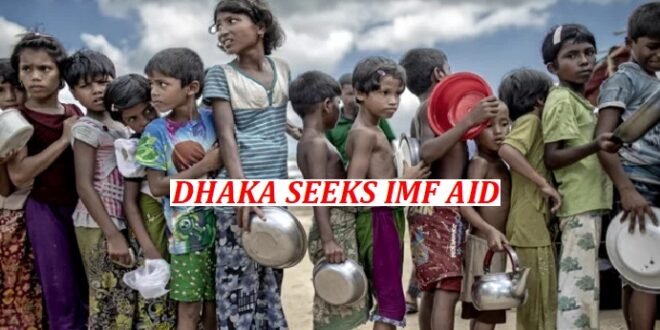
DHAKA: The International Monetary Fund (IMF) reports that Bangladesh has requested a new assistance program as it struggles with the economic fallout of the United States-Israel war on Iran.
We take a look at what assistance Bangladesh has sought, the South Asian country’s history with the IMF and how the war has hit its economy.
 What has Bangladesh asked for?
The IMF’s mission chief for Bangladesh, Ivo Krznar, announced on Tuesday that Bangladesh had requested a new IMF-supported program.
“IMF staff are in discussions with the authorities on their reform agenda and policy priorities,” Krznar said in a statement.
“The IMF remains a committed partner to Bangladesh in its efforts to secure lasting macroeconomic and financial stability, strengthen resilience, and support strong, inclusive growth.”
Neither side disclosed the size or precise terms of the requested financial aid package.
However, in March, the government of Bangladesh said it was seeking $2bn in loans from various donors as it grappled with an energy crisis caused by the war on Iran.
Energy crisis
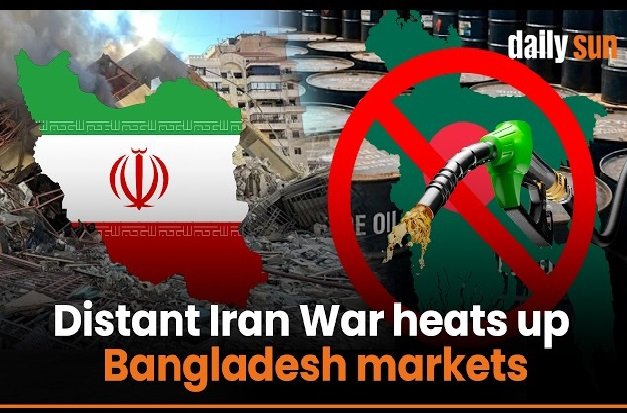
The Iran war, which began on February 28 when the US and Israel launched strikes on Iran, has caused a worldwide energy crisis and sent fuel prices soaring. On April 8, a temporary ceasefire was reached, but a durable peace agreement remains elusive. Furthermore, the Strait of Hormuz through which before the war one-fifth of the world’s oil and natural gas supplies were shipped, largely to Asian countries remains under the control of Iran while the US has a naval blockade of Iranian ports in place. All this has caused major disruptions to energy supplies worldwide and caused the price of oil to rise to about $100 a barrel, compared with its pre-war price of about $66.
 Garment industry
The ready‑made garment industry, which accounts for more than 80 percent of Bangladesh’s export earnings, has also been hit. Bangladesh’s factories import much of their raw materials from China. The shipments are routed via the Red Sea and the Middle East, so recent shipping disruptions have pushed up import costs. Sayeed Ahmed Chowdhury, director of the fabrics manufacturer Square Denim, told the Bangladesh newspaper The Financial Express that he expected work orders to decline by about 20 to 25 percent in the next season.
Cost of raw materials
The disruptions to supply chains have impacted other industries in Bangladesh as well. Raw material prices for plastic products have also risen.
Rising crude oil prices have caused the price of resin, derived from crude oil and a key raw material for plastic, to spike. Bangladesh’s Daily Star newspaper reported that resin, which used to cost about $900 to $950 per ton, is now selling for closer to $1,500 to $1,600.
Rising foreign debt costs
Bangladesh’s external debt has risen in recent years as the government borrowed more to fund infrastructure projects and shore up its balance of payments, leaving the country with a moderate but growing debt burden and higher foreign‑currency repayment pressures, according to IMF assessments.
What is Bangladesh’s history with the IMF?
Bangladesh is already in the middle of a $5.7bn IMF program that began in 2023 and was due to run for four years. (Int’l Monitoring Desk)