 Pressmediaofindia
Related Articles


20-06-2026
TEHRAN/ DUBAI: When President Donald Trump announced the US deal with Iran on Sunday and declared the “opening” of the Strait of Hormuz, his Truth Social post ended with the words “Ships of the World, start your engines. Let the oil flow!”
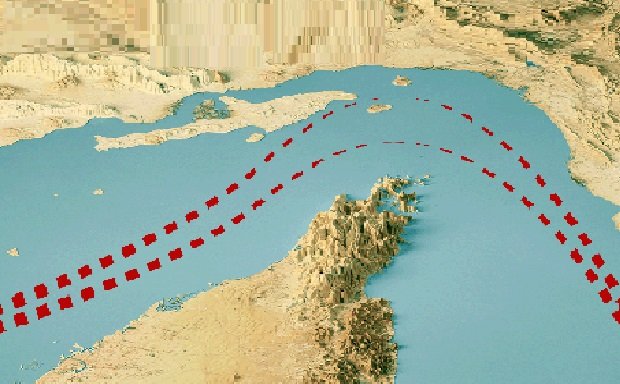 Media analysis of MarineTraffic ship-tracking data, however, shows that just seven vessels appear to have passed through the critical waterway since the deal was announced and as many as 580 ships appear to be waiting in the Gulf.
Tehran effectively closed the Strait of Hormuz, through which about a fifth of the world’s oil and gas supplies are usually transported, following US and Israeli strikes on 28 February.
Experts say there are significant obstacles preventing traffic from returning to the levels seen before the conflict began security, mines and tolls.
Ship-tracking data from MarineTraffic on Tuesday shows there are more than 250 tankers and more than 330 cargo ships inside the Gulf.
About 75% of the tankers are stationary, the data suggests. Satellite imagery shows that many are gathered near major oil export terminals in Saudi Arabia, Iraq and the UAE. The total number of vessels in the area is likely to be higher as many ships are not broadcasting their location and do not appear in MarineTraffic’s data.
“The first thing we would probably see when traffic picks up through the strait is an exodus of the vessels that are trapped inside the Gulf,” said Naveen Das, senior oil analyst at trade analytics firm Kpler but so far, that does not appear to be happening.
- Security and safety
“It would take an extremely brave captain to transit through the Strait of Hormuz, given the current state,” Martin Kelly of crisis management firm EOS Risk Group told media.
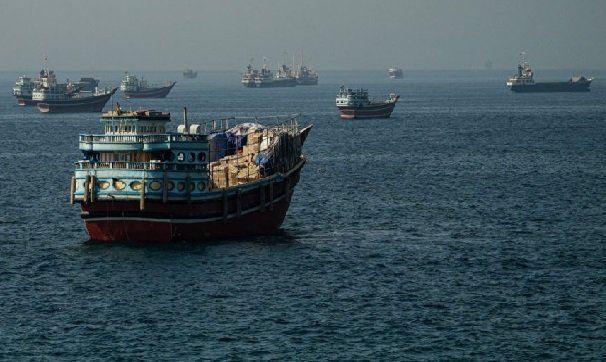 Since Iran began effectively blocking the Strait of Hormuz in late February, it has fired on ships attempting to make the crossing without its permission.
- Mine threat
Iran threatened early in the conflict that if its coastline or islands were attacked, it would place “various types of sea mines, including floating mines that can be released from the coast” in the Gulf, according to Iran’s semi-official Fars news agency.
- Tolls or fees
As a natural waterway through the territorial waters of Iran and Oman, vessels have historically been free to pass through the Strait of Hormuz without payment.
While neither the US nor Iran are party to the United Nations Convention on the Law of the Sea, which commits countries to allow safe passage through their waters, experts say the US position is that free passage through the Strait of Hormuz is part of customary international law.
Iran’s Fars news agency has reported that under the new deal with the US the strait would ultimately be managed by Iran in co-ordination with Oman, including possible “service fees” for ships to transit the waterway. It is unclear what services such a fee would pay for.
Any new payment system for using the strait would “add another spanner into the works” which may add a “logistical limit or a chokehold” on how many ships can pass through each day, said Das.
“Who is enforcing it? How will it be enforced? How will fees get collected? What do other Gulf countries feel about that?” Das added.
Many of these questions may be answered during the negotiation period between Iran and the US after Friday’s deal is signed, but experts say it is unlikely that Tehran will allow ships to pass through the Strait of Hormuz as freely as it did before the conflict began. (Int’l News Desk)