 Pressmediaofindia
Related Articles


18-04-2026
TEHRAN: Iran has demanded that it receive compensation for the destruction caused by the United States and Israel’s attacks, as the country remains defiant and regional powers continue their attempts to mediate an end to the conflict.
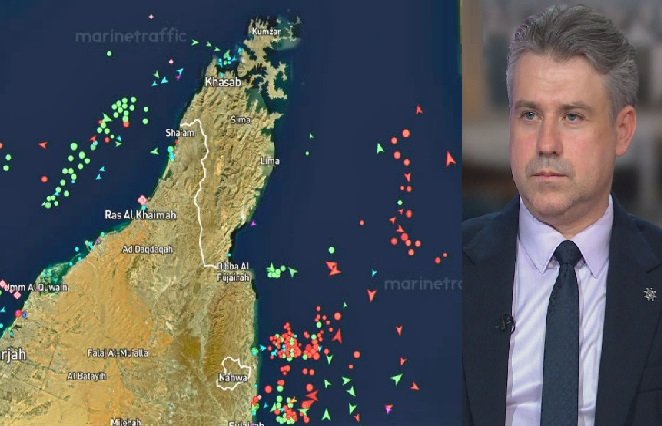 Tehran’s envoy to the United Nations said on Tuesday that five regional countries must pay compensation, based on his accusation that their territories were used for launching attacks on Iran.
Iran has also raised the idea of compensation for damages to come through a Strait of Hormuz protocol, which would include a tax on ships passing through the waterway.
An early estimate indicates that Iran has suffered about $270bn in direct and indirect damages since the start of the US-Israel war on February 28, Iranian government spokeswoman Fatemeh Mohajerani said during an interview with Russia’s RIA Novosti news agency, published on Tuesday.
She did not provide further information, such as a breakdown of the damages but said the issue of compensation was discussed in last week’s negotiations between Tehran and Washington in Pakistan, and will be raised in any potential future talks with the US and mediators.
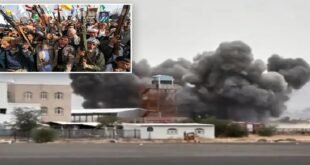
The government has said it is still assessing the extensive damage dealt to Iran’s critical infrastructure, after oil and gas facilities, petrochemical companies, steel plants, and aluminium factories were repeatedly targeted, in addition to military complexes. These will take years to fully rebuild.
Bridges, ports and railway networks, universities and research centres, and several power plants and water desalination plants were also directly hit, while a large number of hospitals, schools and civilian homes were damaged or destroyed.
 Spokeswoman Mohajerani told Iranian state media earlier this week that “existing economic realities” mean that the government does not have the resources to repay civilians if their homes have been damaged or destroyed by US-Israeli attacks.
Meanwhile, the secretary of the Association of Iranian Airlines, Maghsoud Asadi Samani, told Iranian media that 60 civilian aircraft had been put out of commission, with 20 completely destroyed by the US and Israel.
The official said that Iran only has about 160 passenger aircraft still in operation, most of them decades old and kept in the air through maintenance work that has been difficult due to the shortage of parts and services as a result of stringent US sanctions.
Samani said airlines also lost much of the revenue they had expected to come in during the Nowruz or Persian New Year holidays in late March, and that their accumulated losses exceeded 300 trillion rials (about $190 million at the current exchange rate) in 40 days of war.
Several of the country’s international airports, including in Tehran, Tabriz, Urmia and Khorramabad, were significantly damaged after numerous attacks hit their runways, control towers and hangars.
Despite the scope and depth of the damage, as well as the impact of the US naval blockade on Iranian ports that began on Monday, Iranian authorities have signaled that they do not intend to give major concessions in negotiations with Washington, including on nuclear enrichment.
Ebrahim Rezaei, the spokesman for the hardline-dominated parliament’s National Security and Foreign Policy Commission, said in a social media post that the two-week ceasefire announced last week must not be extended, arguing that it would give the US and Israel a chance to replenish their arms stocks and improve positions for attack. (Int’l Monitoring Desk)