 Pressmediaofindia
Related Articles



01-05-2026
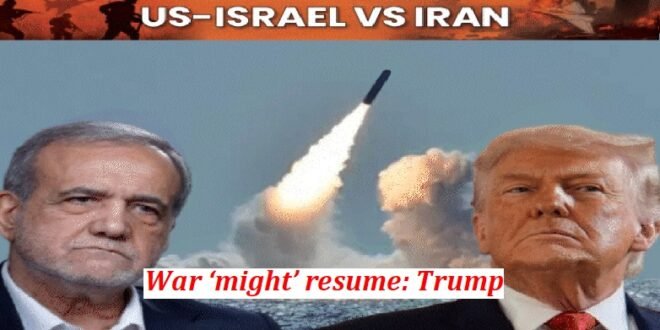
TEHRAN/ WASHINGTON: Iran’s President Masoud Pezeshkian said the US naval siege of Iranian ports amounts to an “extension of military operations” by Washington and is “intolerable”.
US President Donald Trump says “we might need” to restart war with Iran, adds that “nobody knows what the talks are except myself and a couple of other people”.
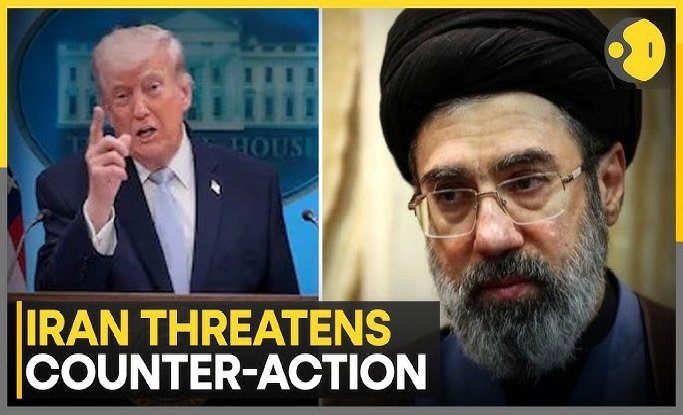 Iran’s semi-official Tasnim news agency reports that air defence activity heard in Tehran is part of efforts to counter “small aircraft and reconnaissance drones”.
Israeli attacks on southern Lebanon have killed more than 30 people in a single day, Lebanon’s National News Agency reports, further undermining the US-backed “ceasefire” between the Lebanese government and Israel.
Israel said it will transfer 175 activists from the Gaza-bound Global Sumud Flotilla, who were detained by Israeli forces in international waters, to Greek authorities amid international criticism of Israel’s actions more than 1,000km (620 miles) from the war-torn Palestinian territory.
Visit our live tracker for the latest casualty figures from across the region.
Some US companies accustomed to high levels of military spending
Dan Grazier, a senior fellow at the Stimson Center think tank in Washington, DC, told media that the US has been on a “permanent war” footing for 25 years since September 11, and this has seen defence spending increase “drastically”.
“And so, a lot of companies in the United States and a lot of people just writ large in the national security establishment, really got used to having high defence budgets,” Grazier told media, adding that it’s not easy to find an “off ramp” from such spending once it has become entrenched.
“And so the best way to keep defence spending high, is to have another war,” he said, adding that the missiles and bombs that are being dropped during the Iran war “are going to have to be replaced”.
“And that’s a lucrative prospect for companies like Lockheed Martin and RTX.”
 US President can reset the ‘clock’ on war despite War Powers Resolution limit
Bruce Fein, a US constitutional and international law expert and former US associate deputy attorney general, has been speaking to Al Jazeera about the legal complexities and constitutional implications of the War Powers Resolution, which requires a US president to seek congressional approval for a conflict that extends beyond 60 days.
“I was there when the War Powers Resolution was passed in 1973. It’s in many respects very incoherent,” Fein told media, noting that a statute cannot “override the United States Constitution, which is unequivocal; only Congress can authorize a transition from peace to war unless we’ve actually been attacked”.
Tehran did not attack the US, Fein said, describing the war as a “criminal war of aggression against Iran”.
“If you look at the War Powers Resolution, nowhere does it say the president can go to war for 60 days, and if Congress doesn’t now authorise it, then the war is over,” he said but Fein warned of loopholes in the law.
“A president can say at any time, ‘Oh, we haven’t bombed in 37 minutes. The war is terminated,’ so now you start the 60 days running again,” he said.
“There’s nowhere in the resolution that says, this is when the clock starts and this is when the clock stops.”
UN chief says Hormuz Strait closure is strangling global economy
In a post on social media, UN Secretary-General Antonio Guterres has said that ships being unable to safely navigate the Strait of Hormuz is disrupting “energy, transport; manufacturing and food markets” and strangling the global economy.
“The consequences of the Middle East crisis grow dramatically worse with each passing hour,” Guterres said, calling for dialogue and “solutions that pull us back from the brink”. (Int’l News Desk)