 Pressmediaofindia
Related Articles


16-05-2026
WASHINGTON: Optimism surrounding another set of peace proposals aimed at shaping a deal between Iran and the United States quickly faded this week as the two sides appeared to instead pull further apart, digging in and insisting that the other compromise for negotiations to resume.
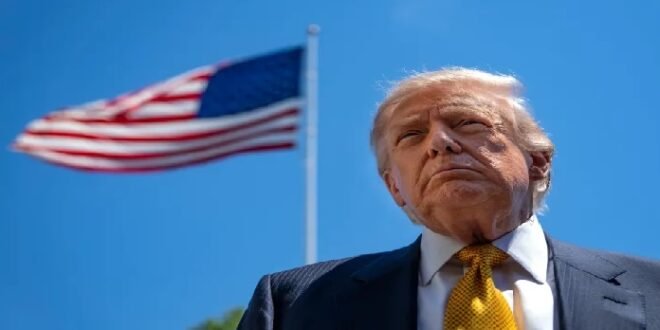
 US President Donald Trump has said that the already fragile ceasefire with Iran, in place since April 8, is now on “life support”, and members of his administration have increasingly hinted that the US could resume fighting but analysts say for all of Trump’s bluster on Truth Social, his preferred megaphone, the US president is now trapped between escalation and concession, with the region increasingly stuck in a grey zone of neither peace nor war.
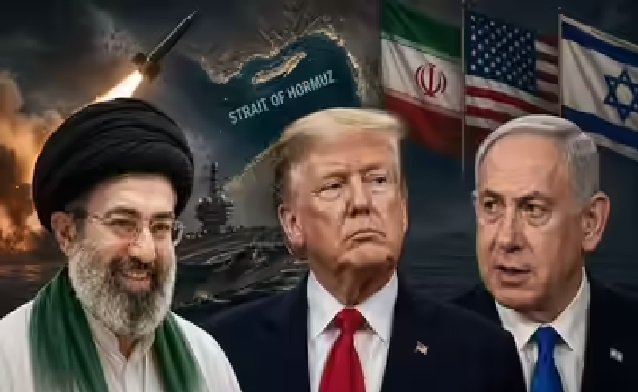
A resumption of hostilities remains possible, but the war is unpopular among Americans and could weigh heavily on Republicans ahead of crucial midterm elections. Yet extricating the US from the conflict and securing a deal may require Trump to concede ground to Tehran either on its nuclear program or over Iran’s role in the Strait of Hormuz, the world’s most important oil transit chokepoint through which roughly a fifth of global energy exports passes.
“The White House is left with a set of bad options,” said Allison Minor, a former official at the US State Department and National Security Council, and currently a director at the Atlantic Council’s Project for Middle East Integration.
Tehran wants an end to the war on all fronts, including Lebanon; it wants the first stage of negotiations to focus on ending hostilities before moving to a second step to discuss its nuclear program and support for proxy groups. It rejects the dismantling of its nuclear program, and wants sanctions to be lifted and the recognition of its influence over the key waterway. Trump has called its latest proposal with these demands “garbage”.
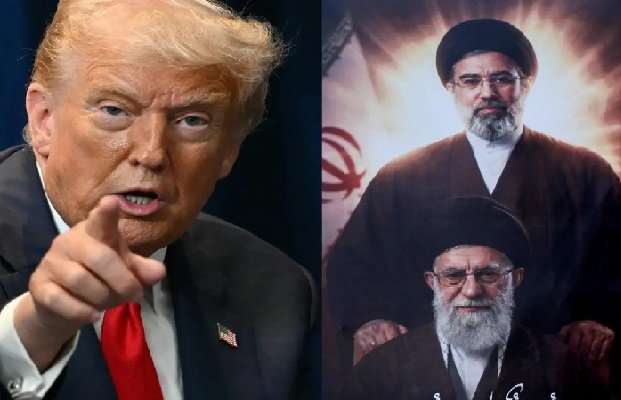 On Sunday, the US president hinted that more military moves may be needed, while Israeli Prime Minister Benjamin Netanyahu suggested the war was not over. Iran’s enriched uranium remains in the country even though it is likely buried under rubble from US and Israeli bombings last June. Iran’s enrichment sites have not been dismantled. And Tehran still retains its proxy networks and ballistic missile arsenal, Netanyahu said in a CBS interview. “There is work to be done,” Trump said but while the US and Israel could well resume attacks on Iran, the prospects of a protracted conflict with no end in sight could translate into a major political liability for Trump, said Ian Lesser, a distinguished fellow at the German Marshall Fund of the United States. “Things don’t evolve the way either side might assume,” he said, noting that the Iranian leadership has already proven to be more resilient and durable with a higher threshold for physical and economic pain than the US administration had expected. To add to that, renewed fighting would affect US abilities to respond to threats elsewhere, including in the Indo-Pacific region, Lesser said, amid mounting concerns over depleted US ammunition stockpiles after five weeks of bombing Iran. A report by the Center for Strategic and International Studies warned that the conflict had already reduced Washington’s readiness for other potential confrontations, particularly with China.
Iran has already shown what would happen should the US and Israel resume bombing it, with Gulf allies bearing the brunt of it. After Trump announced “Project Freedom”, an initiative to force the opening of the narrow waterway to allow stranded vessels to transit, Iran responded with a barrage of missiles and drones targeting the United Arab Emirates. US officials argued that the attacks were not enough to be considered a breach of the fragile ceasefire agreed upon in early April, a signal of the Trump administration’s lack of appetite to pick up fighting again, observers said. (Int’l Monitoring Desk)