 Pressmediaofindia
Related Articles

11-05-2026
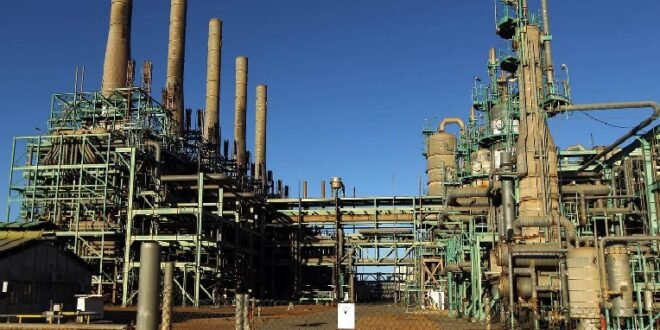
TRIPOLI: Libya’s largest operational oil refinery at Zawiya has been shut down and an emergency declared following fighting between armed groups nearby.
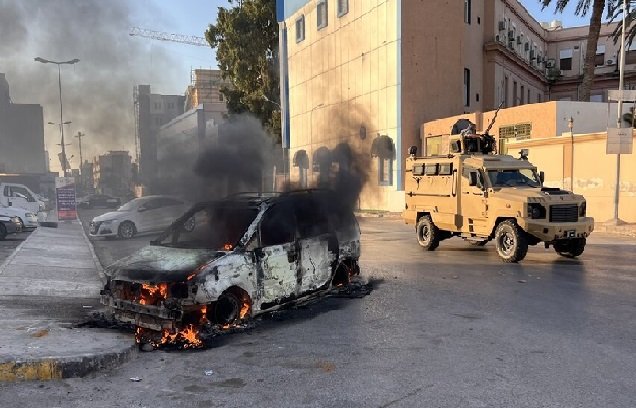 The National Oil Corporation (NOC) and Zawiya Refining Company announced a “precautionary halt” to operations and evacuated employees from the oil complex and port.
NOC confirmed the safety of all employees and added that fuel supplies would continue as normal.
A Facebook statement said alarm sirens were activated “following armed clashes involving heavy weapons that erupted around the oil complex in the early hours of Friday”.
“These clashes resulted in several heavy weapons projectiles landing in various locations within the oil complex,” adding that no significant damage had been reported.
“However, the clashes have intensified and reached the residential area adjacent to the refinery, making the area a direct target for heavy shelling and significantly increasing the risk of further damage,” it said.
Authorities in Zawiya, west of the capital Tripoli, said they had launched a “large-scale operation” against criminal groups, as fighting and explosions were heard, media reported.
The operation targeted “criminal hideouts and wanted individuals” who were “involved in serious acts”, the authorities said, citing “murder and attempted murder, kidnapping and extortion, drug, arms and human trafficking and illegal migration”.
Videos verified by media showed explosions and gunfire, as well as damage to several cars and facilities inside the refinery. The sound of sirens was audible after shells fell inside operational sites.
The Zawiya Refining Company called on all parties to cease fire immediately and for the Libyan authorities to intervene to protect lives and key facilities.
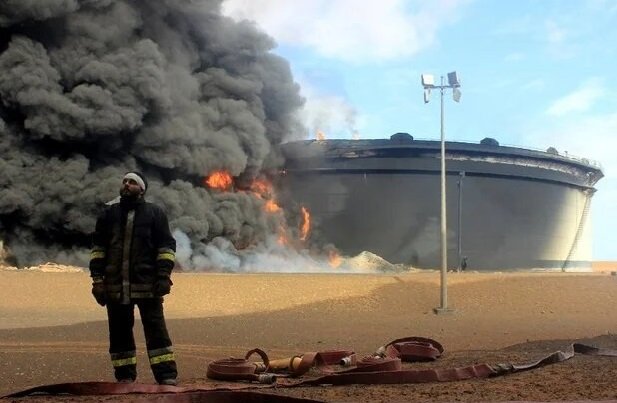 The refinery, around 40km (25 miles) west of Tripoli, has a capacity of 120,000 barrels per day. It is connected to the 300,000 bpd Sharara oilfield.
Since Muammar Gaddafi’s downfall in 2011, Libya has been plagued by violence between the Tripoli-based Government of National Unity (GNU), led by Prime Minister Abdul Hamid Dbeibah, and the eastern-based government, led by military leader Khalifa Haftar which is not internationally recognized.
It is unclear what caused the fighting but local media said it started following a security operation against armed groups.
In 2011, after nine months of fighting, a NATO imposed no-fly zone and plenty of fiery speeches from the “King of Kings”, Libyan rebels killed Muammar Gaddafi in October, ending his 42-years of dictatorial rule.
A grassroots rebellion to some and an example of foreign meddling to others, the Libyan people are set to build a new future without the “Brother Leader” and his infamous Green Book. Unlike rebellions in Tunisia and Egypt, Libya’s conflict looked more like a conventional war than a series of protests. After demonstrators were met with live ammunition from Gaddafi’s forces, rebels armed themselves and took control of Benghazi on February 20. Rebels used the eastern city as a base to launch attacks on Gaddafi strongholds in the rest of the country.
The rebellion began with poorly trained young men taking leave from office jobs to drive pick-up trucks, mounted with jerry-rigged heavy weapons but with time and foreign training, the rebels became a reasonably effective military force.
The National Transitional Council (NTC), the umbrella group for rebel fighters led by defectors from Gaddafi’s government, gained recognition in western and Arab capitals. (Int’l News Desk)