 Pressmediaofindia
Related Articles



16-05-2026
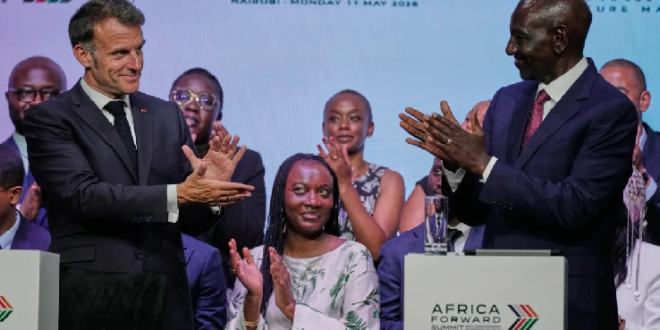
NAIROBI: France’s President Emmanuel Macron has hosted a high-level meeting of heads of state and business leaders alongside his Kenyan counterpart, William Ruto, as Paris continues to pivot to other parts of the continent due to its strained relations with French-speaking West African countries.
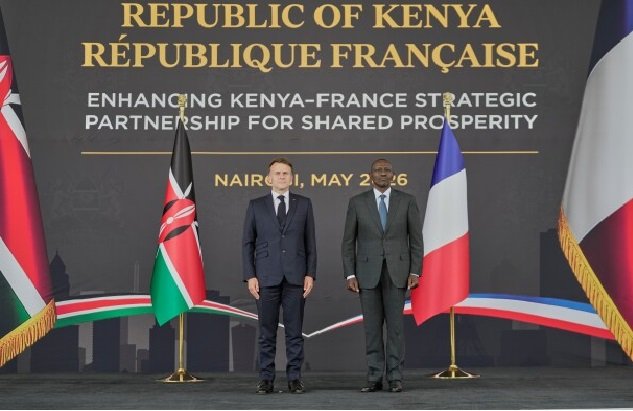 The conference, which was held on Monday and Tuesday in Kenya’s capital, Nairobi, was France’s first Africa summit in an English-speaking country.
Due to colonialism, French influence on the continent has been strongest in central and West African Francophone countries, which include those in the arid Sahel region separating the Sahara from the coastal south.
However, as insecurity has continued to rack Sahelian countries from Mali to Niger over the last decade, anti-French sentiment has grown due to failed French military interventions and beliefs that Paris was interfering in the affairs of its former colonies.
France’s influence has shrunk dramatically across West Africa in recent years, with some countries turning to alliances with Russia.
Now, France says it wants to “overhaul” its engagement with African countries by pivoting to Anglophone countries where it lacks a colonial legacy. The summit in Nairobi was once such an attempt.
Was it a success? Here’s what happened at the summit:
What happened at the summit?
Macron announced on Tuesday that France would invest 23 billion euros ($27bn) in African countries, particularly in energy, artificial intelligence, and culture.
Kenya’s President Ruto, for his part, reiterated several times that the new partnership must respect the sovereignty of African countries.
 It “must not be built on dependency but on sovereign equality, not on aid or charity but on mutually beneficial investment, and not on extraction or exploitation but on win-win engagements”, Ruto said.
However, France’s new investments were overshadowed by online backlash that trailed some of Macron’s actions at the summit.
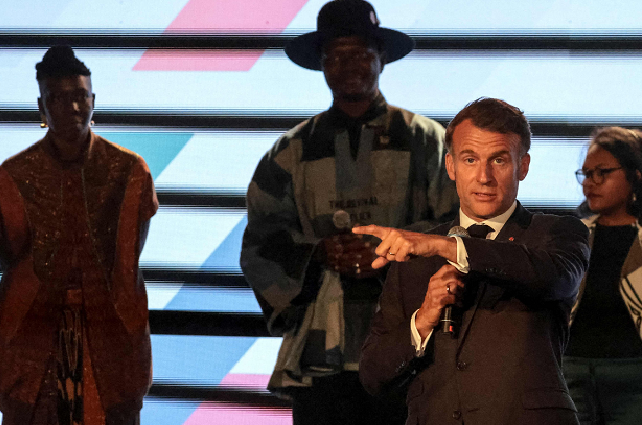
He interrupted an ongoing panel of young artists on one occasion by stepping on stage to scold the audience for murmuring, saying it showed a “total lack of respect”.
Macron also claimed at a news conference during the summit that he was “a true Pan-Africanist”, which critics argue is cultural or political appropriation.
Ahead of the summit, the French president had said that Paris wanted “to build partnerships on an equal footing, founded on shared interests and tangible results” but his controversial statements at the Nairobi summit raised questions among many Africans on social media about how seriously France will take its promises.
“It’s too early to tell if this is a successful pivot, as the partnership has only just been established,” Beverly Ochieng, Dakar-based West Africa analyst at intelligence firm Control Risks, told Al Jazeera.
Any success, she added, would depend on how Paris and new partners like Kenya manage the shadows cast by growing anti-France sentiments on the continent.
“Alongside this is whether France’s economic and cultural investments, a shift from focusing on military and development aid are indeed on equal footing, are responsive to contemporary political pressures, and facilitate growth and productivity in Africa,” she said.
France maintains significant colonial-era influence in defence, currency, and commerce in “Francafrique”, which refers to France’s historical sphere of influence in Africa. Paris has long maintained a military presence in the former colonies. Following the wave of independence movements in the 1960s, France granted independence to several countries, but in most cases, did not remove military assets. (Int’l News Desk)