 Pressmediaofindia
Related Articles



28-04-2026
By SJA Jafri
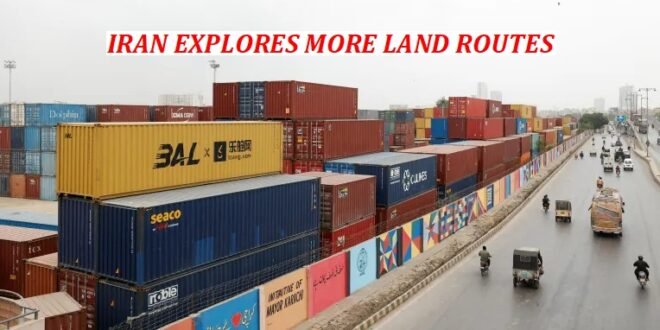
KARACHI: At Karachi port, the largest in Pakistan, over 3,000 stranded containers hold cargo that was meant to be shipped to Iran. What’s in them is not known but the vessels that were supposed to collect them have not arrived and with tensions in the Strait of Hormuz escalating, there is no clarity on when those ships might finally be able to reach Karachi.
 “Iran is collapsing financially,” Trump wrote on Thursday on Truth Social. “They want the Strait of Hormuz opened immediately- Starving for cash!”
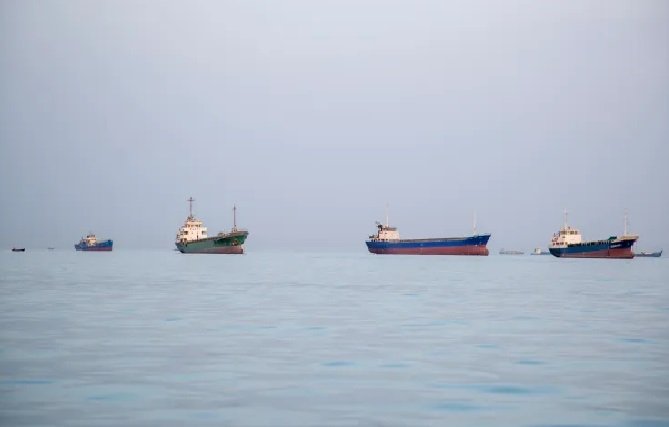
For the first six weeks of the US-Israel war on Iran that began on February 28, Tehran imposed an access system to control which ships transited the strait while also earning toll payments but since April 13, the Trump administration has imposed its naval blockade that has effectively stopped ships sailing through the strait that either left or were destined for Iranian ports.
The US naval blockade didn’t just hurt Iranian exports, the Trump administration effectively controls Iran’s ability to import goods it desperately needs. Analysts say, in some ways, that economic chokehold could exert even more pressure on Iran than the American military might.
“(Iran’s) storage reservoirs would fill quickly, some estimates suggest within a few weeks, forcing production shut-ins,” finance and policy analyst Javed Hassan, an adviser to the Islamabad-based Centre for Research and Security Studies (CRSS), told PMI.
“Export revenues, the state’s fiscal lifeline, would contract sharply and while Iran has improved domestic agricultural capacity, its food security still depends in part on imports and foreign exchange, another channel of pressure” but Hassan cautioned, Iran has also built “resilient architecture” during decades of surviving US-led sanctions. It already has millions of barrels of oil, some estimates suggest up to 170 million barrels that are on tankers already out at sea, well beyond the Gulf of Oman. That could “sustain export revenues for a couple of months”.
 Equally important, Hassan said, are overland and inland sea corridors that Iran can use and already is using, according to some reports. Some run through Central Asia and the Caucasus.
Iranian officials have also asked Pakistani counterparts for help in designing an alternative route for their goods.
A land route?
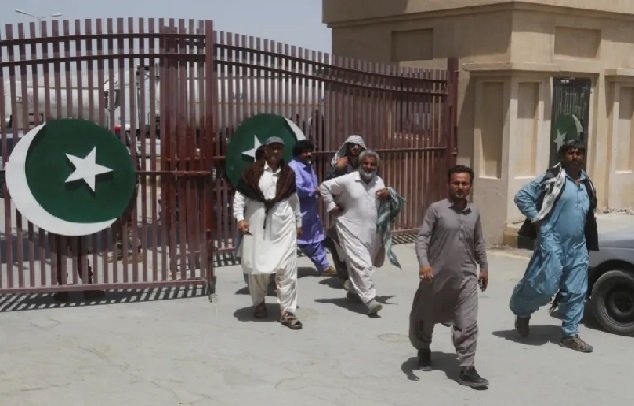
Documents shared between Pakistani industry leaders and government officials, and seen by media, show that Iranian and Pakistani business and industry leaders are discussing the possibility of a land route to send the stranded containers across the 900km border between the neighbors.
Pakistani officials confirmed the consultations, speaking on condition of anonymity because of the sensitivity of the subject and because the idea, for now, is just that; a possible answer to ease Karachi’s burden of hosting thousands of Iran-bound containers.
PMI has contacted the Iranian government for comment but did not receive a response when this article was written.
If the plan materializes, Pakistani trucks will carry the cargo to the border, then Iranian transport would take over.
The documents seen by PMI, suggest that Iran would even be willing to pay Pakistani truckers extra if they were willing to go all the way to the eventual destination inside the Islamic Republic, despite the land route being slower and more expensive than shipping.