 Pressmediaofindia
Related Articles


30-04-2026
Bureau Report
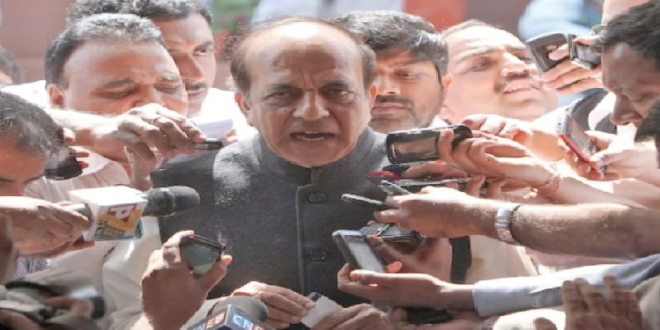
NEW DELHI: Former Union minister Dinesh Trivedi has been appointed as India’s next high commissioner to Bangladesh, replacing career diplomat Pranay Verma. The rare political appointment comes as New Delhi and Dhaka seek to repair strained ties following political upheaval in Bangladesh. Trivedi’s political roots in West Bengal and Bengali fluency are seen as strategic assets in managing the sensitive relationship.
 A rare political appointment to Dhaka
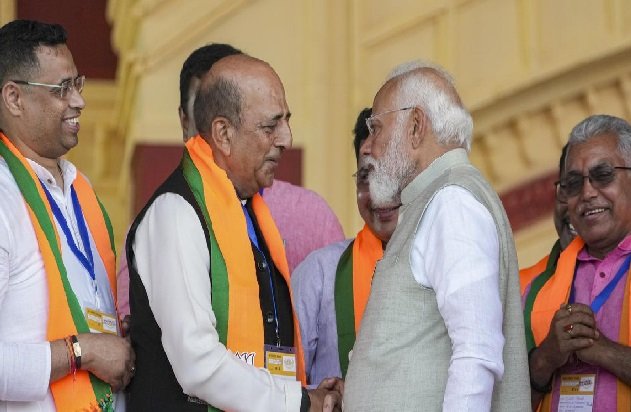
Dinesh Trivedi’s selection as India’s next high commissioner to Bangladesh marks the first political appointee to head a mission in a neighboring country in over three decades. Traditionally, such posts are held by senior Indian Foreign Service officers, but Trivedi’s political background, Bengali fluency and West Bengal roots are seen as potentially valuable in engaging Dhaka’s new leadership. He succeeds Pranay Verma, who moves to Brussels as India’s ambassador to the EU, at a time when bilateral relations are in flux.
Diplomatic shift signals political repair
Analysts suggest the Modi government’s choice of a politician over a career diplomat signals a deliberate shift from bureaucratic management to political outreach. The move comes after the BNP-led government of Tarique Rahman took power, replacing an interim administration that strained ties with India. The appointment may reflect New Delhi’s assessment that repairing trust requires political capital rather than protocol-driven diplomacy.
India–Bangladesh ties deteriorated sharply after Sheikh Hasina’s exit in August 2024 and the rise of Muhammad Yunus’s interim government, which leaned towards China. Relations began improving after Tarique Rahman’s BNP secured a landslide victory, prompting high-level visits and discussions on trade, energy, and connectivity. However, unresolved issues such as the extradition of Hasina and security cooperation remain potential flashpoints.
Future scenarios for India–Bangladesh engagement
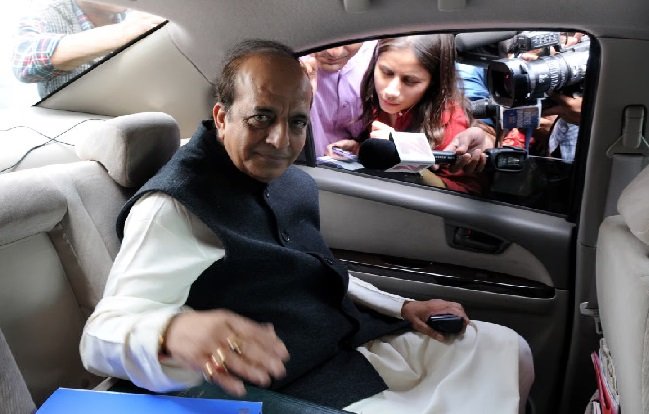 If Trivedi leverages his political and cultural ties effectively, India could see progress on urgent matters like the Ganga Waters Treaty renewal in December 2026, energy cooperation, and countering Chinese influence. Alternatively, his lack of diplomatic experience could hinder negotiations, risking further setbacks in a relationship already tested by recent political shifts in Dhaka. The appointment is thus both a gamble and a potential turning point in South Asia’s strategic balance.
Trivedi, 75, a former railways and health minister, joined Prime Minister Narendra Modi’s Bharatiya Janata Party in 2021 from a regional party in West Bengal, a border state that plays a key role in India’s ties with Bangladesh and where Modi has been seeking to expand his party’s influence in ongoing local elections.
“He is expected to take up the assignment shortly,” India’s Ministry of External Affairs said in a statement about Trivedi.
Relations between the two countries began improving only after an election in February brought Tarique Rahman of the Bangladesh Nationalist Party to power, replacing an interim government that had veered strongly towards China.
Bangladesh was part of India in the colonial era and became East Pakistan at the end of British rule in 1947. New Delhi helped Bangladesh win independence from Pakistan in 1971.
Bangladesh’s foreign minister visited Delhi this month seeking increased fuel and fertilizer supplies, closer energy cooperation and eased travel restrictions, but one of the biggest sticking points remains India’s refusal so far to extradite Hasina.