 Pressmediaofindia
Related Articles



Lentils and legumes, such as urad dal, masoor dal, and chickpeas, are rich in protein and fibre.
Hyderabad, Oct 14 (PMI) High blood pressure has become a serious health concern, affecting the health of millions of people and putting their hearts at risk. According to figures cited from the Indian Council of Medical Research (ICMR) and the World Health Organization (WHO), one in every four adults in India suffers from high blood pressure. More concerning is that more than half of those affected are unaware of their condition. Factors such as poor dietary habits, an unhealthy lifestyle, excessive mental stress and lack of physical activity contribute to this situation.
If left untreated, high blood pressure can cause serious damage to the heart, kidneys and brain. However, medical research indicates that dietary changes, along with appropriate medication, can help keep blood pressure under control.
This report examines foods that may help regulate blood pressure and support heart health.
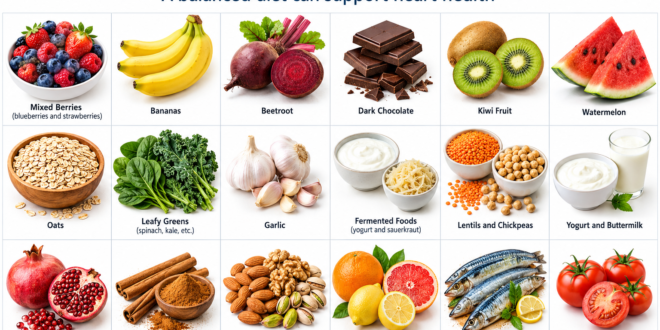
18 Foods That May Help Control Blood Pressure
1. Berries
Berries such as blueberries and strawberries contain a powerful antioxidant called anthocyanin. It helps maintain the flexibility of blood vessels and may reduce pressure on the arteries. Berries can be included in breakfast or eaten as a healthy snack.
2. Bananas
Bananas are rich in potassium, which helps counter some of the adverse effects of excessive sodium (salt) intake. Eating a banana daily may help reduce pressure on blood vessel walls.
3. Beetroot
Beetroot is naturally rich in nitrates. After digestion, these compounds are converted into nitric oxide, which helps relax and widen blood vessels. This improves blood flow and may help lower blood pressure.
4. Dark Chocolate
Dark chocolate, particularly varieties containing a high percentage of cocoa and less added sugar, contains compounds known as flavonoids. These may support blood vessel health and help lower blood pressure. However, dark chocolate should be consumed in moderation because of its calorie content.
5. Kiwi Fruit
Research suggests that eating two kiwis daily before breakfast may help reduce systolic blood pressure. Kiwi fruit is also rich in vitamin C, which supports the immune system.
6. Watermelon
Watermelon contains an amino acid called citrulline, which the body converts into arginine. This process supports the production of nitric oxide, helping blood vessels relax. Watermelon, particularly during summer, can contribute to hydration and may support blood pressure management.
7. Oats
Oats contain soluble fibre known as beta-glucan. This fibre helps lower blood cholesterol and may contribute to better blood pressure control. Including oats in breakfast is a heart-healthy dietary choice.
8. Green Leafy Vegetables
Leafy vegetables such as spinach, kale, and collard greens are rich in nitrates and potassium. Including green vegetables in meals three or four days a week can be a simple way to support healthy blood pressure.
9. Garlic
Garlic contains a compound called allicin, which has various biological properties. Regularly including garlic in meals may help improve blood circulation and support arterial health. Some research suggests that garlic preparations may also help reduce blood pressure.
10. Fermented Foods
Fermented foods such as yoghurt and sauerkraut contain beneficial bacteria known as probiotics. These support gut health and may indirectly contribute to blood pressure regulation. Apple cider vinegar is also mentioned in the original report, although evidence for its blood pressure benefits is limited.
11. Lentils and Legumes
Lentils and legumes, including urad dal, masoor dal and chickpeas, are rich in protein and fibre. Including them regularly in the diet supports overall cardiovascular health and may help maintain healthy blood pressure.
12. Yoghurt
Unsweetened yoghurt and buttermilk may help support blood pressure management. They can provide calcium and, in some cases, beneficial probiotics, which contribute to overall health. Choose products with little or no added sugar and avoid excessively salty varieties.
13. Pomegranates
Pomegranates contain antioxidants that may help protect blood vessels. Some research suggests that regular consumption of pomegranate juice may help reduce both systolic and diastolic blood pressure. However, it should be consumed in moderation, particularly by people who need to monitor their sugar intake.
14. Cinnamon
Cinnamon is commonly used in cooking and contains compounds with potential health benefits. Some studies suggest that it may help improve blood sugar control and could have a modest effect on blood pressure. Adding a small amount of cinnamon powder to tea or breakfast may be an option, but it should not replace prescribed treatment.
15. Nuts
Walnuts, pistachios and almonds contain healthy fats, magnesium and other nutrients. Eating a handful of unsalted nuts daily may support heart health and help with blood pressure management.
16. Citrus Fruits
Fruits such as oranges, lemons and grapefruit contain vitamin C and other beneficial plant compounds, including hesperidin in certain citrus fruits. Eating whole citrus fruits or drinking unsweetened juice in moderation may support blood vessel health. People taking medication should consult their doctor before consuming grapefruit because it can interact with certain medicines.
17. Fatty Fish
Fish such as sardines, mackerel and tuna contain omega-3 fatty acids. Eating fish about twice a week may support heart health and help reduce cardiovascular risk. Fish should preferably be prepared with limited salt and unhealthy fats.
18. Tomatoes
Tomatoes contain lycopene, an antioxidant associated with cardiovascular health. Tomato paste and other tomato-based products may help support blood pressure control. Choose products with low sodium content, as some packaged tomato products contain considerable amounts of salt.
Dietary and Lifestyle Changes That Matter
Reduce Salt Intake
Reducing the amount of salt used in cooking is an important first step. Limit high-salt foods such as pickles, papad and salted dried fish. Excessive sodium intake can raise blood pressure.
Avoid Excessively Processed Foods
Limit packaged snacks, ready-to-eat meals and other highly processed foods because they often contain large amounts of sodium. Check nutrition labels before purchasing packaged products.
Monitor Coffee and Alcohol Consumption
Excessive caffeine intake may temporarily increase blood pressure in some people. Alcohol can also contribute to elevated blood pressure, particularly when consumed in large quantities. Limiting or avoiding alcohol is beneficial for overall health.
Adopt a Healthier Lifestyle
Lifestyle changes can play an important role in managing high blood pressure. These include:
- Walking for at least 30 minutes daily, as appropriate for one’s health.
- Exercising regularly.
- Practising meditation, relaxation techniques or breathing exercises to manage stress.
- Quitting smoking completely.
- Maintaining a healthy body weight.
- Checking blood pressure regularly and following medical advice.
A balanced diet rich in fruits, vegetables, whole grains, legumes, nuts and other nutritious foods can help support healthy blood pressure. Reducing salt, limiting processed foods and maintaining an active lifestyle are equally important.
Important health note: These foods may support blood pressure management, but they are not a substitute for prescribed medication or medical care. People with high blood pressure should monitor their readings regularly and consult a qualified healthcare professional before changing their treatment. (pressmediaofindia.com)