 Pressmediaofindia
Related Articles


14-04-2026
ABUJA: Nearly 400 people have been sentenced in Nigeria for links with militant Islamic groups following mass trials.
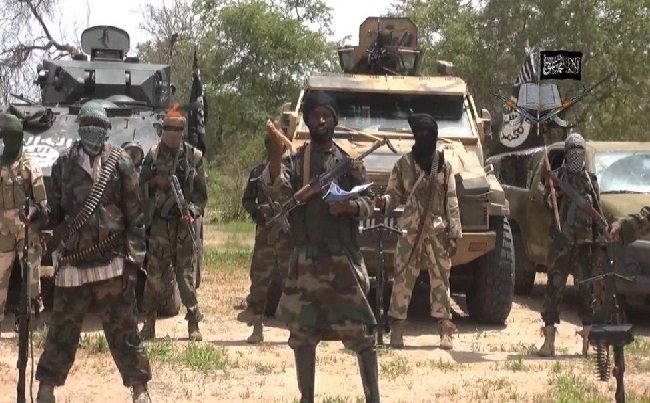 The convicts were given sentences ranging from five years to life imprisonment after linked to Boko Haram or a rival splinter group, the Islamic State West Africa Province (Iswap).
The trials came at a time when the government is under intense pressure to curb rising insecurity in Africa’s most-populous state. Security forces are battling multiple armed groups, from militant Islamists to separatists, and kidnapping-for-ransom gangs.
Boko Haram launched an insurgency in the north-east in 2009, killing tens of thousands of people and displacing more than two million, aid groups say.
On Wednesday, the US urged its citizens to reconsider travelling to the country because of the deteriorating security situation.
More than 500 suspects were put on trial in the federal high court in the capital, Abuja, on charges of either taking part in attacks or supporting the militants through funding, supplying arms, or giving logistical support.
On Friday, judges convicted 386 of them, while two were acquitted, eight were discharged, and the cases of 112 suspects were adjourned, officials said.
Five of the accused had pleaded guilty at the start of the trials to charges that included selling livestock, supplying food and information to the militant groups.
The US carried out airstrikes in northern Sokoto state on Christmas Day to target a militant Islamist group known as Lakurawa after President Donald Trump alleged that Christians were being persecuted in Nigeria.
The government denied Trump’s claim, saying that people of all faiths and no faith were victims of violence.
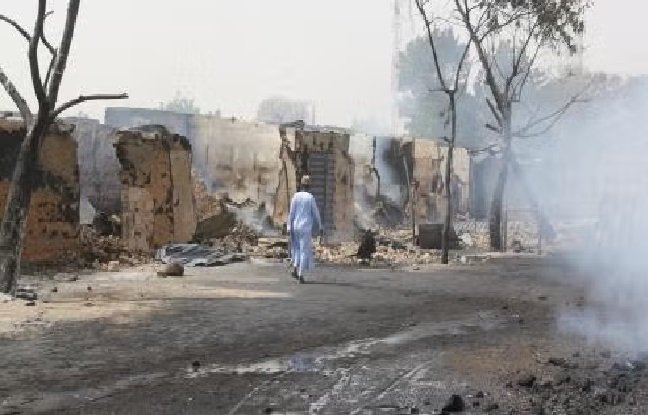 In November, last year, Nigeria is currently grappling with a spate of mass abductions but the vast country bigger than France and Germany combined also faces many other security challenges.
Recent attempts by US President Donald Trump and his supporters to frame the insecurity purely as the persecution of Christians overlooks the complexity of Africa’s most-populous nation.
There are more than 250 ethnic groups in Nigeria, which is roughly divided into a mainly Muslim north, a largely Christian south, with intermingling in the middle and the government says people of all faiths have been victims of attacks.
There are criminal gangs in the north-west, an Islamist insurgency in the north-east, clashes over land in central regions and separatist unrest in the south-east leaving the 400,000-strong army and the police force of 370,000 officers overstretched.
Here’s a breakdown of the main armed groups and flashpoints:
These criminal gangs, known locally as “bandits”, are largely composed of people from the Fulani ethnic group, who traditionally make their living by raising animals. They have traded their pastoral tools for assault rifles, which have flooded Nigeria and other states in the region since Libya descended into anarchy following the overthrow in 2011 of long-time strongman Muammar Gadaffi by Nato-backed forces.
The gangs are not known to be motivated by any religious or political ideology but see kidnapping people for ransom as a quick and easy way to make money rather than walking for miles with their livestock in search of water and grazing land.
They typically move in large numbers on motorcycles, which makes them highly mobile and allows them to strike quickly and escape before the security forces can respond, a tactic used during two recent school abductions.
Aleru is from Yankuzo town, an area in the north-western state of Zamfara which has been a hub for bandit activity over the last three years. (Int’l News Desk)