 Pressmediaofindia
Related Articles



08-02-2026
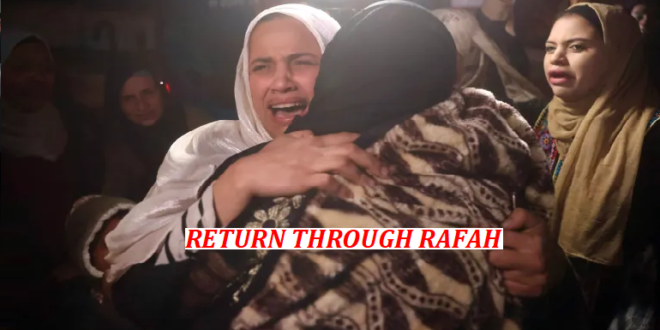
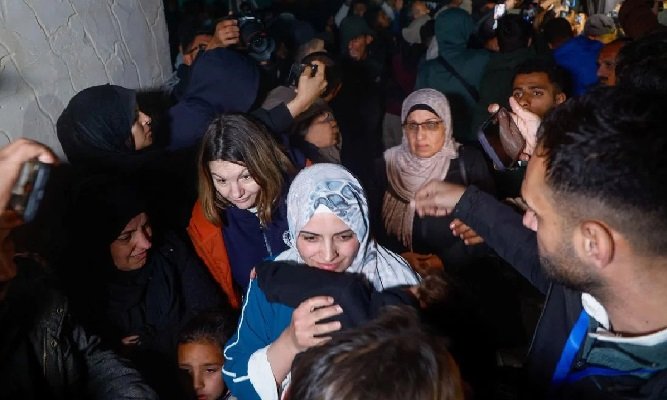
RAFAH/ GAZA STRIP: When Rotana al-Raqab learned that her name and her mothers were included on the first list of Palestinians allowed to return to Gaza through the Rafah crossing, she felt, briefly, that the long months she had spent stranded in Egypt were finally coming to an end but what she initially believed would be a path back to her five children instead turned into a grueling ordeal of hours of waiting, body searches, interrogations and humiliating treatment at the hands of Israeli forces.
 Rotana, 31, left Gaza last March with her mother, Huda Abu Abed, 56, seeking urgent medical treatment after being told she needed a major heart operation.
They left behind Rotana’s six children with family members, who at the time were displaced in the al-Mawasi area of Khan Younis.
Throughout the separation, Rotana says the fear of what was happening at home as Israel continued its genocidal war on Gaza, never left her.
“All that time, I was on edge, waiting for the crossing to open so that I could return to my children,” she told media.
“My husband was injured in an Israeli strike, and I was nearly going mad with fear and worry. I spoke with them every day despite how hard calls and internet access were.”
Rotana and Huda found out that they would be allowed to return to Gaza the day before the crossing partially opened on Monday.
They were contacted by the Palestinian embassy in Cairo, which gave them the news that they were among the names on the first list of those crossing.
The reopening of the crossing is part of the second phase of the Gaza ceasefire deal, which the United States said had begun in mid-January, despite the continuation of Israeli attacks on Gaza.
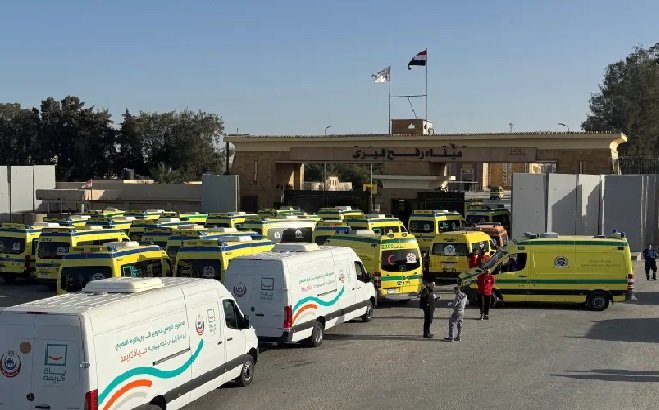
 Rafah is the only border crossing from Gaza that does not cross Israeli territory but it has been largely closed since Israeli forces took control of it in May 2024.
Multiple returnee testimonies indicate that the crossing is functioning only partially, allowing very small numbers of people to use it on each side.
Reports from the opening days show that some travelers were sent back at the Palestinian side of the crossing, despite having already cleared Egyptian procedures, often for unspecified “security screening” reasons, or over the size of their luggage, without a detailed official explanation from Israeli authorities.
According to Egyptian officials, roughly 50 people reached the Palestinian side of the crossing on Tuesday, but Israeli authorities forcibly returned 38 of them, permitting only 12 to enter Gaza after extensive searches, detentions, and interrogations.
Rotana describes approximately 50 travelers being present on the Egyptian side of the crossing on Monday.
After completing procedures there, the group waited for hours for the Palestinian side of the gates, under the control of Israel, to open, a delay that lasted until evening hours but even then, not everyone was allowed to pass.
“At first, they let nine people through and told (others) to wait. A little later, they let (some of us) pass, but the rest were sent back,” she said, adding that she believed Israel was behind the decision.
Egyptian media, citing Egyptian officials also reported that roughly 50 people reached the Palestinian side of the crossing on Tuesday, but that Israeli authorities forcibly returned 38 of them, permitting only 12 to enter Gaza after extensive searches, detentions, and interrogations.
Since its partial reopening on Monday, the Rafah crossing between Egypt and Gaza has allowed only very limited movement. (Int’l Monitoring Desk)