 Pressmediaofindia
Related Articles



31-12-2025
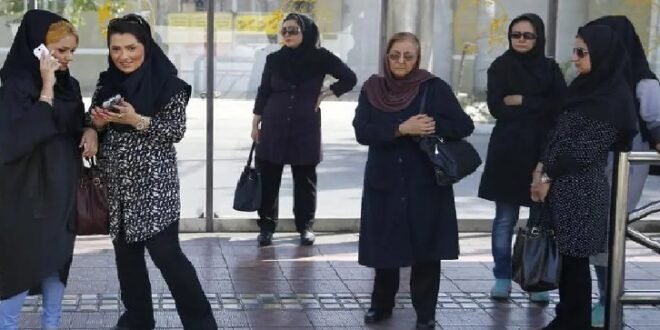
TEHRAN: On the streets of Iran’s capital, Tehran, young women are increasingly flouting the compulsory hijab laws, posting videos online that show them walking the streets unveiled. Their defiance comes more than three years after the killing of Mahsa Amini, a 22-year-old Kurdish woman taken into custody by the “morality police” for allegedly breaching the dress code rules. Her death led to the largest wave of popular unrest for years in Iran and a crackdown by security services in response, with hundreds of protesters killed and thousands injured.
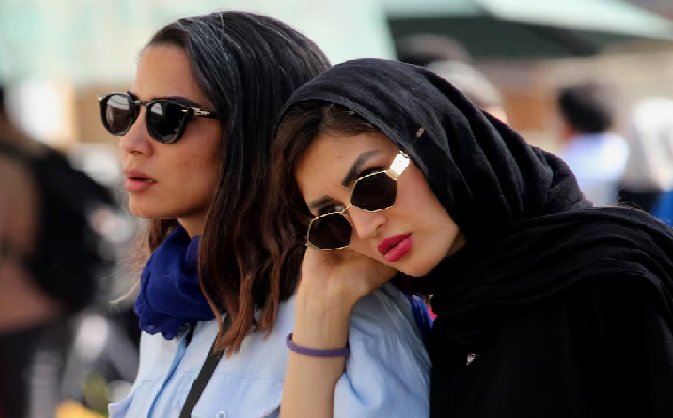 Under Iran’s “hijab and chastity” law, which came into force in 2024, women caught “promoting nudity, indecency, unveiling or improper dressing” face severe penalties, including fines of up to £12,500, flogging and prison sentences ranging from five to 15 years for repeat offenders.
The authorities have also encouraged members of the public to become “hijab monitors” through a state-backed reporting platform that allows them to report women for alleged violations.
In December, the country’s supreme leader, Ali Khamenei, said the hijab was crucial “to preserve the dignity of women and to restrain very strong and dangerous sexual urges”, heralding the start of a new push to enforce the dress code laws.
Within days, the security forces intensified their hijab enforcement. The organizers of a popular marathon race in Kish Island, off the southern coast of Iran, were arrested and accused of “violating public decency” for allowing women to run unveiled but speaking to the Guardian, women in Iran say public opinion has shifted and even more women are open to flouting the dress code rules despite the increase in arrests and penalties.
“We never needed Khamenei’s permission, nor do we need it now. The scenes you are witnessing are because we do not care what he has to say,” says Hoda*, a Tehran-based journalist.
“We are running out of water [referring to Iran’s water shortage crisis], there are growing labour protests and the war with Israel has left the administration weak. Hijab is an easy distraction while they deal with all these serious issues.”
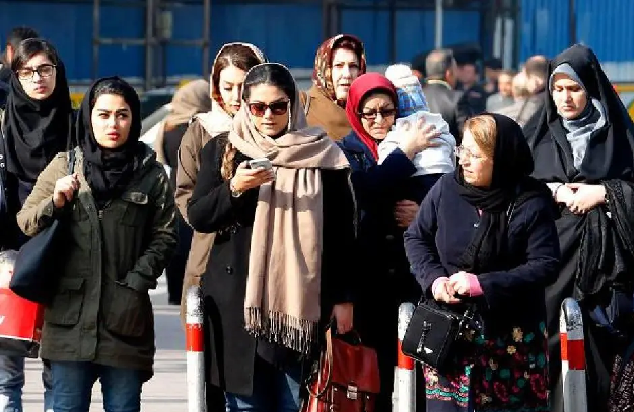 Although Hoda accepts that more women will be arrested, she says the Iranian authorities would avoid mass arrests because “last time they did it, they looked like fools across the world”.
In Tehran, Golnar*, a visual artist, believes young Iranians will not return to previous norms. She recently filmed a police officer warning teenagers who were playing music; the group ignored him. She says the regime, weakened by war and sanctions, “needs good PR” and cannot risk viral images of hijab arrests.
“Do I have it in the back of my head that I will be at any time dragged into a van? Yes, I am not going to lie. But the plan is to push the boundaries collectively, so they can’t break a few of us,” says Golnar.
Elsewhere in Tehran, Shaghayegh*, 22, pushes boundaries through an all-women motorcycle club. Women cannot obtain bike licences in Iran, yet her group rides weekly. “They have become very lax and don’t stop us anymore,” she says.
Shaghayegh says she no longer wears a headscarf off the bike. “If I wear a hijab now, I feel I’m undoing all the sacrifices so many Iranians have made. There’s no going back” while most viral videos come from Tehran, women in other provinces also report a shift in attitudes.
Leyla*, a business owner in the central Iranian city of Shiraz, says she has never seen the city so energized. “Honestly, it’s really hopeful to see. The fact that more and more women choose how they dress is exactly what makes them braver. These visuals are a proof of our bravery and not the reform that many pro-regime folks are pointing to.” * Names have been changed. (Int’l News Desk)