 Pressmediaofindia
Related Articles

28-02-2026
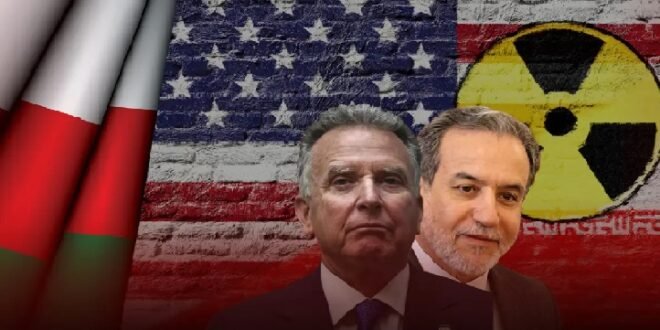
GENEVA: The US and Iranian officials are meeting in Geneva for a third round of indirect talks seen as crucial to averting conflict, with President Donald Trump threatening to strike Iran if a nuclear deal is not reached.
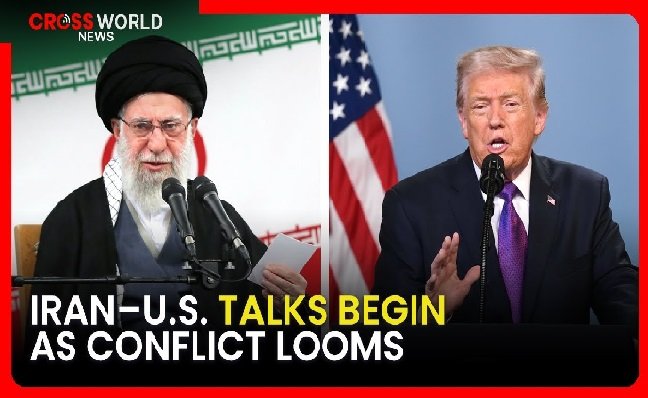 The discussions come amid the largest US military build-up in the Middle East since the US-led invasion of Iraq in 2003, and with Iran vowing to respond to an attack with force.
The talks are again being mediated by Oman’s Foreign Minister Badr Albusaidi, who said negotiators had “demonstrated unprecedented openness to new and creative ideas and solutions” but the chances of an agreement remain unclear.
While Trump has said he prefers to solve the crisis through diplomacy, he has also said he is considering a limited strike on Iran to pressure its leaders to accept a deal.
The president, however, has done little to explain what he is demanding in the negotiations and why there could be the need to take military action now, eight months after the US bombed Iranian nuclear facilities during a war between Israel and Iran.
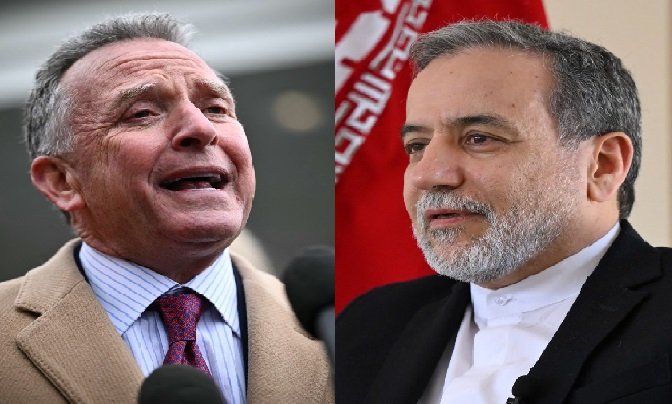
Iran has rejected the US demand to stop the enrichment of uranium in its territory, but there have been indications that it is prepared to offer some concessions about its nuclear program. As in the previous two rounds of discussions earlier this month, the Iranian delegation is led by Foreign Minister Abbas Araghchi, while the US is represented by special envoy Steve Witkoff and Trump’s son-in-law, Jared Kushner.
In recent weeks, the US has sent thousands of troops and what Trump has described as an “armada” to the region, including two aircraft carriers along with other warships, as well as fighter jets and refueling aircraft.
Trump first threatened to bomb Iran last month as security forces brutally repressed anti-government protests, killing thousands of people but since then, his focus has turned to Iran’s nuclear program, which has been at the centre of a long-running dispute with the West.
 For decades, the US and Israel have accused Iran of trying to secretly develop a nuclear weapon. Iran insists its program is only for peaceful purposes, though the country is the only non-nuclear-armed state to have enriched uranium at near weapons-grade level.
In his State of the Union speech to Congress on Tuesday, Trump briefly and vaguely talked about the tensions with Iran, without clearly laying out the case for strikes.
He said Iran was working to build missiles that would “soon” be capable of reaching the US, without giving details. He also accused the country of trying to “start all over again” with a nuclear weapons program following last year’s strikes, and said he could not allow the “world’s number one sponsor of terror… to have a nuclear weapon”.
The US struck three nuclear sites in Iran last June, as it joined Israel in its bombing campaign. At the time, Trump said the facilities had been “obliterated”.
Iran says its enrichment activity stopped after the attacks, although it has not allowed the International Atomic Energy Agency’s inspectors to access the damaged sites.
“They want to make a deal,” Trump said, “but we haven’t heard those secret words: ‘We will never have a nuclear weapon’.”
Hours before the speech, however, the Iranian foreign minister posted on social media that Iran would “under no circumstances ever develop a nuclear weapon”. Araghchi also said there was an “historic opportunity to strike an unprecedented agreement that addresses mutual concerns and achieves mutual interests”.
Reacting to Trump’s address, an Iranian foreign ministry spokesman accused the US of repeating “big lies” regarding its nuclear program, ballistic missiles and the number of protesters killed in the crackdown. (Int’l Monitoring Desk)