 Pressmediaofindia
Related Articles


30-03-2026
Bureau Report + Agencies
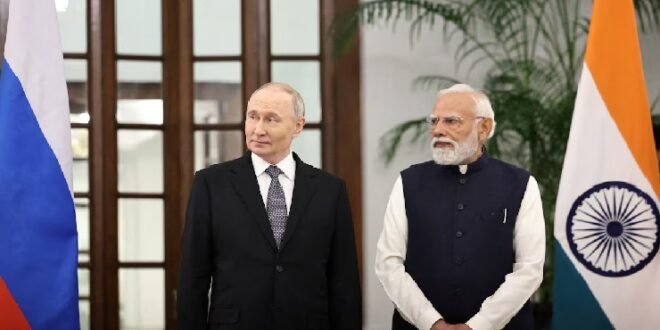
NEW DELHI: As India’s diplomats negotiated an accord that would ease punitive US tariffs on the South Asian country’s exports in January, New Delhi slashed its purchases of Russian crude oil in a move that was widely seen as a painful concession to President Donald Trump.
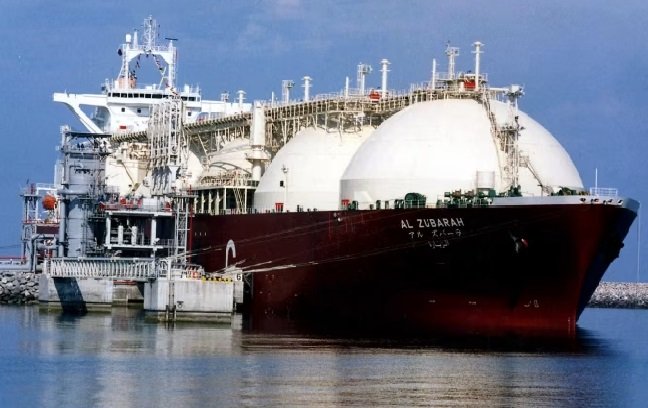 Just two months later, however, Delhi and Moscow are deepening their energy cooperation, with both sides agreeing to prepare for Russia to resume direct sales of liquefied natural gas for the first time since the start of the Ukraine war, according to two people familiar with the matter. If India decides to pursue the deal, which risks violating Western sanctions, negotiations could be concluded in weeks, one of the people said.
Details of the talks, which come amid skyrocketing energy prices triggered by the US-Israeli attack on Iran, have not been previously reported. The “verbal agreement” to negotiate an LNG deal was reached during a March 19 meeting between Russian Deputy Energy Minister Pavel Sorokin and Indian Petroleum and Gas Minister Hardeep Singh Puri in Delhi, the people said.
The two officials also agreed to further increase crude oil sales to India, which could double from January’s levels to at least 40% of India’s total imports in about a month, three people familiar with their deliberations said.
India became a major buyer of Russian crude that was heavily discounted after the invasion of Ukraine, which became a point of contention with the Trump administration. The world’s third-biggest oil importer and consumer purchased nearly $44 billion of crude from Moscow last year, playing a vital role in keeping the Kremlin’s wartime economy alive.
Delhi has separately told its energy importers to get ready to resume purchases of Russian LNG, one of the people said. India has already approached Washington about a possible sanctions waiver, according to the source and a second person familiar with the request.
 India’s external affairs and petroleum ministries did not respond to questions about the potential LNG deal before publication. When asked about this Reuters article at a briefing on Friday, foreign ministry spokesperson Randhir Jaiswal said that the government’s energy policy was based on its need to meet the requirements of 1.4 billion people, market dynamics and global conditions.
Indian authorities have also said they are purchasing cargos of Russian liquefied petroleum gas, which is largely used for cooking and isn’t under sanctions.
The Russian energy ministry declined to comment about any discussions with India, while the US Treasury Department did not address questions about sanctions relief.
The White House and Ukraine’s embassy in Delhi did not respond to requests for comment.
“India chose the course that best served its national interests, anchored in a long-standing and trusted partnership with Russia,” said Ajai Malhotra, a former Indian ambassador to Moscow.
Delhi should now “demand exemptions or accommodations as a normal part of negotiation between strategic partners,” he added, referring to Washington.
While India has been courted by the United States for decades as a strategic counterweight to neighboring China, the world’s fifth-largest economy has now been left reeling twice in less than a year by decisions initiated largely in Washington.
After years of buying crude oil from Moscow at discounted rates, Delhi sharply curtailed purchases after Trump in August imposed tariffs of as high as 50% on Indian goods, or among the most punitive levied on any country. The US Supreme Court has since ruled that Trump acted unlawfully in enacting such tariffs.