 Pressmediaofindia
Related Articles


07-01-2026
PORT MORESBY: In the lush hills of Papua New Guinea’s highlands, Ambua Lodge sits in picturesque but troubled surrounds. From this region, one of the country’s poorest and most dangerous, the hotel is attempting to carve another path for Hela province, which has long been beset by tribal fighting.
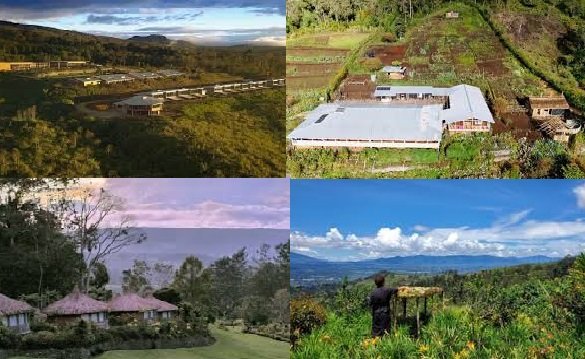 Despite a history of conflict in the area, the hotel has welcomed tens of thousands of visitors from all over the world, and the country’s leaders want to attract even more tourists to this hard-to-access location.
In December, Papua New Guinea’s Prime Minister, James Marape, visited Ambua Lodge to highlight its four decades of “safe and successful investment” in the area.
“I encourage other Papua New Guineans and potential investors, both local and international, not to be discouraged by negativity,” Marape said.
Jayesh Naduvil from Trans Niugini Tours, which runs Ambua Lodge, says tensions and conflict in the region have not presented problems for visitors, many of whom come for the Huli Wigmen, birdwatching and nature trails. The lodge is made up of thatched-roof rooms overlooking lush valleys.
“None of our clients ever had any law and order issues, as all our drivers, guides are from the community and are usually aware if there are any issues and avoid the areas,” Naduvil says.
Tribal fighting is not unusual in parts of PNG, but in recent years conflict in the highlands region including in Enga and Hela provinces has become more deadly as more sophisticated weapons have become available.
Trans Niugini also operates Rondon Ridge in the Western province of the highlands, a luxury hotel with connections to the local Melpa tribe. The tribe remains deeply connected to the land and cultures practiced for thousands of years, but in more recent years have also embraced business. Naduvil says the Melpa tribe had seen the benefits of tourism in other places and “wanted us to build a tourist lodge in the area”. The industry is growing. Figures from the Pacific Tourism Organization show a 9.3% increase in international visitors to PNG in the first half of 2025. Most people come from Australia, at 39%, followed by Asia, at 35%. Tourism minister Belden 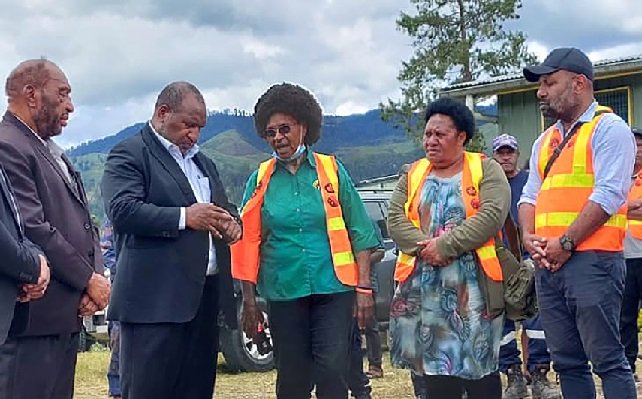 Namah told parliament in December the industry is a “sleeping giant” with deep potential. Namah says more funding is needed to grow the sector, and has described tourism as a “pot of gold that remains unexplored”.
‘Authentic’ culture and adventure
About 250km east of Hela province is another of PNG’s attractions, the country’s highest peak, Mount Wilhelm. This part of PNG’s highlands region is closer to the coast, and while tribal fighting is not as significant, it grapples with violence and crime.
Here lies a hotel in picturesque surroundings, known as Betty’s Place. The hotel is a resting spot for people seeking to take on Mt Wilhelm, and the hotel is one of several tourist operations that offer adventure and authentic cultural experiences, boosting the local economy.
In the late 1980s, Betty and her Australian husband, Kenneth Higgins, bought land to settle and grow vegetables. For years they lived on the property with daughter Ruth, and in the mid-1990s a group of mountain climbers stopped by looking for a place to stay. Betty took them in and over time the place evolved into a hotel.
Turning it into tourist accommodation had plenty of challenges there was no water supply, no electricity and no roads but two decades later it is a hub for people who visit to climb Mt Wilhelm.
“We run generators and have wifi through a (satellite). We do have solar, but it only powers LED lights, we cannot get the technology to sustain our operations in solar alone,” says Ruth, who now runs the hotel. (Int’l Monitoring Desk)