 Pressmediaofindia
Related Articles


31-03-2026
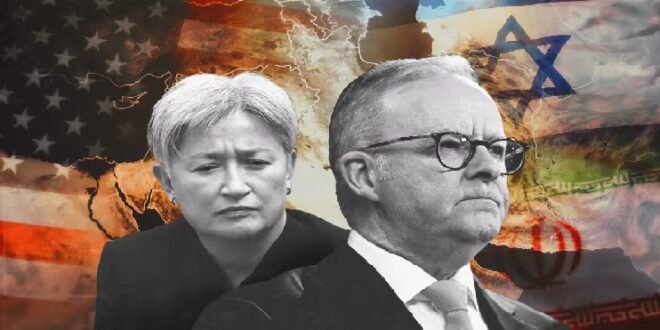
CANBERRA: Few people are willing to guess how the Iran war might end, but Australia’s role in what happens next is becoming a little clearer.
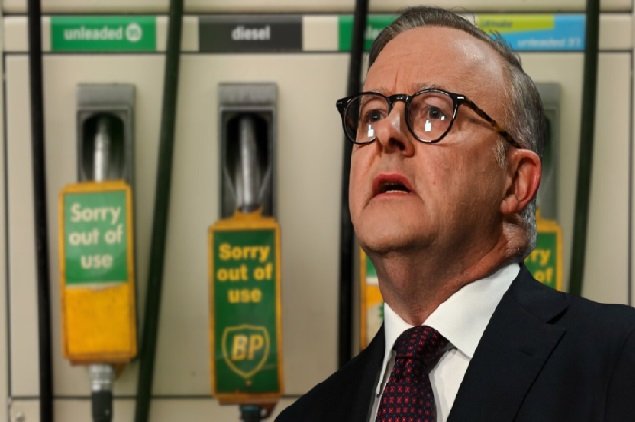 As the world struggles to manage an oil crisis, and diesel bowsers in parts of Australia run dry, leaders across the globe are urging both sides to work on a diplomatic solution.
And they’re speaking increasingly openly about what support they might be willing to provide to get oil moving once the “hot war” is over.
Reopening the Strait of Hormuz is a priority for many allies, though senior federal government sources have told media hostilities in the region must cease before any help would be provided.
In the meantime, the government is turning its mind to what that support might look like.
It is a complicated question in an unpredictable war.
Among the many variables is how willing Iran will be to give up its primary point of leverage choking up to a fifth of the world’s oil supply.
A disputed request for help
Under pressure over the global economic impact of the war, US President Donald Trump has lashed out at allies for what he has claimed is a failure to offer assistance.
Overnight on Thursday, Trump singled out Australia for not helping secure the Strait of Hormuz. “Australia was not great. I was a little surprised by Australia,” he said.
In response, Prime Minister Anthony Albanese said yesterday there had been no formal request for assistance in the region that had not been answered.
 “I again reiterate there is no request being made to Australia that has not been agreed to,” he said.
Albanese said it was up to Trump to “explain his comments” and strongly reiterated that Australia “wasn’t consulted” before last month’s US-Israeli strikes against Iran began.
“I respect that,” he said, before adding; “that’s a matter for the United States”.
He said Australia had “abhorrence” for the Iranian regime, which he noted “remains in place”.
Asked directly if Australia still supported the war and whether he believed Trump had achieved his stated objectives and should cease hostilities, Albanese again deferred to the US.
“That, of course, is a decision for the United States and we are an important ally of the United States,” he said but “we do want to see de-escalation, and we do understand that this war is having a massive global economic impact.
“We do want to see an end to the conflict.”
Signing up to secure the strait
When the UK published a joint statement with a handful of other countries late last week, indicating it was willing to work on “appropriate actions” to keep the strait open, questions were immediately asked about Australia’s absence.
Two days later, after countries like Canada and New Zealand had signed on, Australia also put its name to the statement.
The UK is now reportedly offering to host a meeting for those who have offered support to discuss what form that might take.
There is no appetite within the federal government to get further involved in the conflict until a ceasefire is reached, a sentiment seemingly shared by allies.
Senior federal government figures told media they were unsurprised the war had dragged into late March, although they did not initially expect to see it run deep into April. (Int’l News Desk)