 Pressmediaofindia

Related Articles



12-03-2026
Bureau Report
NEW DELHI: India does not expect inflation to rise substantially from a jump in global crude oil prices triggered by the war in the Middle East, as domestic price levels remain near the lower end of the central bank’s tolerance band, Finance Minister Nirmala Sitharaman said on Monday.
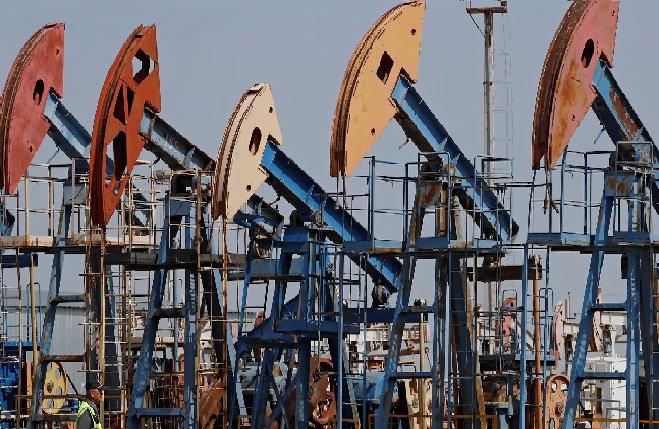
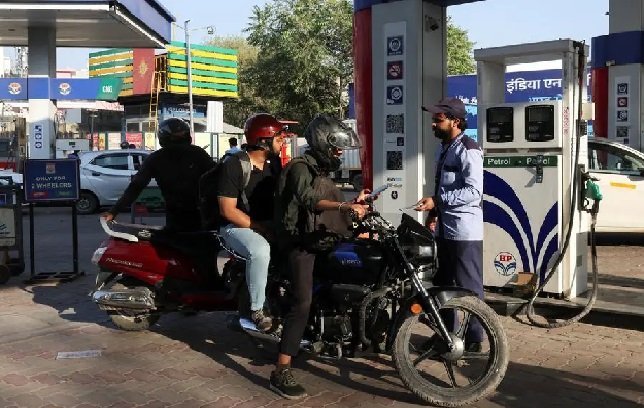 Oil prices surged about 26% in early trade to their highest since July 2022 after Iran named Mojtaba Khamenei as successor to his father Supreme Leader Ayatollah Ali Khamenei, who was killed in air strikes by Israel and the United States more than a week ago. Major Middle Eastern oil producers have cut supply because they cannot safely send shipments through the Strait of Hormuz to refiners worldwide.
Mojtaba’s appointment comes after US President Donald Trump earlier rejected him as a candidate to be Iran’s new supreme leader, and Israel saying it would target whoever leads Iran.
Global oil prices, including India’s crude basket, had been falling for a year until conflict escalated in the region on February 28, Sitharaman said in a written reply in parliament.
The Indian basket rose from $69.01 a barrel at end‑February to $80.16 a barrel by March 2, the reply said.
The government said the impact on consumer prices would be limited for now.
“Given that India’s inflation is near the lower bound, the impact on inflation is not estimated to be substantial at this point,” Sitharaman said.
January’s retail inflation was 2.75%, close to the bottom of the Reserve Bank of India’s 2%–6% target range.
The RBI’s October 2025 Monetary Policy Report estimated that a 10% increase in crude prices could lift inflation by about 30 basis points, assuming full pass‑through to domestic fuel rates, she said.
 “However, the medium-term impact of the global crude oil price rise on inflation depends on several factors, including exchange rate movements, global demand and supply situation, monetary policy transmission, the state of general inflation and the extent of the indirect pass-through,” Sitharaman added.
Meanwhile, Indian shares suffered their worst fall in a month on Monday, closing at nearly one-year lows, as a surge in crude oil prices sparked concerns over growth and inflation in Asia’s third-largest economy, which is one of the world’s top oil importers. Higher crude prices pose a significant challenge for India, the world’s third-largest oil importer, as they could raise inflation and amplify pressure on the rupee, which slumped to a record low against the US dollar.
Oil prices jumped as much as 28.9% to their highest since mid-2022 as the Iran war dragged on and Tehran named Mojtaba Khamenei as successor to his father, Ali Khamenei, in a move seen as a direct rebuke to US President Donald Trump.
India’s blue-chip Nifty 50 index, slid 1.73% to a 10-month closing low of 24,028.05 with a volatility measure surging to a 21-month high.
The BSE Sensex shed 1.71% to an 11-month low of 77,566.16, settling very close to confirming a correction from its record closing high in December last year. The benchmarks have fallen about 4.6% since the start of the Iran war.
Other Asian stocks, declined and Wall Street futures slid as inflationary shock from the oil spike threatens to push up interest rates worldwide.
“This war is different from the Ukraine war as it impacts all major economies in one stretch and quite badly so,” said G Chokkalingam, founder and head of research at Equinomics Research.
Foreign investors pulled out $2.4 billion from Indian shares last week, according to provisional exchange data.