 Pressmediaofindia
Related Articles



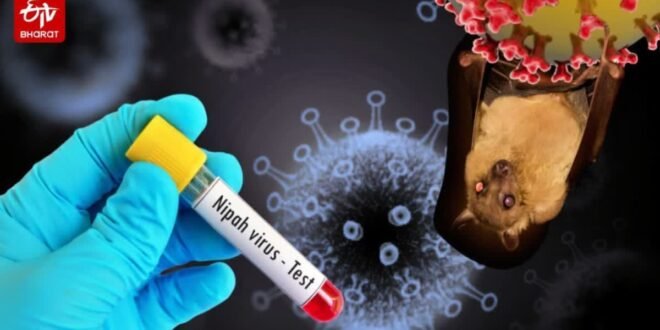
Hyderabad Jan 19 (PMI)The spread of the Nipah virus continues in West Bengal, with five cases reported over the past week. Since the first confirmed case on Monday, government authorities have placed around 100 people under home quarantine. Following the confirmation of Nipah virus cases in West Bengal, health departments across several states have been put on high alert. In Tamil Nadu, health officials have been instructed to intensify surveillance and preparedness measures. Jharkhand has also been placed on strict alert as it shares a border with West Bengal, and there is frequent movement of people between the two states. This report explains the dangers of the Nipah virus and ways to prevent it.
What is the Nipah virus, and how does it spread?
The Nipah virus is a highly dangerous zoonotic virus that spreads from animals to humans. It is primarily transmitted through bats but can also spread through pigs, goats, horses, dogs, and cats. It is not yet fully understood how bats transmit the virus to humans, but scientists believe it spreads through bat saliva and droppings, either directly or via contaminated food. The virus can also spread from person to person.
Modes of transmission:
-
The Nipah virus spreads through direct contact with the bodily fluids of infected animals, such as blood, feces, or saliva.
-
It can spread through close contact with infected animals or humans, as well as by consuming contaminated food.
-
In India and Bangladesh, the disease has been linked to drinking raw date palm sap (toddy), eating fruits partially eaten by bats, and using water from wells frequently visited by bats.
Symptoms of the Nipah virus:
-
Fever
-
Headache
-
Body aches
-
Vomiting
-
Sore throat
In severe cases:
-
Dizziness
-
Loss of consciousness
-
Difficulty breathing
-
Swelling of the brain (encephalitis)
-
Coma
Why is the Nipah virus so dangerous?
The Nipah virus can become infectious within five days to two weeks after entering the body. It can cause severe brain inflammation, which is a serious and potentially fatal condition. Early symptoms often resemble common viral illnesses, such as fever, severe headache, and vomiting. However, the disease can progress rapidly, leading to coma or death within one to two days. According to the World Health Organization (WHO), the fatality rate of Nipah virus cases ranges from 40 percent to 76 percent.
Treatment and prevention:
Currently, there is no specific vaccine or definitive treatment available for the Nipah virus. Treatment is mainly supportive and focused on managing symptoms. Infected individuals must be isolated immediately and provided urgent medical care in emergency facilities to prevent further spread.
Clinical trials and research:
In India, efforts are underway to develop monoclonal antibodies for the treatment of Nipah virus infection. The Indian Council of Medical Research (ICMR) has successfully completed animal trials of monoclonal antibodies that neutralize the virus in infected patients. The ICMR is now seeking commercial partners to produce these antibodies locally and is prepared to collaborate with companies that can manufacture and supply them on an emergency basis during outbreaks.
Preventive measures:
-
Wash hands thoroughly before consuming raw fruits or fruit juices.
-
Avoid contact with bats and sick animals.
-
Exercise caution while caring for or coming into contact with infected individuals.
-
Maintain strict hand hygiene.
Health experts advise that anyone experiencing high fever and severe headache should seek immediate medical attention, as these symptoms should not be ignored as a common viral infection. (pressmediaofindia.com)