 Pressmediaofindia

Related Articles



26-03-2026
Bureau Report + Agencies
NEW DELHI: Indian equities dropped and the rupee slid to a record low on Monday, mirroring a broad risk-off move across Asia as an escalating Middle East conflict kept oil prices elevated and deepened concerns over growth and earnings outlook.
 The Nifty 50 was down 2.2% at 22,605.50, while the BSE Sensex lost 2.13% to 72,942.20, as of 10:00 a.m. IST.
All 16 major sectors declined. The broader small-cap and mid-cap indexes dropped 3% each.
India’s equity volatility index, a measure of the market’s expected volatility over the next 30 days, jumped to 26.1, its highest since early June 2024.
The broad selloff reflects a rapid increase in risk aversion. Asian markets fell 3.3% as tensions in the Middle East intensified, undermining hopes of a near-term de-escalation in the US-Israeli conflict with Iran, now in its fourth week.
The total market value of NSE-listed stocks has dropped $365 billion since the start of the Iran war.
“Renewed geopolitical tensions and consequent movements in crude oil prices will continue to act as key external drivers, dictating the market trend this week,” said Ajit Mishra, senior vice president of research at Religare Broking.
Brent crude hovering near $113 a barrel poses a particular challenge for India, one of the world’s largest oil importers.
Elevated crude oil prices and relentless foreign outflows from domestic markets put the rupee under pressure, which weakened to a record low on Monday, eclipsing its previous low hit on Friday.
Foreign portfolio investors have sold $9.57 billion worth of Indian equities so far in March, on track for the heaviest monthly outflows since October 2024.
 Among stocks, HDFC Bank, India’s largest private lender and the heaviest-weighted stock in the benchmarks, fell about 2.5% after sliding 7.4% in two sessions following the abrupt resignation of part-time chairman Atanu Chakraborty.
Shares of State Bank of India fell 3.6% after the lender got a 63.37-billion-rupee ($675.39 million) tax demand from the Income Tax Department for the assessment year 2024.
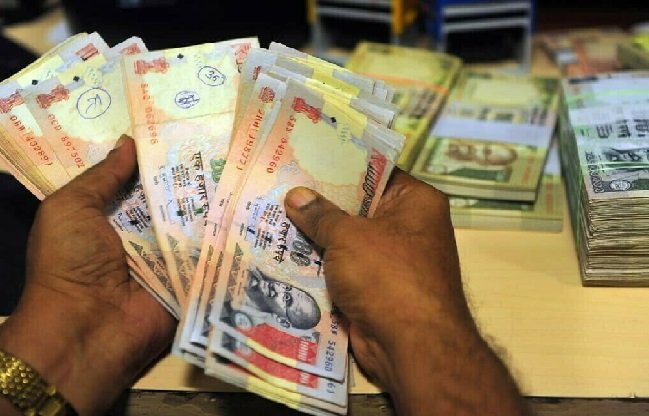
The Indian rupee fell to a record low on Monday, pressured by a sustained rise in oil prices and mounting worries that the Middle East conflict could prolong energy-supply disruptions and strain the outlook for Asia’s third-largest economy.
The rupee fell to 93.94 against the US dollar, eclipsing its previous low of 93.7350 hit on Friday. Asian currencies were down from 0.1% to 0.8% as hopes of an off-ramp to hostilities dimmed over the weekend, with Washington and Tehran trading threats as the war entered its fourth week.
Oil prices have surged more than 50% this month, and the International Energy Agency has said the crisis is worse than the two oil shocks of the 1970s put together.
The rupee, among currencies most exposed to sustained oil price increases, has weakened about 3% since the war began last month. Foreign investors have pulled $9.5 billion from Indian stocks in the same period, further pressuring the currency.
BofA Global Research now expects the rupee to trade at 94 by June 2026, versus its earlier forecast of 89, assuming that the ongoing crisis eases in a few weeks.
“If energy prices stay elevated, it could diminish the current account buffer of some regional economies, making their currencies more exposed to risk sentiment and the swings in portfolio flows,” analysts at the firm said in a note.
India’s benchmark equity indexes, the BSE Sensex and Nifty 50, fell more than 1.5% each on Friday, tracking a drop in regional shares.