 Pressmediaofindia
Related Articles


07-02-2026
ISTANBUL/ MUSCAT: Mediators from Qatar, Turkiye and Egypt have presented Iran and the United States with a framework of key principles to be discussed in talks on Friday this week, including a commitment by Iran to significantly limit its uranium enrichment, two sources familiar with the negotiations have told media.
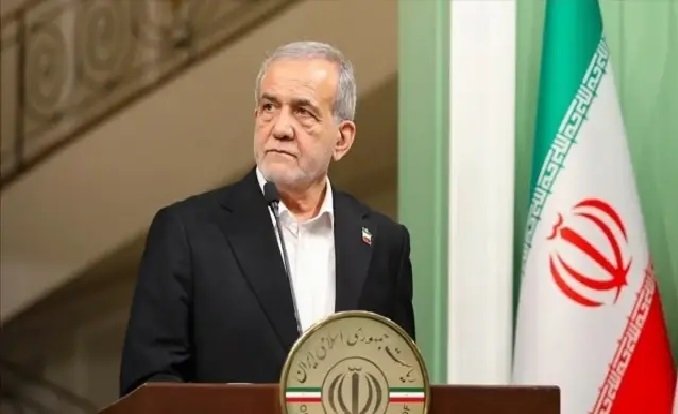 Key points in the proposed framework also include restrictions on the use of ballistic missiles and the arming of Iran’s allies in the region, according to the sources, who include a senior diplomat who asked to remain anonymous due to the sensitive nature of the talks.
An Iranian source has separately told medeia that the talks, which US special envoy Steve Witkoff and Iranian Foreign Minister Abbas Araghchi are expected to attend, will take place in Oman and not Turkiye as previously planned.
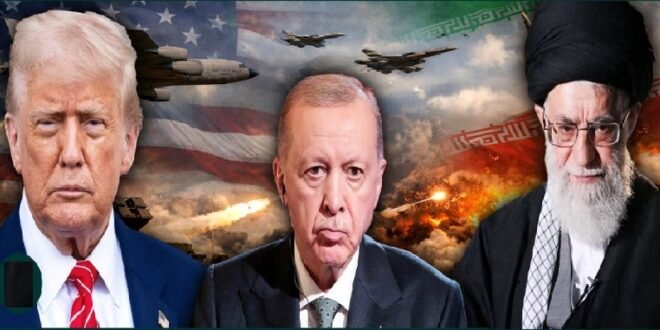
This slim window for diplomacy comes as the region braces for a potential US attack on Iran after President Donald Trump ordered forces to amass in the Arabian Sea following a violent crackdown by Iran on protesters last month.
What is in the proposals?
Under the proposed framework for an agreement, Iran would commit to zero enrichment of uranium for three years. After that, it would agree to limit enrichment of uranium to below 1.5 percent.
Its current stock of highly enriched uranium including about 440kg (970lb) that has been enriched to 60 percent would be transferred to a third country.
The proposed framework goes beyond Iran’s nuclear program with mediators proposing that Iran should agree not to transfer weapons and technologies to its regional, nonstate allies.
Tehran would also pledge to not initiate the use of ballistic missiles under this framework. This falls short of a US demand that Iran curb the number and range of its ballistic missiles.
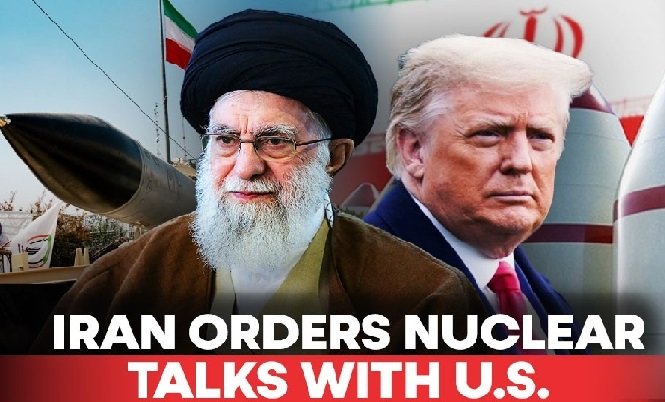 A “nonaggression agreement” between Tehran and Washington is also being proposed by the three mediators, one of the sources said.
It is not yet known how Washington or Tehran have responded to the proposed framework.
For its part, the US has made it clear that any deal must include regulations on Iran’s nuclear program, missiles and proxies.
In the past, Iran has been willing to compromise on nuclear development, including in 2015 when it signed the Joint Comprehensive Plan of Action (JCPOA), a nuclear deal with other countries, including the US, to limit nuclear enrichment in exchange for sanctions relief. Three years later, however, Trump pulled the US out of the agreement but Tehran has so far refused to talk about limiting its support for nonstate allies in the region and curtailing its ballistic missiles.
On Wednesday, Iran was still holding firm to the line that it would “exclusively” discuss the nuclear program and the lifting of sanctions, the semiofficial Tasnim news agency reported.
The mediators’ framework was presented to the US and Iran just before Witkoff met with Israeli Prime Minister Benjamin Netanyahu and his spy chiefs during a visit to Israel on Tuesday.
The US is entering negotiations with significant leverage as Iran faces an unprecedented mix of external and internal pressures.
A US aircraft carrier, fighter jets and navy destroyers are now positioned in the Arabian Sea, presenting Tehran with a credible military threat.
Meanwhile, Iran has been rocked by nationwide protests in December and January, which culminated in the country’s most brutal episodes of violence in decades. (Int’l News Desk)