 Pressmediaofindia
Related Articles


04-02-2026
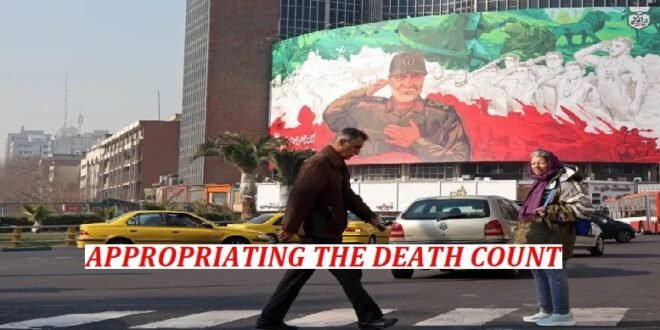
TEHRAN: Ever since the crackdown on protests in Iran between January 8 and 10, there has been contention on what the true death toll of those bloody events is. According to figures provided by the Iranian government, 3,117 people were killed, including civilians and security forces. Yet estimates from outside the country have put the number at anywhere between 5,000 and a staggering 36,500.
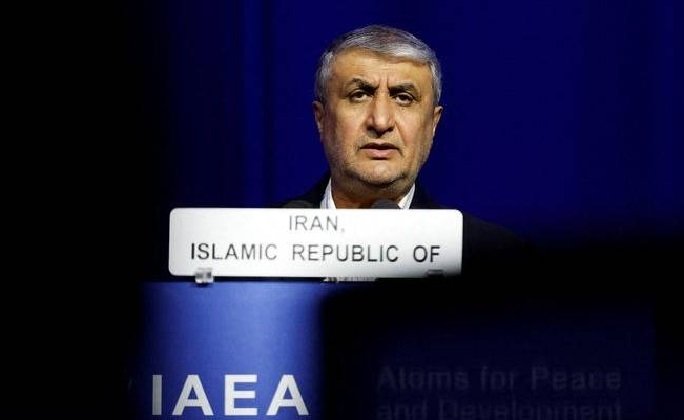 This wide range not only reflects the fact that it has been extremely difficult to verify these reports, but also that there has been a concerted effort to use the death count to manufacture global consent for an attack on Iran and, in a deceitful rhetoric, downplay the official death toll of the genocide in Gaza.
Since the outbreak of the protests, there has been a race to estimate and report on the casualties something I call a “Death Toll Olympics”.
Iran-focused human rights organizations led by dissident activists have been going through all sorts of evidence and testimonies to verify the number of the dead. As of writing this piece, the US-based organization HRANA (Human Rights Activists News Agency) has cited more than 6,000 deaths and a further 17,000-plus cases under examination.
However, there are valid doubts about the speed of the activist-led verification process.
For every reported death, multiple accounts have to be examined, possible duplications must be identified and eliminated; and dates, locations and specific circumstances must be cross-checked against the timeline of events.
Furthermore, any visual evidence has to be localized and authenticated based on open-source data or corroborated by the accounts of multiple witnesses. From an investigative standpoint, the reliability and quality of activist-led counts that increase rapidly on a daily basis, therefore warrants caution.
The UN Special Rapporteur on Iran, Mai Sato, has cited a conservative estimate of around 5,000 deaths. At the same time, she has mentioned that unverified numbers of up to 20,000 have been reported to her by medical sources.
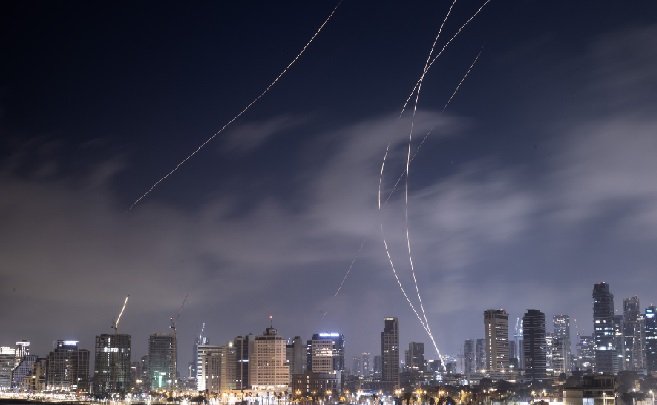 The described obstacles, and difficulties of verification over the past weeks, have been further exacerbated by Iran’s severely restricted internet access. Despite this, major media outlets have begun distributing much higher figures, solely based on vague anonymous sources who claim privileged access within Iran’s government or health sector.
On January 25, for example, UK-based TV network Iran International published a report claiming 36,500 were killed, citing “extensive reports” allegedly obtained from the Iranian security apparatus, reports it has neither published nor otherwise made transparent.
The same day, United States news magazine Time published an article titled “Iran Protest Death Toll Could Top 30,000, According to Local Health Officials”. It claimed that “as many as 30,000 people could have been killed in the streets of Iran on Jan. 8 and 9 alone” based on the accounts of two senior officials of the country’s Ministry of Health, whose identities were not revealed for security reasons. Notably, the magazine admitted in the text that it did not possess any means to independently confirm that number.
Two days later, British newspaper The Guardian followed the same trend with an article titled “Disappeared bodies, mass burials and ‘30,000 dead’: what is the truth of Iran’s death toll?” The piece introduced the figure of 30,000 based on estimates of an anonymous doctor, who spoke to the newspaper. He and his colleagues in Iran, the outlet admitted, were actually hesitant to provide a concrete figure. (Int’l Monitoring Desk)