 Pressmediaofindia

Related Articles


31-03-2026
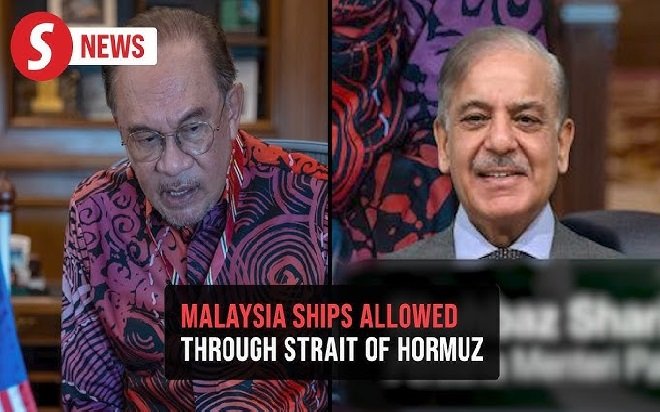
KUALA LUMPUR: Iran has allowed Malaysian ships to pass through the Strait of Hormuz, Malaysia’s leader said, amid the global energy crunch driven by the United States and Israel’s war with Tehran.
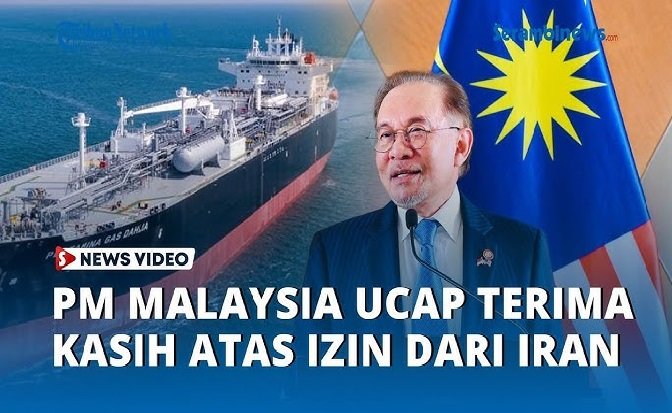 In a televised address on Thursday, Malaysian Prime Minister Anwar Ibrahim expressed thanks to Iran’s President Masoud Pezeshkian for granting Malaysian vessels “early clearance” through the waterway, which has been effectively closed by Tehran.
“We are in the process of securing the release of the Malaysian oil tankers and the workers involved so they can continue their journey home,” Anwar said.
Anwar did not elaborate on how many vessels had cleared the strait, which normally facilitates the transport of about one-fifth of global oil and liquefied natural gas (LNG) supplies or under what conditions the vessels were cleared for safe passage.
The Malaysian government, which has traditionally pursued a policy of non-alignment in international affairs, did not immediately respond to requests for comment. Anwar said that while Malaysia had been affected by the disruption to energy supplies, the Southeast Asian country was in a “much better position” than other nations due to the capacity of the state-run oil and gas company Petronas.
As one of the world’s top suppliers of LNG, Malaysia is a net energy exporter but the country imports nearly 70 percent of its crude oil from the Gulf region.
Anwar said his government would take a series of measures to conserve fuel, including reducing the individual monthly quota for subsidized petrol and “gradually and selectively” moving civil servants onto work-from-home arrangements.
“Food supplies are affected; prices will certainly rise. Fertilizer as well, and of course, oil and gas,” Anwar said.
 “So there are steps we need to take. There are countries whose impacts are far worse than ours, but that does not mean we are spared entirely,” he said.
While Iran has stated that the strait is open to ships that are not aligned with the US or Israel, Tehran has claimed the right to exercise control over the waterway and admitted responsibility for at least two of 20 documented attacks on commercial vessels in the region.
Iran’s parliament is also pushing legislation that would establish a toll system in the strait amid reports that Iranian authorities have been demanding vessels fork over as much as $2m to guarantee their safe passage.
Five ships were tracked transiting the strait via their automatic identification systems on Wednesday, up from four the previous day, according to maritime intelligence company ‘Windward’.
Before the war, an average of 120 vessels transited the waterway each day, according to Windward.
In a televised address, Anwar thanked Iran’s president, Masoud Pezeshkian, for allowing the passage of Malaysian ships. “We are now in the process of releasing the Malaysian oil tankers and the workers involved so that they may continue their journey home,” he said.
Malaysia, despite being an oil-producing nation, is highly dependent on the oil passing through the strait, with approximately 50% of the country’s oil supply transported through the waterway.
“For us now, we are compelled to manage the situation because the effects of the blockade at the Strait of Hormuz, the war, and the halted supply of oil and gas all have an impact on us,” Anwar said. A trickle of cargo ships and tankers, most of them Iranian but some from Thailand and China have made it through the strait of Hormuz since Iranian forces in effect blocked the crucial trade route in retaliation against US and Israel strikes. (Int’l Monitoring Desk)