 Pressmediaofindia
Related Articles


14-03-2026
PARIS: The 32 members of the International Energy Agency agree to their largest ever release of oil reserves, in an effort to calm markets.
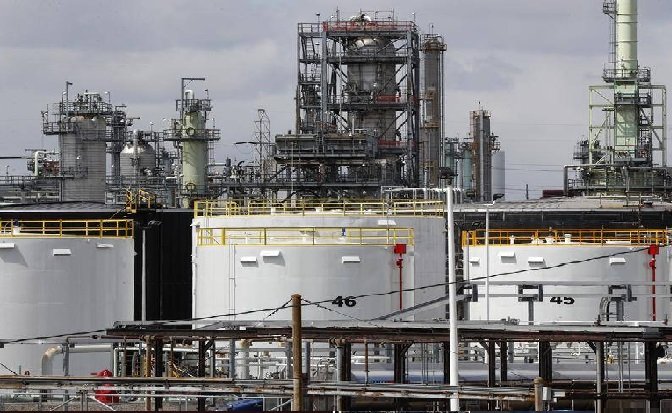 The IEA which includes the UK and US will release 400m barrels. That’s about four days’ worth, our reporter says.
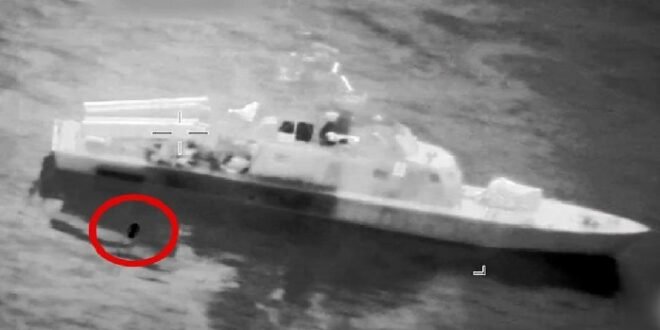
The move comes after three commercial ships were damaged by “unknown projectiles” in the Strait of Hormuz.
Earlier, the US military said it “eliminated” 16 Iranian mine-laying ships in the area.
In Dubai, four people were injured when two drones fell near Dubai airport. It’s the second drone attack in the area in recent days.
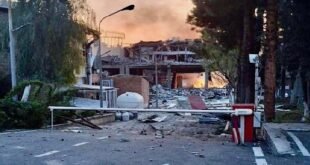
Israel has launched more attacks on Iran and Lebanon in central Beirut, there is “absolute shock” after an apartment building was hit, our correspondent says.
Meanwhile, Iran’s sports minister says Iran’s footballers won’t play at the 2026 World Cup but, says media, it’s too early to rule them out.
Dozens of countries have agreed to release a record amount of oil from their emergency reserves to try to tackle supply shortages and soaring prices.
All 32 of the International Energy Agency’s (IEA) members including the UK, the US, and many of the world’s richest nations will release 400 million barrels to combat what the group said were challenges “unprecedented in scale”.
The US-Israel war with Iran has caused oil exports through the Strait of Hormuz, which carries 25% of global oil supplies by sea, to virtually stop and production in the region to slump.
 The oil price is nearly a quarter higher than when the war began and experts say the IEA’s move would only be a short-term solution.
The release is more than double the previous record amount released by the IEA’s members following Russia’s full-scale invasion of Ukraine in early 2022.
However, it would only amount to around three or four days’ worth of global supply or roughly a fortnight’s worth of what would normally be shipped out of the Strait of Hormuz.
The IEA’s member and associate countries represent two thirds of global energy production and 80% of consumption.
Member countries are required to keep 90 days’ worth of their nation’s oil use in reserve in case of global disruption.
Collectively, the members hold over 1.2 billion barrels in emergency stockpiles, with a further 600 million barrels of industry stocks held under government obligation.
Releasing a third of the stocks its governments hold is not something that it can repeat frequently.
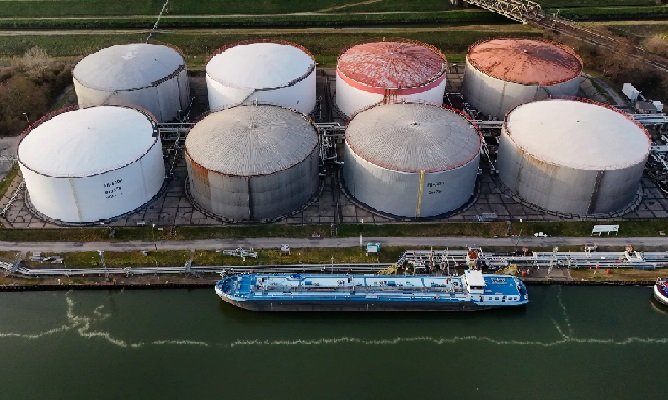
The oil itself is not in a single place. For example, producers like Shell and BP keep stocks at terminals and refineries around the UK and can earmark stocks held elsewhere as counting towards their reserves.
When it is released, it does not mean a sudden flood of new oil starts moving.
Instead, producers will make more available in the market for refineries to order, though energy analysts have told media that there is a shortage of refining capacity.
The other issue with releasing reserves is that it is not something you can do again.
“Once you release them, they don’t exist,” said Nick Butler, former head of strategy at oil giant BP.
Jorge Leon, an energy analyst at Rystad Energy, said the release “helps but it doesn’t fully offset that disruption”.
“Everyone knew there would be a release of emergency reserves (…) but prices haven’t come down as much as you would expect,” he added.
Meanwhile, the IEA’s executive director Fatih Birol said the decision will not help the global gas market, which he described as “very challenging”. (Int’l News Desk)