 Pressmediaofindia

Related Articles



01-02-2026
DAMASCUS: Syria’s Kurdish-led forces have reached a comprehensive agreement with the government to integrate with the Syrian army.
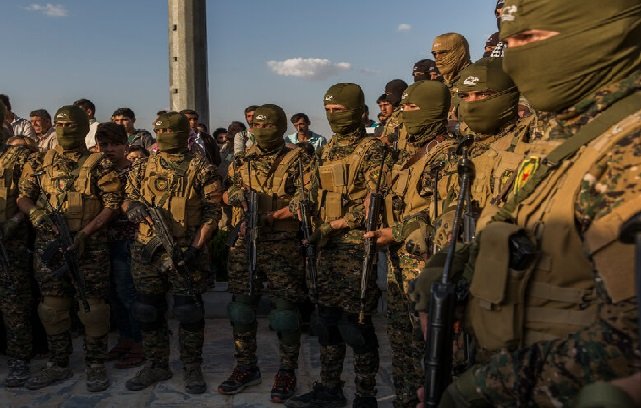 The interim government in Damascus has been fighting an offensive in the north of the country against the Kurdish-led Syrian Democratic Forces (SDF) over recent weeks as it seeks to consolidate control of the country following the overthrow of longtime leader Bashar al-Assad in December 2024.
However, a ceasefire over the past week or so has developed into an agreement for a phased integration of the Kurdish military forces into the army, according to an SDF statement issued on Friday.
Shortly afterwards, Syrian state TV confirmed the agreement, reporting that government officials said it would be implemented immediately.
The army has seized swaths of northern and northeastern territory in the last three weeks from the SDF in a rapid turn of events that has consolidated the leadership of President Ahmed al-Sharaa, after months-long talks between the sides failed to merge the fighters and Kurdish political entities into central institutions.
When the Kurdish-led Syrian Democratic Forces (SDF) announced they would withdraw from the northeastern Syrian cities of Raqqa and Deir Az Zor on January 18, images immediately began to spread of spontaneous celebrations from populations in the two Arab-majority cities but the latest convulsion in Syria is a tale of two communities.
“The reaction of the people of the region to the entry of the Syrian state and its control over the region is indescribable,” Adnan Khadeir, an Arab resident of Deir Az Zor, told media. “There was overwhelming joy at the liberation.”
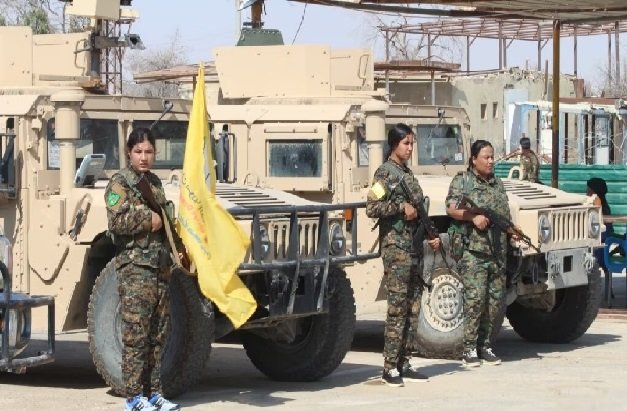 Khadeir said many people in the region feared the SDF’s repression.
“I was unable to criticize the [SDF] and the biggest fear among the people of the region was forced conscription,” he said. “The situation is much better than before” but in areas of the northeast with larger Kurdish populations, residents told media that fear over the government’s military incursions had gripped the local population.
Though the area has also experienced many violent episodes during the last 15 years of war, particularly present in their minds was a repeat of sectarian killings similar to those that erupted along the Syrian coast involving Alawites in Latakia and Druze in Suwayda in the south in 2025.
“Fear is widespread, and it is a real fear based on documented experiences,” Abbas Musa, the coordinator of the Missing Persons’ Families Platform in North and East Syria (MPFP-NES), told media from Qamishli, a Kurdish-majority city on the border with Turkiye.
Damascus ‘has all the cards’
After the fall of the Bashar al-Assad regime in December 2024, the SDF controlled most of the country’s resource-rich northeast, about a quarter of Syrian territory.
Discussions ensued between the group and President Ahmed al-Sharaa’s government about how to bring the region under the control of the new authorities and how to integrate SDF fighters into the government’s forces.
An agreement was signed on March 10 between the two sides, which promised the SDF’s integration into the new Syrian Armed Forces by the end of 2025. Still, disagreements remained over whether SDF fighters would integrate individually or retain their battalions. The SDF also wanted some form of autonomy or political decentralization for the northeast but clashes in Aleppo and a rapid government offensive pushed the SDF back. The offensive was bolstered by an alliance of sorts with tribes in Deir Az Zor and Raqqa, and support from the US, which signaled that its yearlong support for the SDF may be ending. (Int’l Monitoring Desk)