 Pressmediaofindia
Related Articles



24-12-2025
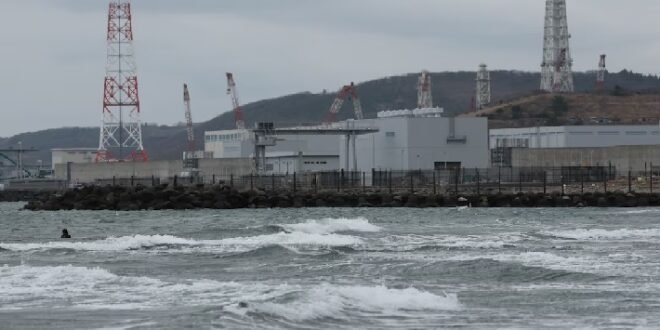
TOKYO: Japan is set to resume operations at the world’s largest nuclear power plant; Kashiwazaki-Kariwa.
The partial restart of the plant got the green light in a vote on Monday by the Niigata local government. Japan has reopened several nuclear facilities as it seeks to reduce emissions, reversing policy 15 years after 54 reactors were shut in the wake of the Fukushima disaster despite public opposition.
 Niigata prefecture’s assembly passed a vote of confidence on Governor Hideyo Hanazumi, who backed the restart last month, effectively allowing the plant to begin operations again.
The 2011 triple meltdown at Fukushima, following an earthquake and tsunami, destroyed Japan’s trust in its nuclear energy infrastructure.
However, the environmental and economic costs of relying on imported fossil fuels have led Japan’s new Prime Minister Sanae Takaichi to back reopening some of the shuttered plants.
Fourteen of the 33 nuclear plants that remain operable in the country have been resurrected. However, Kashiwazaki-Kariwa is the first to be operated by Tokyo Electric Power Co (TEPCO), which ran the Fukushima plant.
TEPCO is considering reactivating the first of seven reactors at the plant on January 20, Japanese public broadcaster NHK reported.
The first reactor alone could boost electricity supply to the Tokyo area by 2 percent, Japan’s Ministry of Economy, Trade and Industry has estimated.
While lawmakers voted in support of Hanazumi, the assembly session showed that the community remains divided over the restart, despite the promise of new jobs and potentially lower electricity bills.
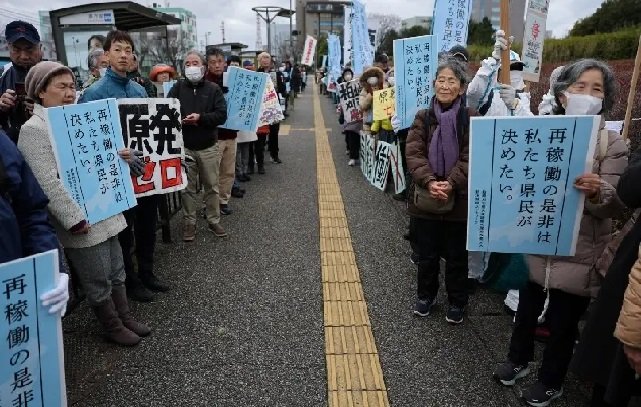 About 300 protesters rallied to oppose the vote, holding banners reading “No Nukes”, “We oppose the restart of Kashiwazaki-Kariwa” and “Support Fukushima”.
Farmer and antinuclear activist Ayako Oga, 52, joined the protests on Monday in her new home of Niigata, where she settled after fleeing the area around the Fukushima plant in 2011 with 160,000 other evacuees. Her old home was within the 20km (12-mile) radius irradiated exclusion zone.
“We know firsthand the risk of a nuclear accident and cannot dismiss it,” said Oga, adding that she still struggles with post-traumatic stress disorder-like symptoms.
Takaichi, who took office two months ago, has backed nuclear restarts to strengthen energy security and reduce reliance on imported fossil fuels, which also contribute to climate change. Japan spent 10.7 trillion yen ($68bn) last year on imported liquefied natural gas and coal, one-10th of its total import costs.
In 2023, Japan has started releasing treated radioactive water from its crippled Fukushima nuclear power plant into the Pacific Ocean, a milestone in its challenging decommissioning process.
Here is a timeline of key events related to the Fukushima disaster and Japan’s efforts to clean up the site and close down the plant.
A magnitude 9 earthquake off the coast of northeastern Japan triggers a devastating tsunami that knocks out power and cooling systems at Tokyo Electric Power Co’s (TEPCO) Fukushima Daiichi plant, leading to the meltdown of three of its six reactors.
Takaichi, 64, is the first female Prime Minister, she entered Japanese politics in the 1990s as a member of the long-ruling Liberal Democratic Party.
She was born in Nara prefecture in central Japan and graduated from Kobe University, according to her official biography. Her upbringing was somewhat more humble than other senior members of the LDP. (Int’l News Desk)