 Pressmediaofindia
Related Articles



27-01-2026
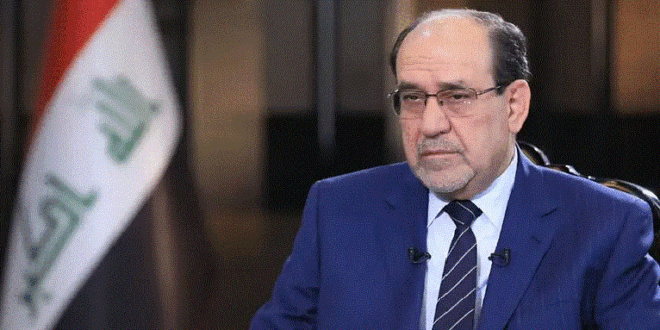
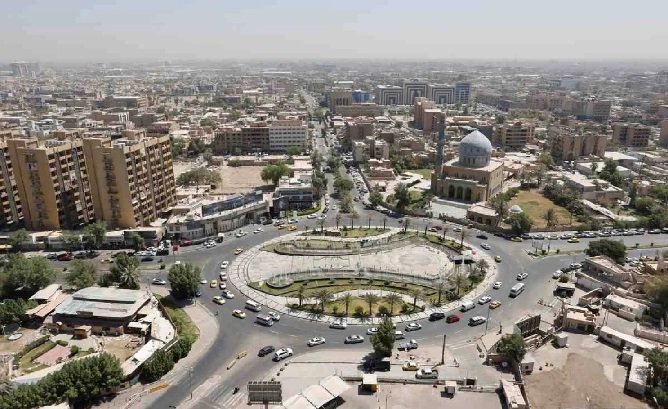
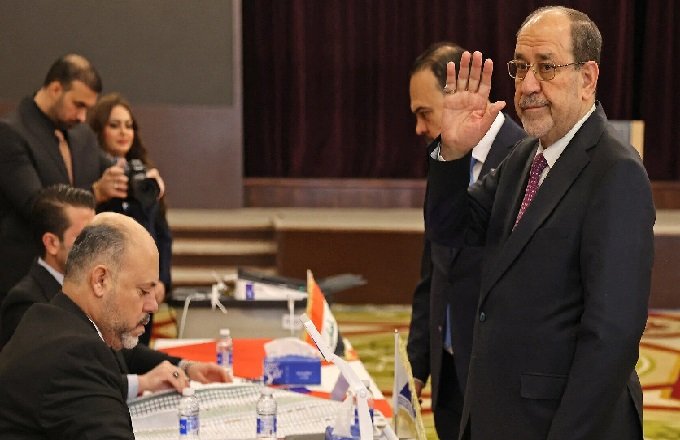
BAGHDAD: Iraqi former Prime Minister Nouri al-Maliki is on the verge of a return to power after being nominated as the country’s next premier by an alliance of Shia political blocs that hold a majority in parliament.
 The Shia Coordination Framework said on Saturday that it had picked al-Maliki, leader of the Islamic Dawa Party, as its nominee for the post based on his “political and administrative experience and his role in managing the state”.
A central figure in Iraq’s politics, the 75-year-old first became prime minister in 2006, as the country appeared to be unravelling amid a wave of violence unleashed by the United States-led invasion of 2003.
He stepped down after ISIL (ISIS) seized large parts of the country in 2014, but has remained an influential political player, leading the State of Law coalition and maintaining close ties with Iran-backed factions.
The move paves the way for negotiations aimed at forming a new government, which will need to manage powerful armed groups close to Iran, such as Asaib Ahl al-Haq, while facing growing pressure from Washington to dismantle them.
Potent force
Al-Maliki was Iraq’s only two-term premier since the US-led invasion and had, over the years, managed to appease both Tehran and Washington, becoming a powerbroker whose approval is considered indispensable to any governing coalition.
He remains a potent force in Iraqi politics despite longstanding accusations that he fueled sectarian strife and failed to stop ISIL from seizing large areas of the country a decade ago.
The politician spent nearly a quarter of a century in exile after campaigning against the governance of former President Saddam Hussein, but returned to Iraq in the wake of the 2003 invasion that toppled the longtime leader.
 He became a member of the de-Beatification commission that barred members of Saddam’s Baath party from public office.
The US-authored program was widely blamed for fueling the rise of post-invasion rebel groups by purging thousands of experienced civil servants who were disproportionately Sunni.
On March 19, 2003, a United States-led coalition began bombing Iraq. One day later, a ground invasion began. Al-Khatib was seven years old.
At the time, al-Khatib and his family lived in Ramadi, 110km (70 miles) west of Baghdad. They left their home during the early onset of the invasion but the family was unable to meet their basic needs in Heet, a city in Al-Anbar province, so they returned to Ramadi to find that US forces had set up a base next to the family home.
“Things in our neighborhood were very problematic with the US base being near,” al-Khatib says. “We always had the fear of attacks happening on the base. I can recall that an attack or disturbance would occur at least once a week against this base.”
After al-Qaeda’s attacks on the US on September 11, 2001, US forces invaded Afghanistan with the purpose of quashing the group’s network and bringing down its leader, Osama bin Laden. Later on, allegations that Iraqi leader Saddam Hussein possessed weapons of mass destruction was used to justify the invasion of Iraq as a continuation of the US “war on terror”.
Iraq’s dictator was toppled, but no weapons of mass destruction were ever found.
Instead of the promised democracy, the US war and its destruction scarred the country, its people and culture.
Al-Khatib’s family has been displaced since 2014 after the emergence of ISIL (ISIS) and its takeover of vast swathes of Iraq and Syria, including Ramadi. (Int’l News Desk)