 Pressmediaofindia
Related Articles



26-01-2026
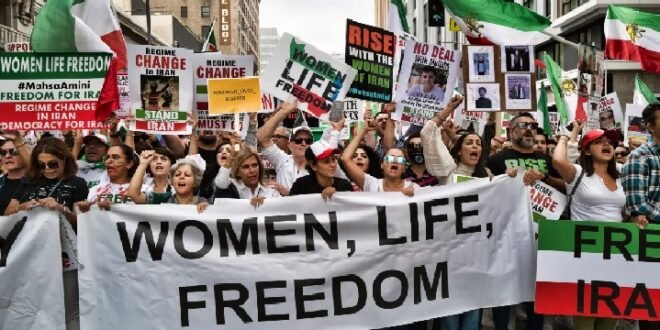
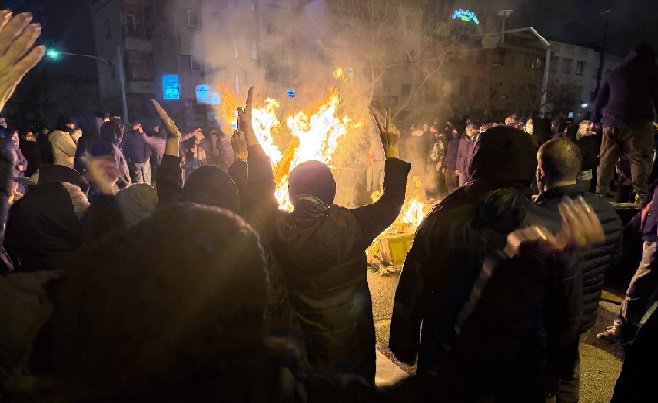
TEHRAN: The Iranian state has rejected a resolution by the United Nations’ Human Rights Council that strongly condemned the “violent crackdown on peaceful protests” by security forces that left thousands dead.
 After a detailed meeting and discussions in Geneva on Friday, 25 members of the council, including France, Japan and South Korea, voted in favor of the censure resolution.
Seven votes against, including from China, India and Pakistan, as well as 14 abstentions, among others from Qatar and South Africa, failed to stop the resolution.
The human rights council called on Iran to stop the arrests of people in connection with the protests, and to take steps to “prevent extrajudicial killing, other forms of arbitrary deprivation of life, enforced disappearance, sexual and gender-based violence” and other actions violating its human rights obligations.
Iran said that the Western-led sponsors of the emergency meeting on Friday had never genuinely cared for human rights in Iran, or else they would not have imposed sanctions that have devastated the Iranian population over the past decade.
Ali Bahreini, Iran’s envoy in the meeting, reiterated the state’s claim that 3,117 people were killed during the unrest, 2,427 of whom were killed by “terrorists” armed and funded by the United States, Israel and their allies.
“It was ironic that states whose history was stained with genocide and war crimes now attempted to lecture Iran on social governance and human rights,” he said.
The US-based Human Rights Activists News Agency (HRANA) says it has confirmed at least 5,137 deaths during the protests, and is investigating 12,904 others.
UN special rapporteur on Iran, Mai Sato, has said the death toll could reach 20,000 or more as reports from doctors from inside Iran emerge. Media has been unable to independently verify the figures.
 UN human rights chief Volker Turk told the council that “the brutality in Iran continued, creating conditions for further human rights violations, instability and bloodshed” weeks after the killings on January 8 and January 9, when a communications blackout was also enforced.
Turk pointed out that executions for murder, drug-related and other charges continue across Iran, with the state executing at least 1,500 people in 2025, marking an enormous 50 percent increase compared with the year before.
Payam Akhavan, a professor and former UN prosecutor of Iranian-Canadian nationality who was at Friday’s meeting as a civil society representative, called the killings “the worst mass-murder in the contemporary history of Iran”.
He said as a prosecutor at the International Criminal Tribunal in the Hague, he had helped draft the indictment for the Srebrenica genocide in which some 8,000 Bosniaks were killed in July 1995.
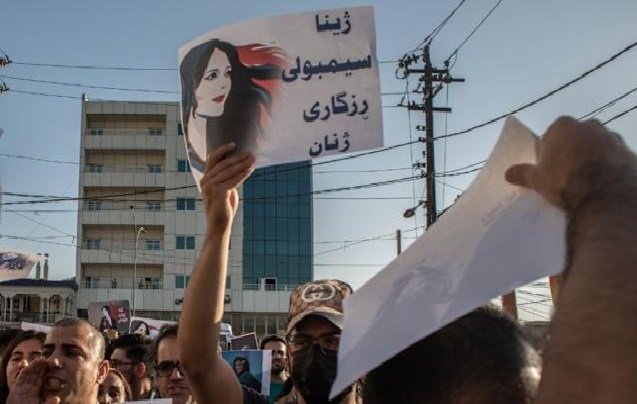
“By comparison, at least twice that number had been killed in Iran in half the time. This was an extermination,” he said. The adopted UN council resolution also extended the mandate of the special rapporteur for another year, while adding two more years to the mandate of the independent fact-finding mission that was formed to investigate killings and rights abuses during Iran’s nationwide protests in 2022 and 2023.
Meanwhile, the internet blackout continues to be enforced amid growing frustration and anger from the public and businesses alike.
Global internet observatory Netblocks reported that international internet remained effectively blocked on Saturday despite brief moments of connectivity.
Some users have been able to overcome the digital blackout over recent days for short periods of time using a variety of proxies and virtual private networks (VPNs). (Int’l Monitoring Desk)