 Pressmediaofindia
Related Articles


04-11-2025
TEHRAN: President Masoud Pezeshkian unveiled a “Gen Z adviser” about a month ago, posing for a smiling photo with him that went viral online.
 The adviser, Amirreza Ahmadi, told local media that he sees his mission as listening to the youth of Iran, “from Tehran to the borders of this country”, going so far as to share his mobile number but he later blocked commenting on his social media profiles after criticism from users who claimed that Ahmadi did not “resemble” Gen Z Iranians, was using bots to boost his social media accounts, and had no established connection with youth groups or students demanding change.
The appointment appears to have been part of an effort by the moderate administration, which promised improved social freedoms and lifted sanctions during election campaigns, to connect with younger generations, who have been driving political change across Asia and globally.
Pezeshkian and his administration have struggled, though partly as a result of indifference from many young Iranians to their overtures, and partly because many of the Iranian establishment’s more hardline factions have little interest in appeasing the youth.
Sanam Vakil, director of Chatham House’s Middle East and North Africa Program, said the Iranian state is struggling to speak the language of a generation that grew up online and outside its ideological frame.
As such, she added, its outreach “feels transactional rather than transformative and ultimately is directed to staving off unrest and protests”, while the hardline elite’s fear of losing control outweighs any concern about losing the young.
“That imbalance keeps Iran locked in a politics of repression rather than renewal. I think the system will be locked between conflicting messages, narratives, and policies,” she told media.
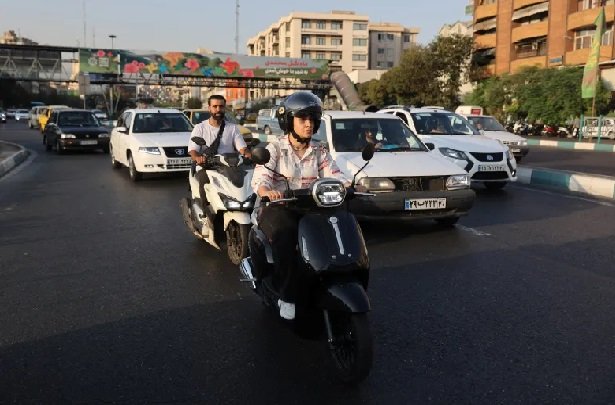 Many of the people defying aspects of state controls are Gen Z youth, who are, like most Iranians, also crushed by the deteriorating economic conditions and rampant inflation amid corruption and mismanagement.
Testing the boundaries
With Israel and its Western allies openly touting regime change in Iran since the 12-day war between them in June, authorities say they recognize that public support is needed to get the country through difficult conditions, including reinstated UN sanctions and the lingering threat of war.
This forced some officials, mostly those in the more moderate or pragmatic camps, to advocate for dialing down some controls on social freedoms.
Former President Hassan Rouhani, a moderate camp leader, last week criticized hardline lawmakers and politicians for advancing legislation opposed by an overwhelming majority of Iranians, in a likely reference to the contentious issue of mandatory hijab.
The government has said it will not enforce the law but, on the other hand, hardline factions within the establishment have mobilized to reintroduce as many restrictions as possible.
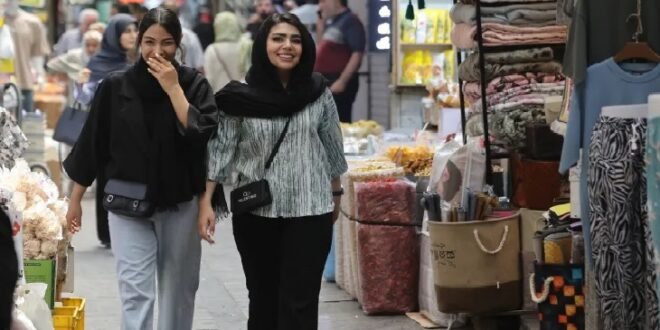
A video recorded in downtown Tehran went viral online this week, showing young men and women, who disregarded the dress code imposed by the theological establishment, enjoying a street music performance.
After years of musicians defying a state ban on street performances, they have become increasingly common, but still face crackdowns if they get too much attention.
At least one of the band members had their Instagram account closed by Iranian authorities, with the police posting on the account that it was shut down by judicial order due to “publishing criminal content”. (Int’l News Desk)