 Pressmediaofindia
Related Articles



11-02-2026
Bureau Report
NEW DELHI: Indian farm unions and opposition parties have called for nationwide protests against the new India-US trade framework, saying it risks hurting the farm sector by allowing more US imports, although the government says key staples are protected.
 The agreement has become a political flashpoint, reviving memories of the 2020–21 farm law protests, when the government was forced to repeal three laws aimed at deregulating agricultural markets.
The government has defended the pact, saying farmers’ interests are protected by excluding imports of grains such as rice, wheat, corn and dairy products, while growers of basmati rice, fruits, spices, coffee and tea would gain duty-free access to the US market.
Farm groups say the pact puts Indian farmers at a disadvantage.
Farmers complain over lack of detail
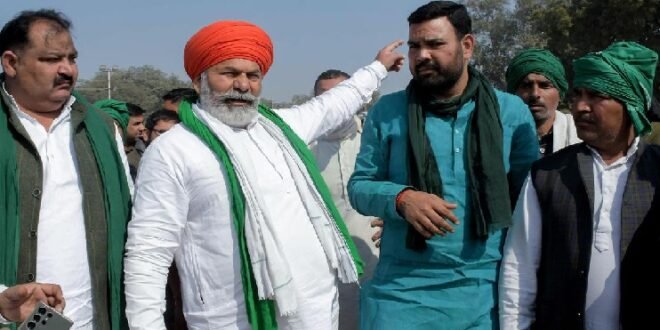
“We are worried about the India-US trade deal, as it would hurt Indian farmers, who are far more vulnerable than their American counterparts”, said Rakesh Tikait, a farmers’ leader.
He said US farmers have larger landholdings and receive higher subsidies, while Indian farmers also face crop losses from weak processing infrastructure and rising cultivation costs.
The Samyukt Kisan Morcha (SKM), a coalition of more than 100 farm groups, has called for protests on February 12, saying the deal would allow imports of subsidized US farm products that could depress domestic prices and hurt rural incomes.
The interim India-US trade framework amounts to a complete surrender to US agricultural multinationals, SKM said in a statement, urging the government not to sign the pact.
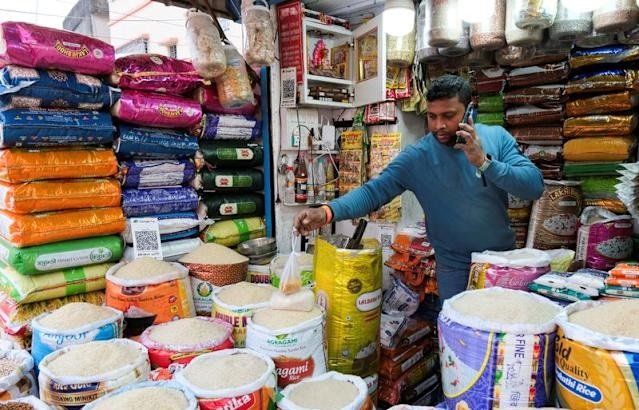 “We will not allow the government to open up the Indian farm sector for American companies”, SKM national secretary Purushottam Sharma said, adding that lower tariffs on crude soyoil, currently taxed at about 16.5%, would hurt domestic oilseed producers.
Apple growers have also voiced concern.
In a representation to Prime Minister Narendra Modi, the Kashmir Valley Fruit Growers-cum-Dealers Union said more than 700,000 families depend on horticulture in key apple-producing states and called for import duties of more than 100% on US apples.
The opposition Congress party has called the agreement a “total surrender” of national and farm interests and questioned the lack of detailed product lists and tariff lines disclosed by the government.
Farmer leaders have also urged the government to share details of the pact.
“India could be made into a dumping ground by this deal”, Congress leader Pawan Khera said; citing US Agriculture Secretary Brooke Rollins, who said it would boost US farm exports to India, lift prices and pump cash into rural America.
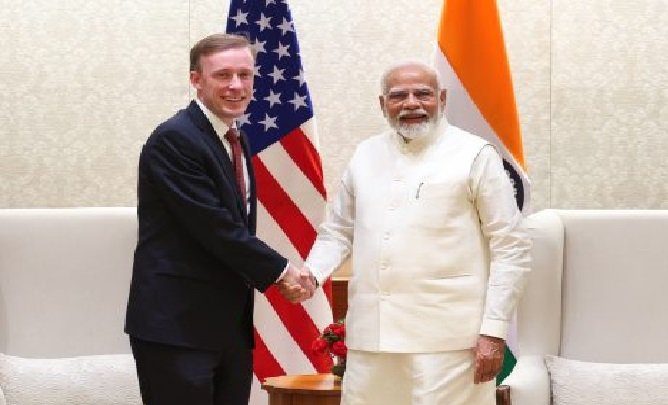
Last week, the United States and India moved closer to a trade pact, releasing an interim framework that would lower tariffs, reshape energy ties and deepen economic cooperation as both countries seek to realign global supply chains.
The framework reaffirms a commitment to negotiations toward a broader bilateral trade agreement, the two governments said in a joint statement, while noting that further negotiations were needed to complete the pact.
Separately, US President Donald Trump in an executive order removed the additional 25% tariff imposed on Indian goods for Russian oil purchases as New Delhi “committed to stop directly or indirectly importing” Russian oil.