 Pressmediaofindia
Related Articles


25-03-2026
Bureau Report
NEW DELHI: India will revoke temporary fare caps it had imposed on domestic air tickets in December, according to a government order reviewed by media, a move to ease the financial burden on airlines facing higher costs from disruptions due to the Iran war.
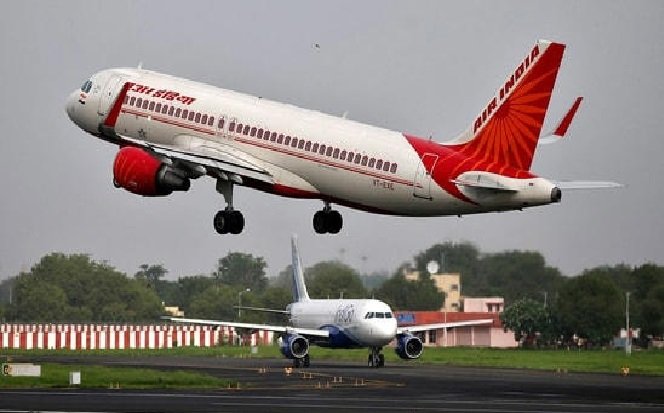 The caps, set to be lifted from Monday, were introduced in December due to mass flight cancellations by market leader IndiGo that led to a jump in airfares at other carriers.
“The prevailing situation has since stabilized, with restoration of capacity and normalization of operations across the sector,” the Indian civil aviation ministry said in its order. The order, which was dated Friday and reviewed by media on Saturday, has not been made public. A spokesperson for the ministry did not respond to a request for comment.
Indian airlines had urged the government to lift the price caps, arguing they were causing “huge” revenue losses amid higher operational costs in part because of a jump in jet fuel prices due to the war, Reuters reported on Friday.
Though airlines have not revealed the extent of losses suffered, HSBC analysts have said a $1 per barrel change in fuel prices could impact IndiGo’s full-year fuel bill by about 3 billion rupees.
Under the caps, a one-way fare for a journey up to 500 kilometers cannot be more than 7,500 rupees ($80.07). Journeys between 1,000 and 1,500 km such as the New Delhi-Mumbai route were capped at 15,000 rupees.
The government’s order instructs airlines to ensure fares remain “reasonable, transparent and commensurate with market conditions, and that passenger interests are not adversely impacted.”
Yesterday, an airlines group representing IndiGo, Air India and SpiceJet has warned the Indian government of route withdrawals and delayed fleet and network expansions if fare caps imposed in December are not revoked, a letter shows.
 The letter highlights growing financial pain in the world’s fastest-growing market where, even before the Iran crisis, airlines were hit hard by a Pakistani airspace ban for international operations due to diplomatic tensions.
In December, widespread aviation disruptions due to mass flight cancellations by IndiGo over operational issues prompted authorities to cap airfares depending on the distance, with the maximum being 18,000 rupees ($192.04) for a one-way journey.
The crisis has since eased, but caps remain in place without any timeline. Indian airlines are incurring “huge” revenue losses and face higher operational costs in part because of a jump in jet fuel prices due to the Iran war, the Federation of Indian Airlines said in a private letter to the government on March 12, seen by media.
Current situation may threaten viability
“If the current situation continues, airlines will face severe financial losses, pushing several operators closer to unsustainable financial conditions and potentially threatening their continued viability,” the March 12 letter, which was not made public, said
The civil aviation ministry and the FIA did not respond to requests for comment. IndiGo and Air India, which control more than 90% of India’s domestic market, did not respond. A spokesperson for SpiceJet also did not respond to a request for comment. A $1 per barrel change in fuel prices could impact IndiGo’s full-year fuel bill by about 3 billion rupees, HSBC analysts have said. Jet fuel prices have risen sharply in recent days due to the Middle East war.
IndiGo and Air India are also flying longer routes to reach Europe and North America owing to airspace restrictions.