 Pressmediaofindia
Related Articles



14-03-2026
Bureau Report
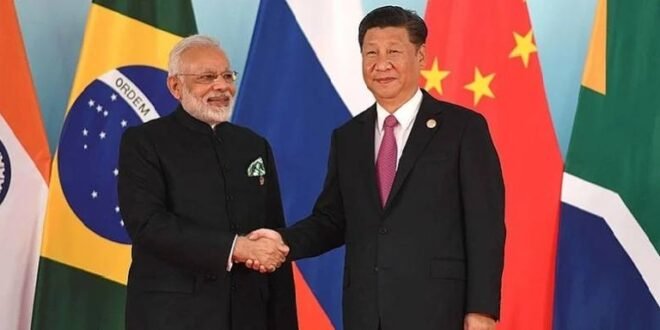
NEW DELHI: India approved easing restrictions on Chinese investments in select sectors on Tuesday, in a major step by Prime Minister Narendra Modi to rebuild ties with Beijing and end six years of friction.
 Below is a timeline of events since a deadly border clash between the two nuclear-armed Asian nations’ jolted commercial and diplomatic ties in 2020.
April 2020, India introduces heightened scrutiny for all investments from nations it shares a land border with, including China. New Delhi says the move is to curb opportunistic takeovers of Indian companies during the COVID-19 pandemic.
June 2020, India bans 59 mostly Chinese apps, opens new tab, including TikTok, WeChat, and UC Browser, citing national security concerns.
July 2022, China’s Great Wall Motor shelves plans, opens new tab to invest $1 billion in India after failing to obtain regulatory approvals, becoming one of the biggest casualties of New Delhi’s increased scrutiny of investments from Beijing.
July 2023, India rejects a $1 billion investment proposal by Chinese automaker BYD amid continued security concerns.
October 2024, India and China reach a deal, opens new tab on patrolling their disputed frontier to end a four-year military stand-off.
July 2025, India’s top government think tank, NITI Aayog, proposes allowing Chinese companies to take up to a 24% stake in Indian firms without security clearance, aiming to reduce delays caused by the post‑2020 scrutiny regime.
 August 2025, Indian Prime Minister Narendra Modi visits China for the first time in over seven years, in a further sign of a diplomatic thaw with Beijing as tensions with the United States rise.
October 2025, India and China to resume direct flights after a five-year freeze.
December, 2025, India frees up business visas for Chinese professionals to end technician scarcity at factory floors that cost output worth billions of dollars over the years.
February 2026, India begins easing its restrictions on buying Chinese equipment, allowing state-run power and coal companies to start limited imports as shortages and project delays mount.
In July, last year, the Indian government’s top think tank has proposed easing rules that de facto require extra scrutiny for investments by Chinese companies, arguing that the rules have meant delays for some sizeable deals, three government sources said.
Currently, all investment by Chinese entities in Indian companies need to gain a security clearance from both India’s home and foreign ministries.
The think tank, NITI Aayog, has proposed that Chinese companies can take a stake of up to 24% in an Indian company without any approval being required, said the sources who were not authorized to speak to media and declined to be identified.
The proposal is part of a plan to boost foreign direct investment in India and is being studied by the trade ministry’s industries department, the finance and foreign ministries, as well as Prime Minister Narendra Modi’s office, the sources said.
And while not all of NITI Aayog’s ideas are necessarily taken up by the government, the proposal comes at a time when India and China are seeking to mend ties that have been particularly strained since border clashes in 2020.
Any decision to ease might be months away and will be taken by political leaders, two of the sources said. They added that the industries department is in favor of easing, but the other government bodies are yet to give their final view.
NITI Aayog, the ministries, the industries department and the prime minister’s office did not reply to media requests for comment.