 Pressmediaofindia
Related Articles

06-03-2026
BEIRUT: Hezbollah’s decision to enter the Middle East war in support of its patron Iran has opened a rift with its main political ally at home in Lebanon, leaving the group deeply isolated as the country lurches into another devastating conflict with Israel.
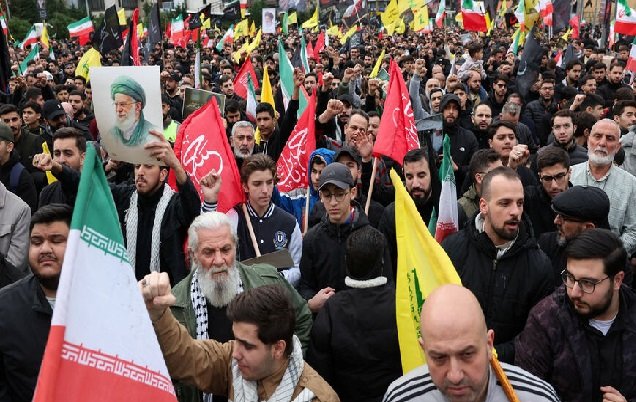 The move, which caught even some top Hezbollah officials off guard, has sharpened splits in Lebanon over Hezbollah’s status as an armed group, a reality that for decades made it Lebanon’s most powerful political player and a regional military force.
Hezbollah, founded by Iran’s Revolutionary Guards in 1982, launched rockets and drones into neighboring Israel on Monday to avenge the killing of Iran’s Supreme Leader Ali Khamenei.
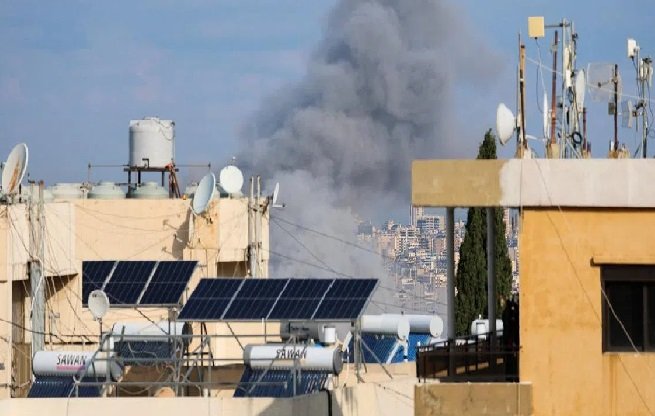
The attack drew swift Israeli retaliation in which dozens of Lebanese were killed and tens of thousands displaced, just 15 months after a previous war in which Israel wrought devastation on Lebanon that deepened its already severe economic crisis.
The turmoil revived a perennial criticism of Hezbollah among some Lebanese that the group, for decades better armed than Lebanon’s army, acts as a “state-within-a-state” that repeatedly plunges the country into conflict by fighting with Israel.
The group’s attack even strained ties with Parliament Speaker Nabih Berri, a Shi’ite politician who has moved in political lockstep with the group for decades, four Lebanese sources familiar with the rift said.
Berri’s view reflects wider frustration in Hezbollah’s core Shi’ite constituency over the attack, according to interviews with more than a dozen Shi’ite Lebanese, including Hezbollah loyalists.
Facing criticism in Lebanon that it had put Iran’s interests first, senior Hezbollah politician Mahmoud Qmati on Tuesday told Lebanese broadcaster Al-Jadeed that the group’s “political and military decisions are Lebanese” but top Hezbollah political officials had not been briefed on the intent to attack, according to two Lebanese political figures close to the group and a senior Lebanese security official, all of whom spoke on condition of anonymity.
 They said the group’s top decision-making bodies, the Shura Council and Jihad Council, had agreed on the move but had not told most of the party’s political leaders, leaving them “in a state of confusion” on Monday.
Asked about internal divisions that left officials in the dark, Qmati said Hezbollah was operating with “the highest degree of unity.”
The attack also cracked open a fault-line between Hezbollah and Berri, who heads the Shi’ite Muslim Amal Movement and whose alliance with Hezbollah had created a powerful duopoly over Shi’ite representation in Lebanon’s multi-sectarian system.
Berri has long been a key interlocutor with Hezbollah, negotiating with other actors on its behalf, including to secure the 2024 ceasefire that ended the last war with Israel. In the week before Israeli and US strikes on Iran, Berri had received “assurances” from Hezbollah that it did not aim to launch a war with Israel or retaliate against Israel for its attacks on Iran, said the two Lebanese political figures and two other Lebanese political sources familiar with Berri’s position.
Reassured, he passed on the messages to top Lebanese officials including President Joseph Aoun.
After the group’s attack, Berri was upset with Hezbollah and felt he had been “fooled,” the four political figures said.
In a Lebanese cabinet session on Monday, Amal-affiliated ministers did not vote against a decree that outlawed Hezbollah’s military activities. A fifth Lebanese political figure close to Hezbollah said Berri felt he could not confront widespread pressure to isolate the group. (Int’l News Desk)