 Pressmediaofindia
Related Articles



05-03-2026
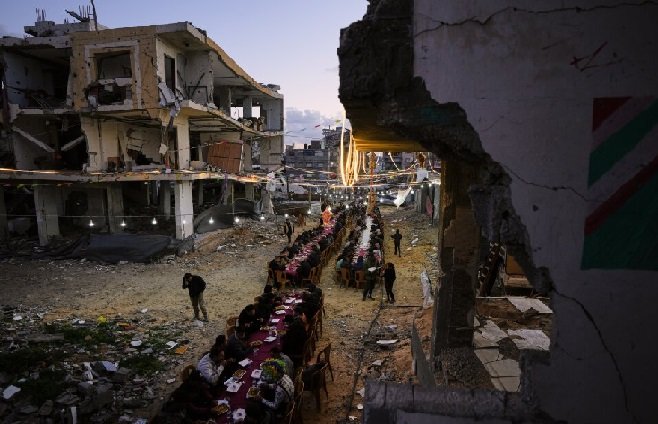
GAZA STRIP: When Hani Abu Issa headed to the Deir el-Balah market on Saturday morning, he was not carrying a long shopping list. He had only intended to buy ingredients for his family’s Ramadan iftar meal, nothing more but the sight of crowds gathered in front of grocery shops caught him by surprise and prompted him to ask what was happening.
 A passer-by told him that Israel had struck Iran and war had broken out.
Hani was shocked as he watched people around him leaving one after another, carrying sacks of flour on their shoulders, and buying whatever food supplies and goods they could manage.
That was how the first hours of the military confrontation between Israel, joined by the United States, and Iran unfolded in Gaza.
The scene in the enclave changed completely as people everywhere rushed to the market to buy sugar, flour, cooking oil and yeast.
Shelves began to empty, and the price of essential goods increased.
A father of five children, 51-year-old Hani told media that he believes the Israel-US war with Iran “will not directly affect Gaza” but he admits that people in Gaza are no longer able to react calmly to any military development in the region.
“People have become afraid of everything. Since the morning, everyone rushed to the markets to stockpile, and that led to shortages of many goods and rising prices,” he said, while standing in front of food stalls in the Deir el-Balah market, in central Gaza.
Anxiety among residents intensified after COGAT, the Israeli body managing the Palestinian territory, released a statement on its Facebook page on Saturday evening announcing the closure of crossings leading to Gaza and the occupied West Bank “until further notice”, in light of security developments related to the war with Iran.
 Hani said the possibility of crossings remaining closed deeply worried him.
“Flour, sugar, cooking oil, and yeast… those were the first things to disappear from the market because of the heavy demand,” he said.
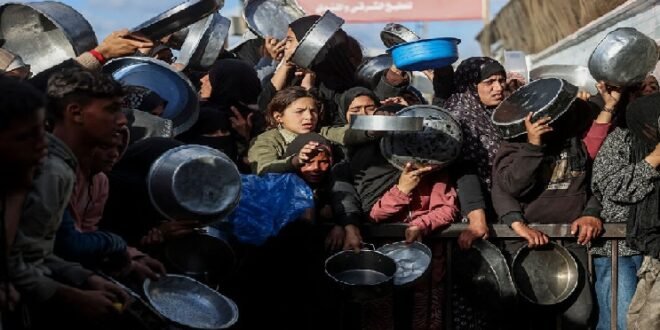
“I lived through famine [during Israel’s genocidal war on Gaza] like everyone else. The worst days were when I had to buy a sack of flour for more than 1,000 shekels [$319]. I don’t want to relive that experience.”
He said that stockpiling while the crossings remained closed was not a viable solution.
“Goods run out quickly, and the conditions we live in may spoil whatever we store. All we need is for someone to reassure us that the closure of the crossings will not last. “For someone to tell us that we will not be affected.”
Local sources reported that the crossing closures were linked to the Jewish holiday of Purim, which created confusion over how long they would last.
“We cannot be certain or confirm anything. Israel’s word cannot be relied upon, and no specific duration was given,” Hani added in frustration.
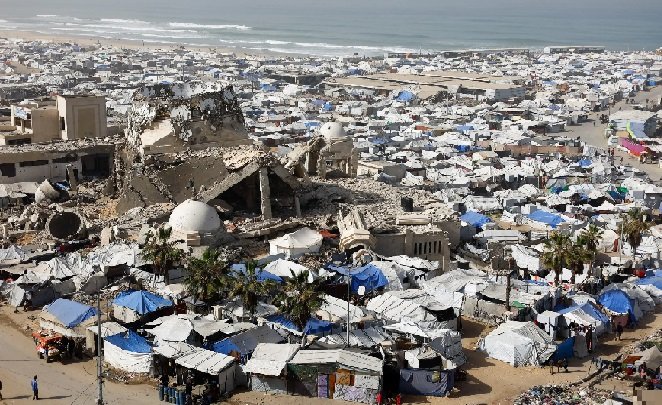
“Gaza has not recovered from two years of war and famine. All I think about now is traveling and leaving with my two daughters to live in another country. That is enough.”
At around the same time last year, during Ramadan last March, Palestinians in Gaza endured one of the harshest phases of the war after crossings were closed and goods were prevented from entering for extended periods, leading to shortages of food supplies and price hikes that resulted in the spread of famine.
Israel’s policy of starvation at the time faced widespread condemnation. Markets turned into empty spaces, flour prices soared to record highs, and people died due to severe malnutrition. (Int’l News Desk)